
Last updated September 22, 2026
Level 1 sweep and inspection to the NFPA 211 annual standard - flue, crown, cap, and flashing checked and photographed
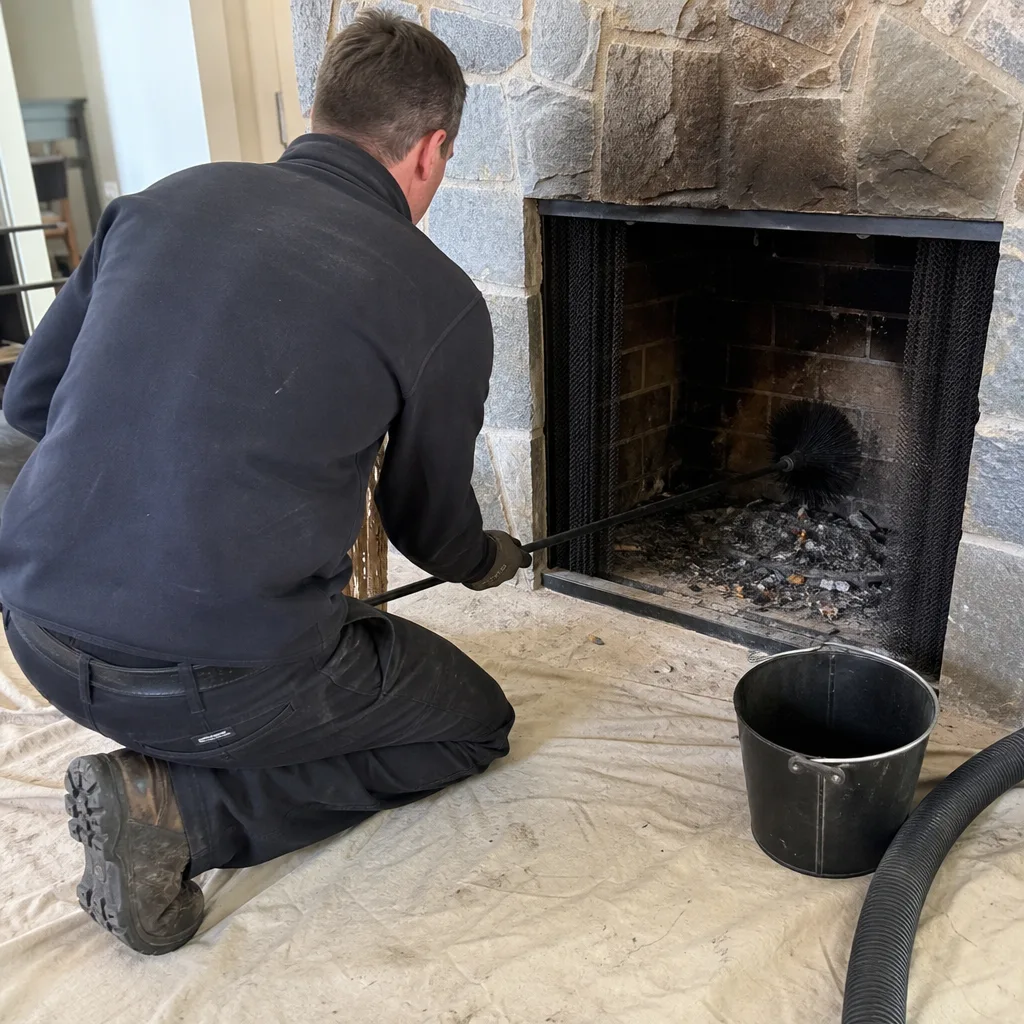
Chimney sweep logs do not sweep chimneys. They loosen some creosote - which then falls where a brush and vacuum still have to collect it.
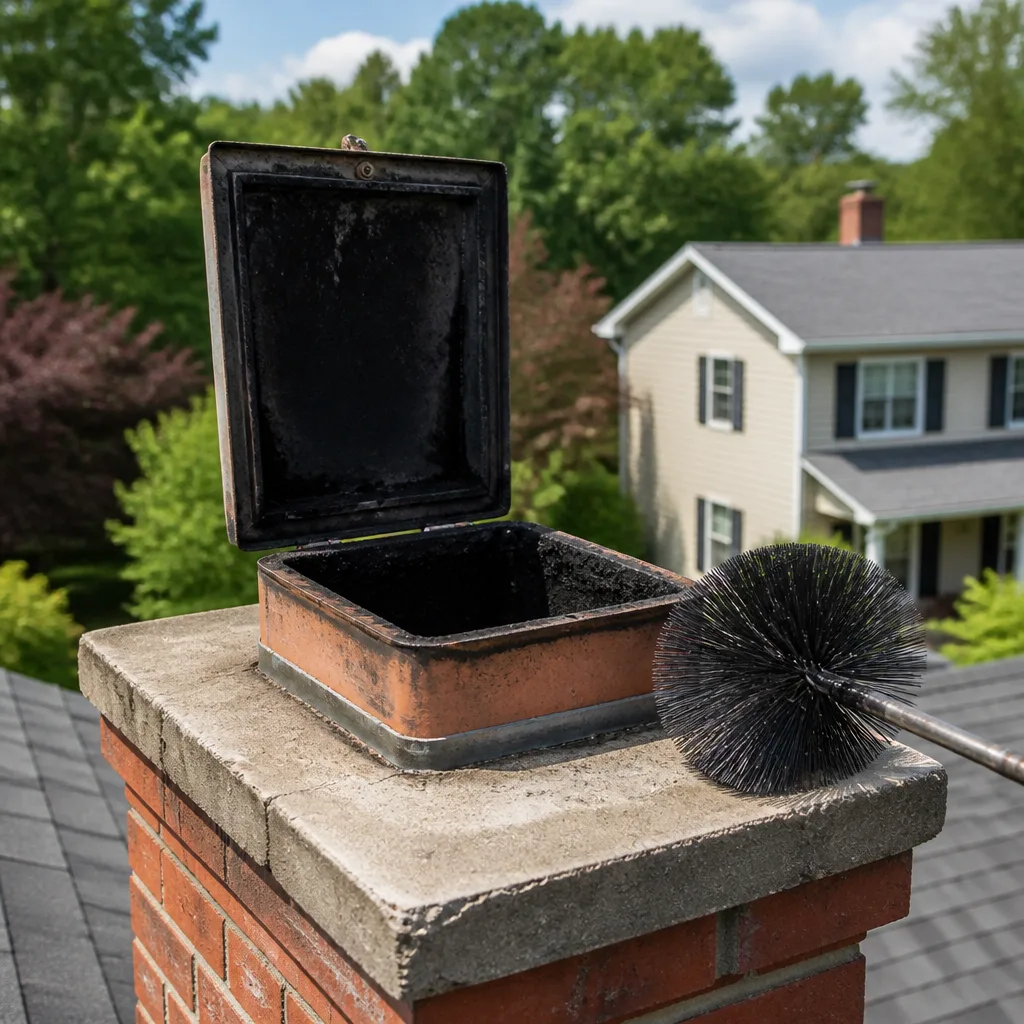
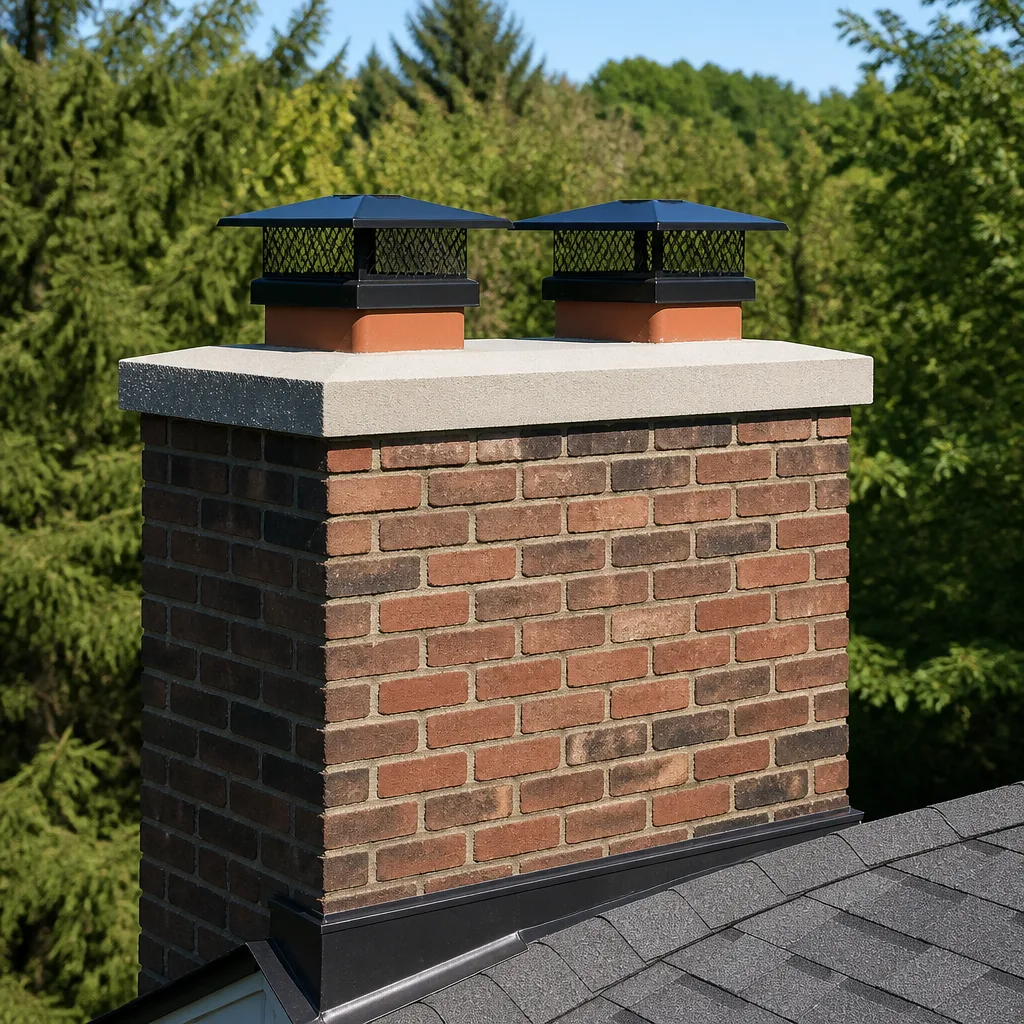
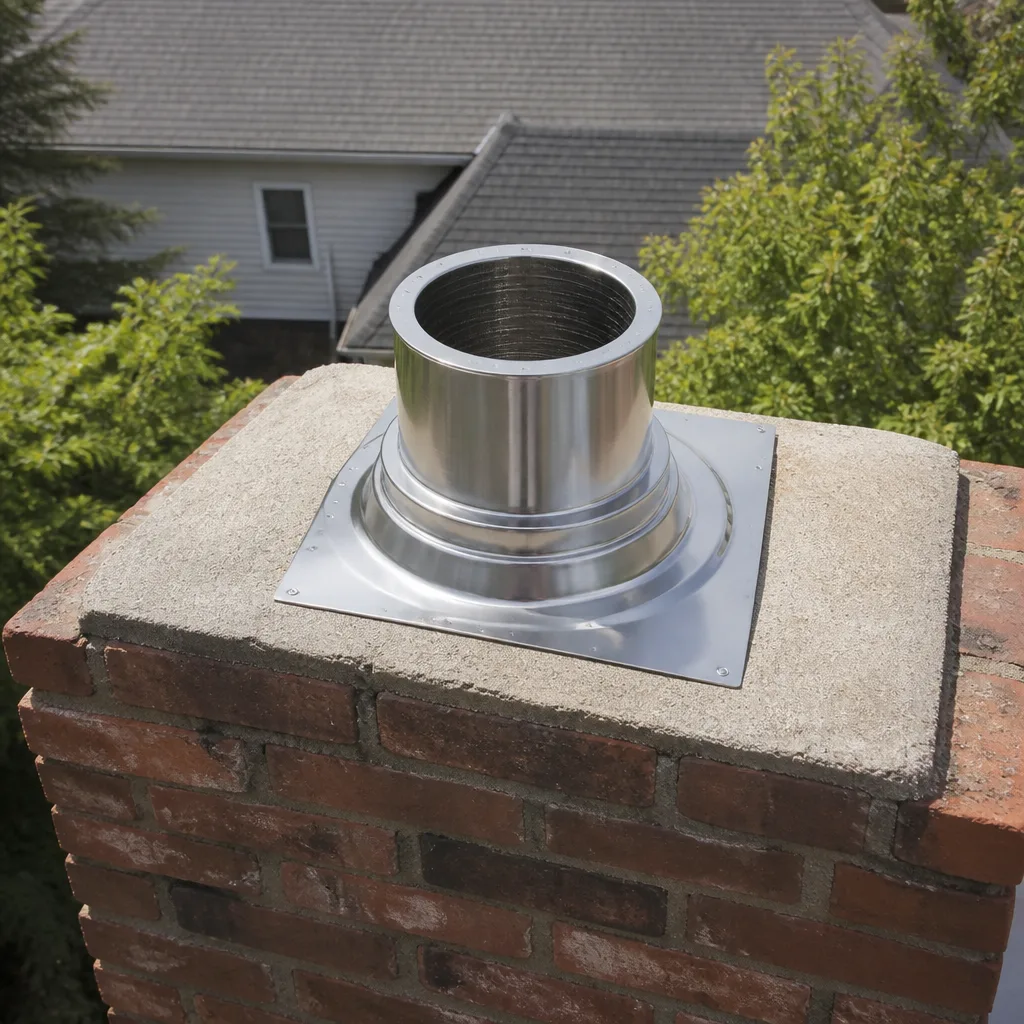
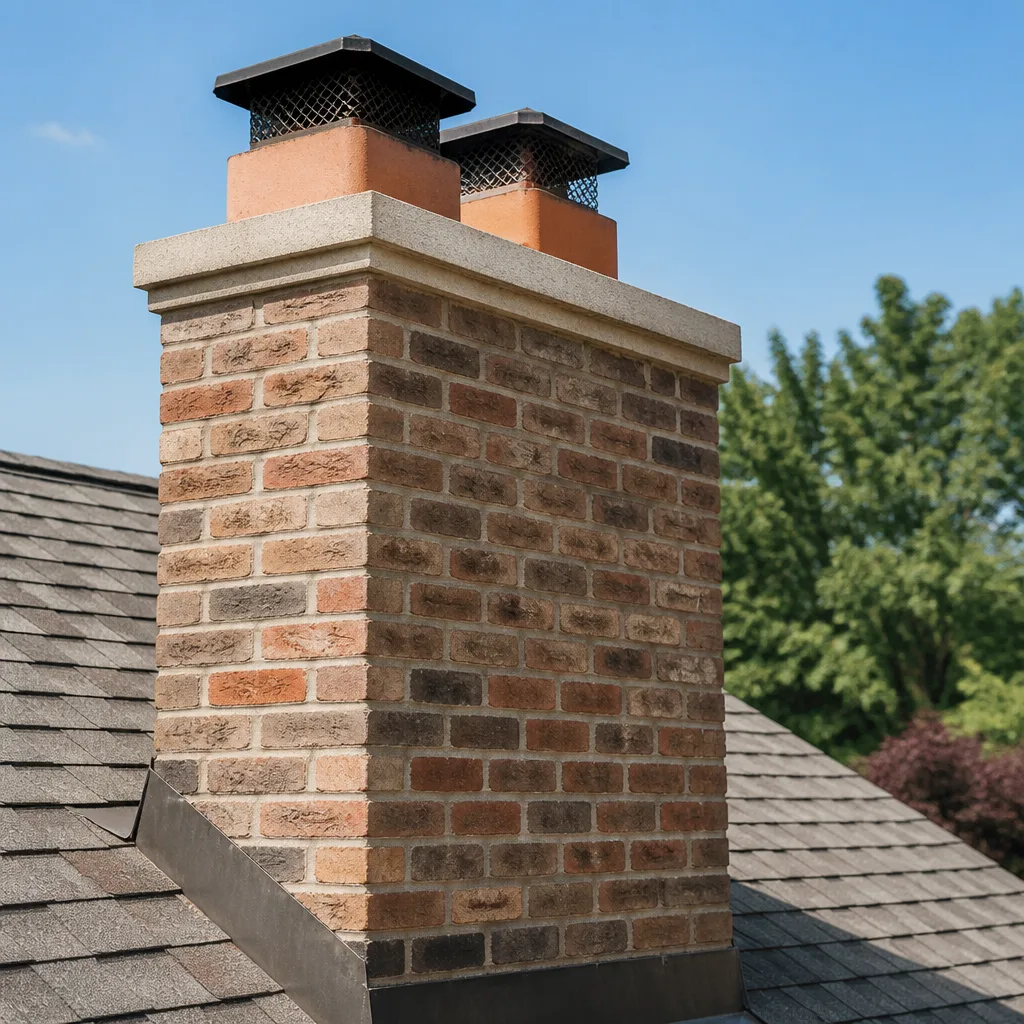
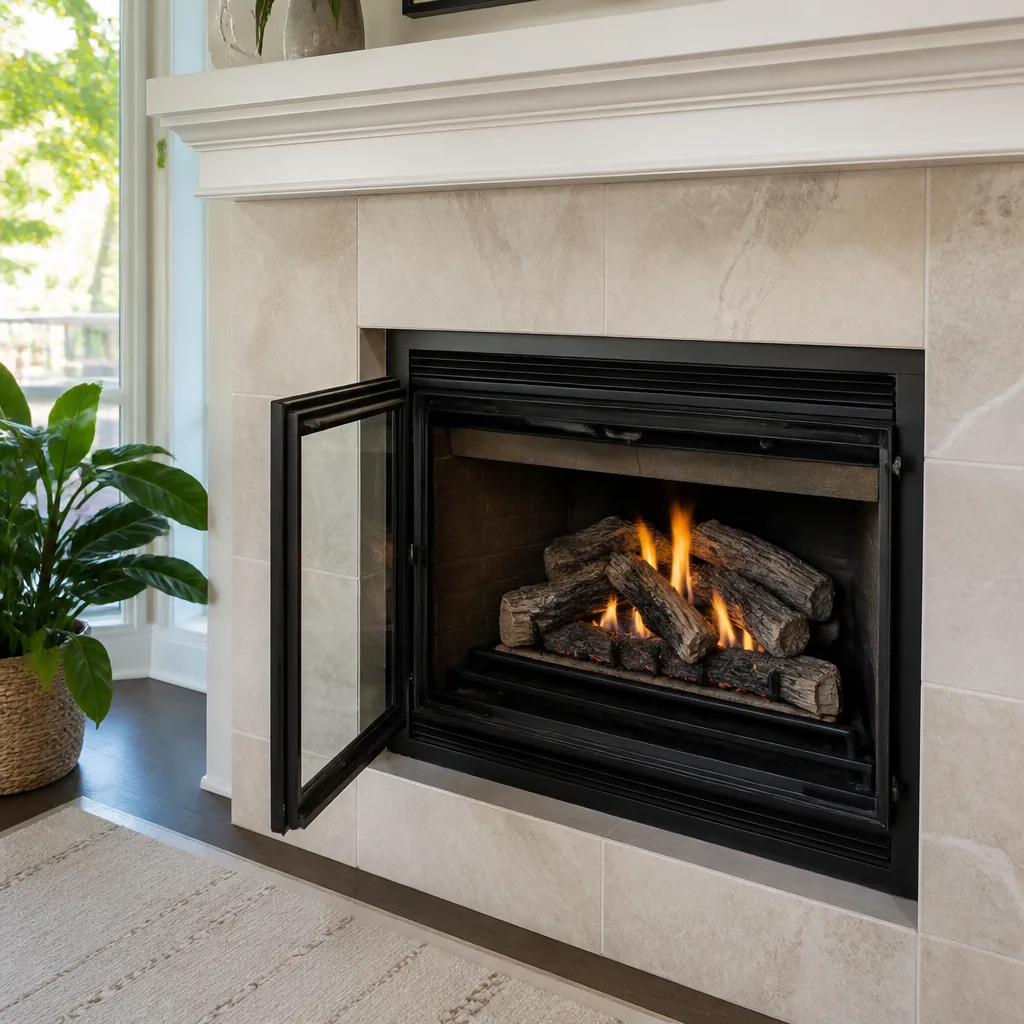
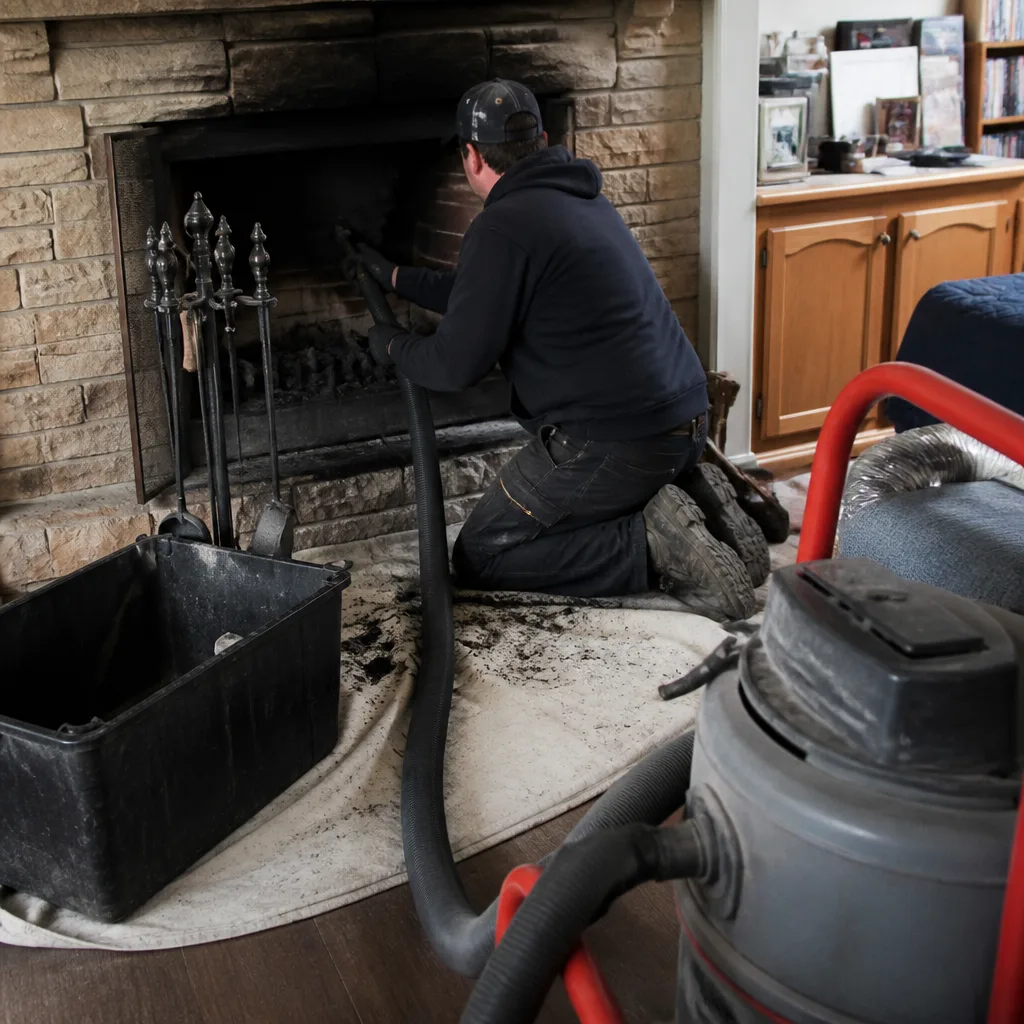 Before
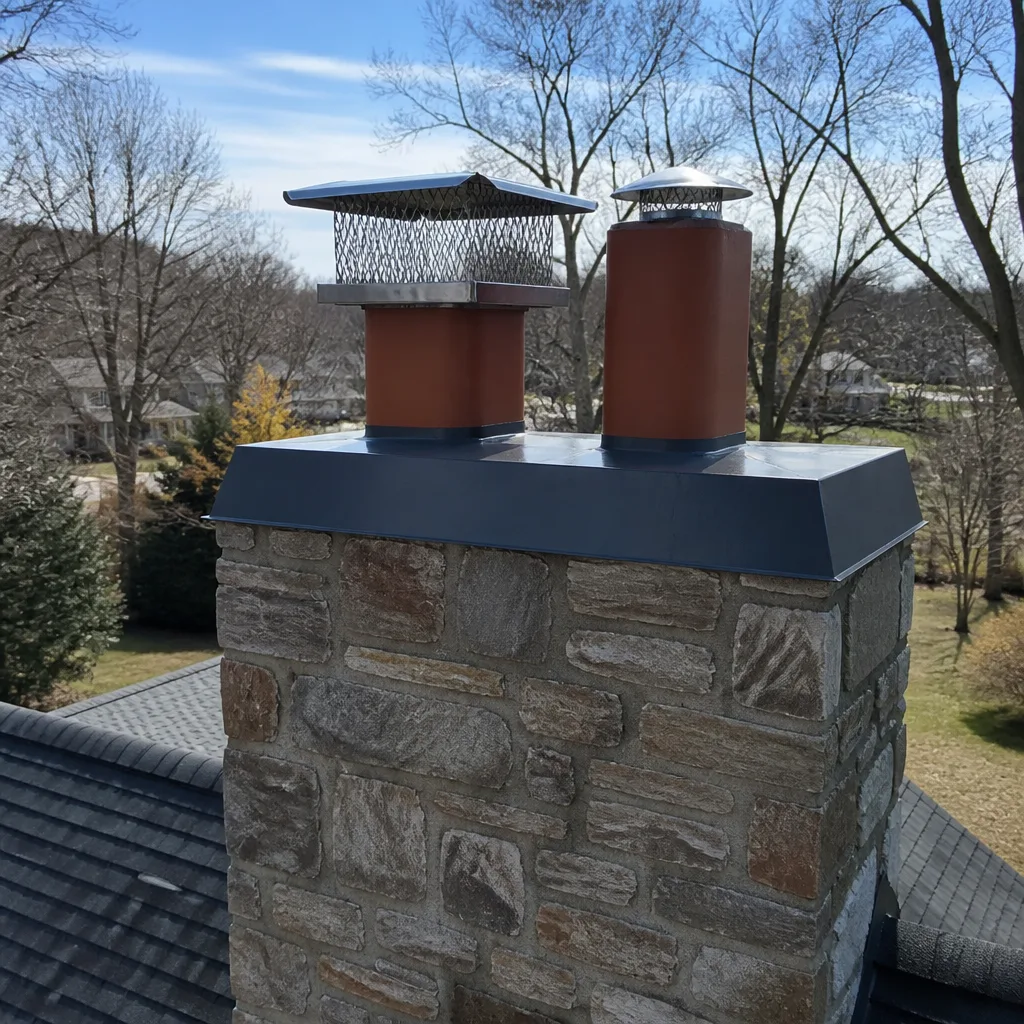 After
After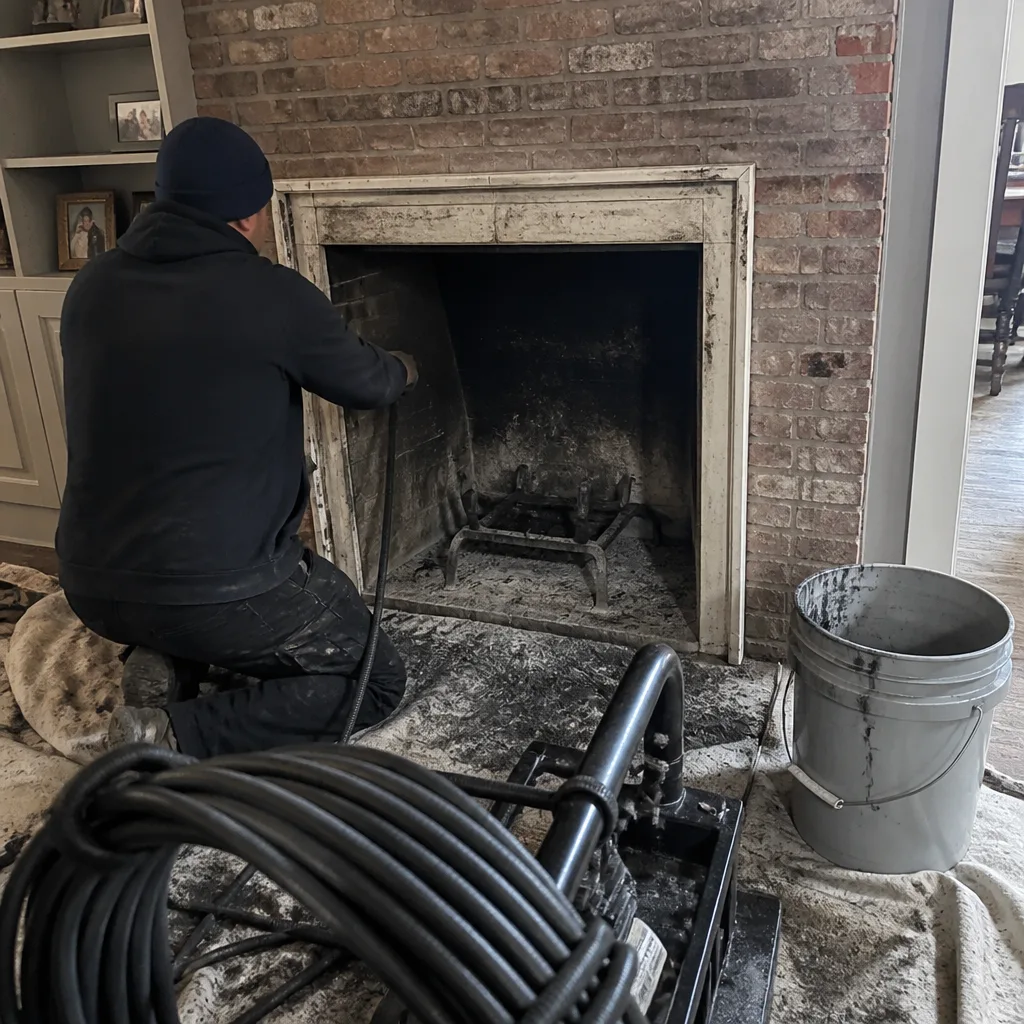 Before
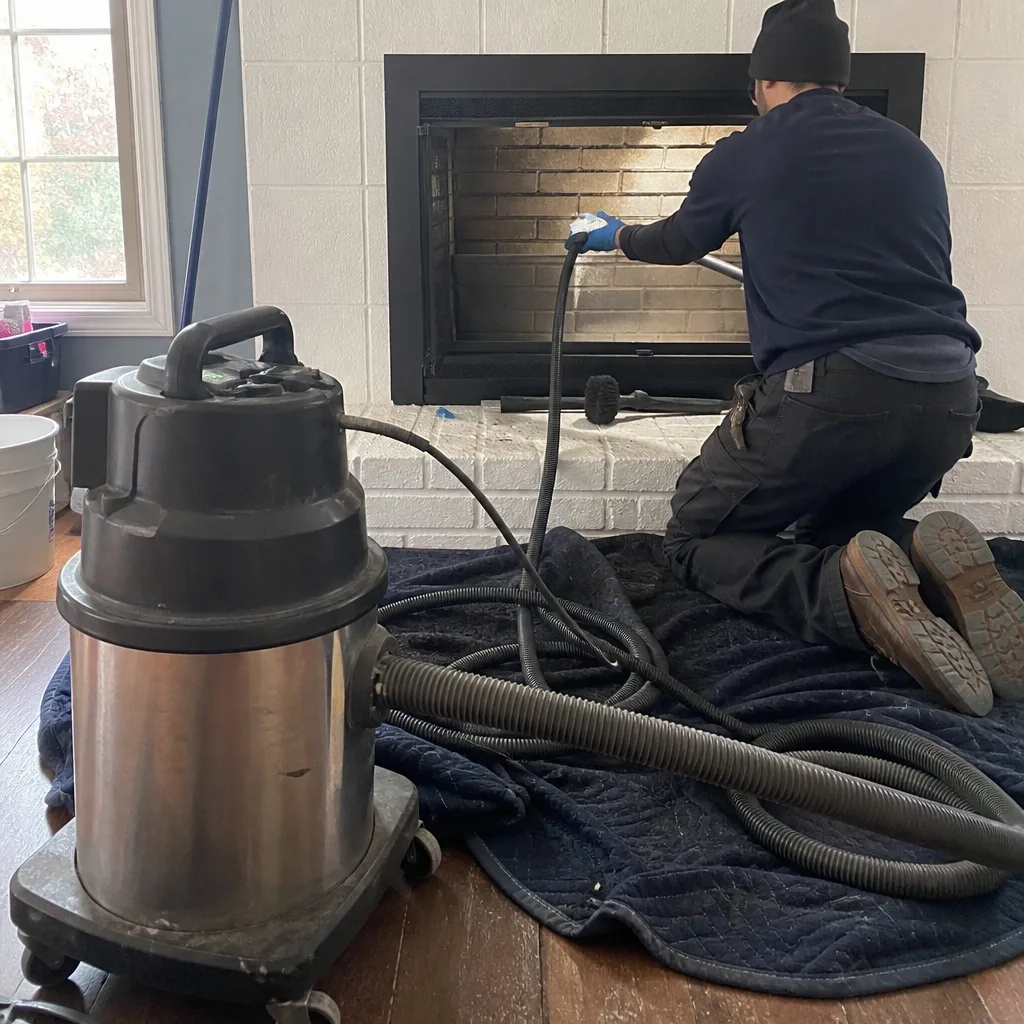 After
After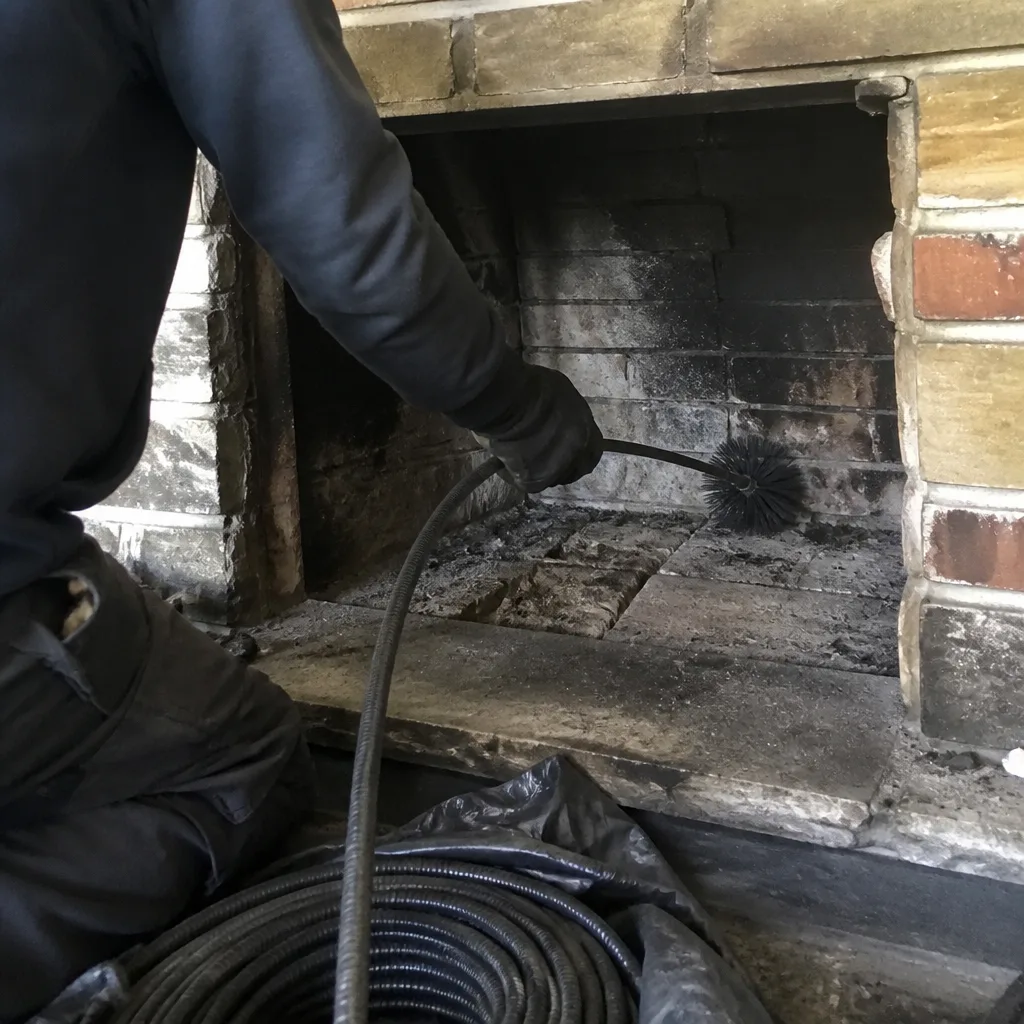 Before
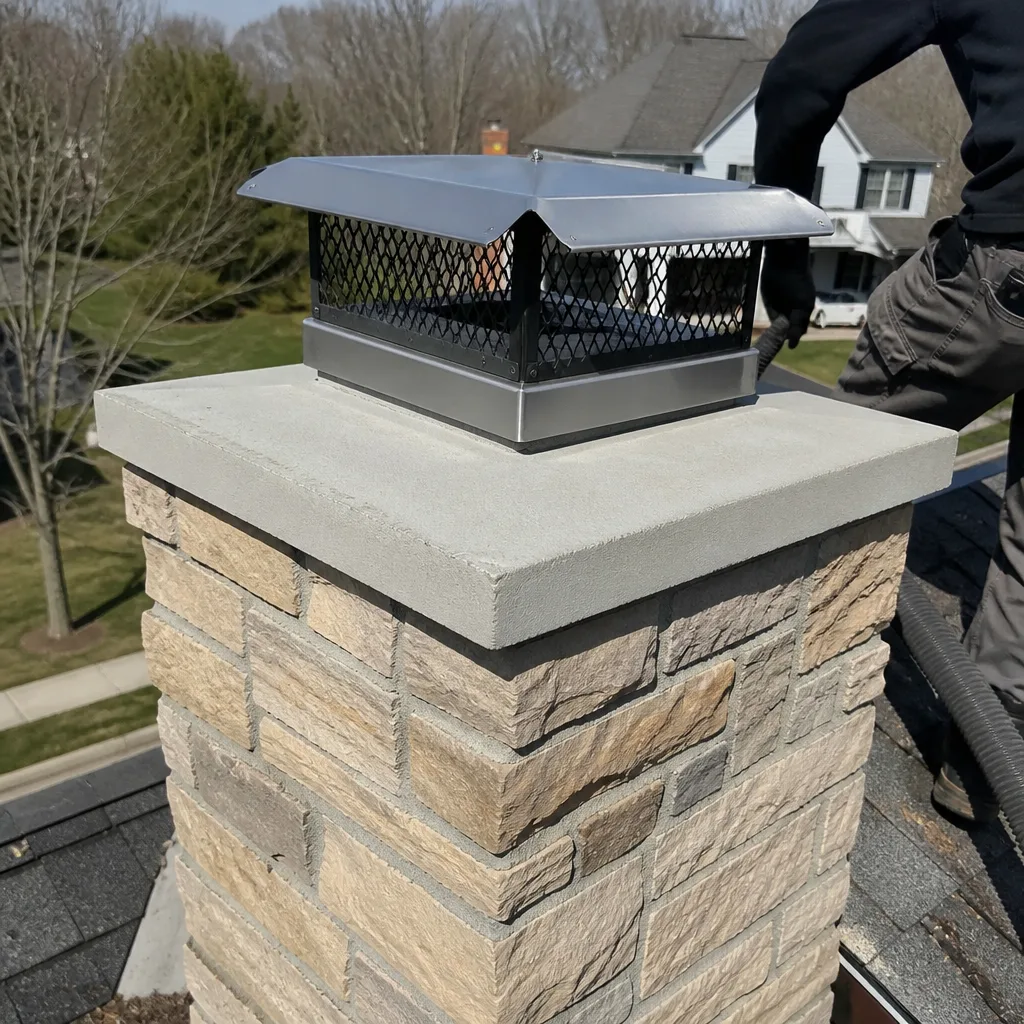 After
AfterHow to Hire a Chimney Cleaning Contractor in Downingtown: A Step-by-Step Guide
Pennsylvania does not require chimney sweeps to hold a state license. Any company can legally offer “chimney inspection” services in Downingtown with no camera, no training, and no written report. We’ve been called to homes in the West End where a $49 “sweep special” left the homeowner with a cracked flue liner that went unreported until water started coming through the ceiling. This guide gives you five questions that separate documented professionals from companies that own a brush and a van. You’ll learn how to read a quote, spot red flags specific to Chester County door-knockers, and verify that the work was actually done. For more guides & resources on protecting your home, see our blog.
Quick Answer
Hiring a chimney cleaning contractor in Downingtown starts with asking five questions: Do you use a camera on every inspection? Do you put the price in writing before work starts? What does your warranty cover and who signs it? Can you show proof of insurance? Are your technicians CSIA or NFI certified? A legitimate contractor answers all five without hesitation. Anyone who dodges, discounts, or demands a cash deposit before showing you what they found is a company to avoid.
Table of Contents
- The Licensing Gap in Pennsylvania
- Five Questions to Ask Before You Book
- How to Read a Chimney Company’s Quote
- Red Flags: Door-Knockers and Coupon Companies in Chester County
- What a Written Warranty Should Actually Say
- How to Verify the Work After the Job
- Downingtown-Specific Considerations
- Common Mistakes to Avoid
- When to Call a Professional
- Frequently Asked Questions
- The Bottom Line
 Before
 After
AfterThe Licensing Gap in Pennsylvania
Most homeowners in Downingtown assume the state checks who’s climbing their roof. It doesn’t.
Pennsylvania has no state-level license for chimney sweeps. A contractor needs a general business registration and liability insurance to operate legally, but nothing specific to chimney work. No agency verifies that the person running a brush up your flue knows the difference between Class I creosote (sooty, brushable) and Class III creosote (glazed, requires chemical treatment). No inspector confirms they own a chimney camera, or that they’ve ever used one.
This matters in Downingtown more than in some markets because of the housing stock. The borough and surrounding Chester County have thousands of homes built between 1985 and 2010 with factory-built fireplaces, many installed with galvanized chase covers that rust through in 12-15 years given our freeze-thaw cycles and the wet springs along the East Branch Brandywine watershed. A sweep who doesn’t camera-scan the flue, smoke chamber, and firebox will miss the gap between chimney sections that’s letting water run down the chase. You’ll find out when the framing rots.
The National Fire Protection Association (NFPA) publishes Standard 211, which defines three levels of chimney inspection. Level 1 is a visual check of accessible areas. Level 2 requires a camera scan of the flue interior and inspection of attics, crawl spaces, and basements where the chimney passes through. Level 3 involves demolition of building materials to access concealed areas. In our experience, any sweep who recommends work beyond a basic cleaning without performing at least a Level 2 inspection is guessing. We made camera-scan documentation the default on every job in 2009, years before insurers or regulators asked for it. That practice became Clause 4 of the Haven Standard.
What this means for you: the burden of vetting falls entirely on the homeowner. The questions below are your protection.
Five Questions to Ask Before You Book
These five questions filter out the majority of substandard operators in the Downingtown market. Ask them in this order. Write down the answers.
1. Do you camera-scan the flue on every inspection?
A legitimate contractor says yes, describes the camera model, and offers to show you the footage. A dodgy contractor says “we only camera if we see a problem” or “that’s extra.” Here’s why that’s wrong: you can’t see a cracked flue liner, missing mortar joint, or bird nest obstruction from the firebox opening with a flashlight. The camera goes up the flue or the inspection doesn’t count.
Ask specifically: “Will I receive a photo or video record of the flue interior?” At Level Two Chimney Downingtown, Clause 4 of the Haven Standard requires a documented photo record on every visit, included as standard, not an optional add-on. You should walk away with images you can show another contractor, your insurer, or your home inspector at resale.
2. Do you put the price in writing before any work starts?
Verbal estimates are worthless. A written price, written scope, and written warranty delivered before anyone starts work is the minimum standard. This is Haven Standard Clause 1: H.A.V.E.N. “Have it in writing.” If a technician arrives and starts work, then presents a bill, you’ve lost all leverage. We’ve seen this in homes near Kerr Park where a “free inspection” became a $2,400 pressure sale for a stainless liner the homeowner didn’t need.
The written quote should itemize: the sweep itself, any repairs found during inspection, materials specified by brand or type, and labor hours. A single lump sum with no line items is a red flag we’ll discuss below.
3. What does your warranty cover, who signs it, and how long does it run?
Verbal promises evaporate. A warranty should be on paper, specify duration, list what’s covered (materials, labor, or both), name the company entity responsible, and be signed by an authorized representative. “We stand behind our work” is not a warranty. Neither is a business card with “lifetime guarantee” stamped on it.
Our 365-Day Done Right Promise is stamped on every job: if it’s not done right, we make it right. The scope, the warranty, and the price all appear on the same document before work begins.
4. Can you show proof of general liability and workers compensation insurance?
Ask for a certificate of insurance (COI) naming your property address. This is standard in construction trades. If a technician falls off your roof in Downingtown and the company lacks workers comp, your homeowner’s policy may be the primary payer. General liability protects you if they damage your roof, gutters, or interior. A legitimate contractor produces this without complaint.
5. Are your technicians CSIA Certified or NFI Certified?
The Chimney Safety Institute of America (CSIA) and National Fireplace Institute (NFI) are the two recognized credentialing bodies. CSIA certification requires passing an exam on NFPA 211, fire codes, and chimney physics, plus continuing education every three years. NFI certifies by appliance type: gas, wood, or pellet. Neither is legally required in Pennsylvania, which is exactly why you should ask.
A company that invests in technician certification invests in doing the work correctly. Background-checked, uniformed technicians with license information displayed on every page, a named tech assigned, and a text when they are on the way, that’s what we deliver under H.A.V.E.N. “Arrive on schedule” and “Verified crews.”
How to Read a Chimney Company’s Quote
The structure of a quote tells you more than the bottom line. Here’s how to read one, and what to demand if the format is wrong. See our Chimney Cleaning Cost Breakdown: The Downingtown Homeowner’s Reference for 2026 for detailed pricing guidance.
Line-Item Scope vs. Lump Sum
A legitimate quote breaks out each component:
- Chimney sweep and Level 2 inspection: $XXX
- Firebox refractory panel replacement (if needed): $XXX per panel
- Stainless steel chimney cap, Gelco or equivalent: $XXX installed
- Crown repair with HeatShield CrownCoat: $XXX
- Flue liner evaluation and documentation: included in inspection
A lump sum quote, say “$1,850 for everything,” with no itemization, almost always means the contractor performed a flashlight inspection and doesn’t know what they found. They priced high to cover their uncertainty, or low to get the job and upsell later. In either case, you have no basis to compare quotes or to verify that work was performed.
Demand line items. If a contractor refuses, that’s your answer.
Materials Should Be Named
The quote should specify brands or product types for any materials installed. We source through Haven’s buying network from DuraFlex, HeatShield, Gelco, Olympia Chimney, Famco, and Copperfield specifically to keep customer prices honest. Generic “stainless liner” or “chimney cap” leaves room for the cheapest import that meets no standard.
Labor vs. Materials Separation
Separating labor and materials lets you verify fair pricing and protects you if materials are defective. If a liner fails and the quote blended labor and materials, the contractor can claim the “warranty” only covers the part, not the labor to remove and replace it.
What Our Quotes Look Like
Every Level Two Chimney Downingtown quote includes: a written price, written scope, written warranty, and documented photo record. Nothing is recommended without camera evidence the homeowner can see. If work can safely wait, we say so plainly. We’ve told homeowners in the Bradford Hills area that their clay liner had minor spalling but would last another two seasons with monitoring. That honesty costs us a sale and earns us a call back when the work is actually needed.
Red Flags: Door-Knockers and Coupon Companies in Chester County
Certain business models are structurally incentivized to find problems that don’t exist. Learn to spot them.
The Door-Knocker Model
A crew canvasses neighborhoods, often after storms or in early fall, offering “free chimney inspections.” They target areas with mature trees and older housing stock, which describes much of Downingtown and the surrounding townships. The inspection finds “dangerous creosote buildup” or “a cracked crown that could collapse.” The price starts high, then drops when you hesitate, then drops again. This is not negotiation; it’s a scripted sales process.
Specific red flags:
- They arrived uninvited and won’t leave a written quote for comparison
- They claim your homeowner’s insurance requires immediate work (call your insurer; they don’t)
- They show you a photo of someone else’s chimney and claim it’s yours
- They offer a “today only” price that requires immediate cash or check
- They park an unmarked van or out-of-state truck
We’ve been called to homes near Marsh Creek State Park where a door-knocker claimed a stainless liner was mandatory for insurance. The homeowner’s actual insurer required only a Level 2 inspection with documentation, which we provided for a fraction of the quoted price.
The Coupon Model
$49 sweep specials, $99 inspection deals, Groupon offers. The economics don’t work. A proper chimney sweep with a Level 2 camera inspection takes 60-90 minutes for a standard fireplace, longer for complex systems. At $49, the company loses money on the visit unless they find additional billable work. This creates enormous pressure to manufacture problems.
The coupon special often excludes “heavy creosote” or “access issues,” which are defined only after the technician arrives. The $49 becomes $289, then $1,400 for “necessary” repairs. We’ve cleaned up after these operations in neighborhoods from the West End to the developments along Route 322.
The “Chimney Sweep Union” or Fake Association
Some companies invent membership organizations with official-sounding names. Verify any claimed affiliation. CSIA and NFI maintain public directories of certified professionals. If the name doesn’t appear there, it doesn’t count.
What a Written Warranty Should Actually Say
A warranty is a contract. Like any contract, its value depends on its specificity.
Duration
The warranty should state a clear term: one year, five years, lifetime. “Lifetime” should define whose lifetime (yours, the company’s, the product’s) and what triggers termination. Be skeptical of lifetime warranties from companies that have operated for three years.
Coverage Scope
Does the warranty cover materials, labor, or both? If a stainless liner fails, who pays to remove the old one and install the replacement? If the crown repair cracks, is the recoat covered or just the original material? The document should say.
Exclusions
Reasonable exclusions exist: damage from chimney fires, homeowner modifications, or failure to maintain the system. But the exclusions should be listed, not buried or omitted.
Responsible Party
The warranty should name the legal entity that honors it. “Bob’s Chimney” may be a DBA for a sole proprietor with no assets, or a franchisee whose agreement expired. Get the company name as registered with the state.
Signature
A warranty without a signature is a marketing piece. It should be signed by an authorized representative and dated.
Our 365-Day Done Right Promise appears on every job sheet, signed by the technician and the homeowner before work begins. If it’s not done right, we make it right. The scope, price, and warranty are one document, not three separate pieces of paper that can be disputed later.
How to Verify the Work After the Job
You paid for a sweep and inspection. How do you know it happened? Here’s what to request and what to look for.
Photos You Should Receive
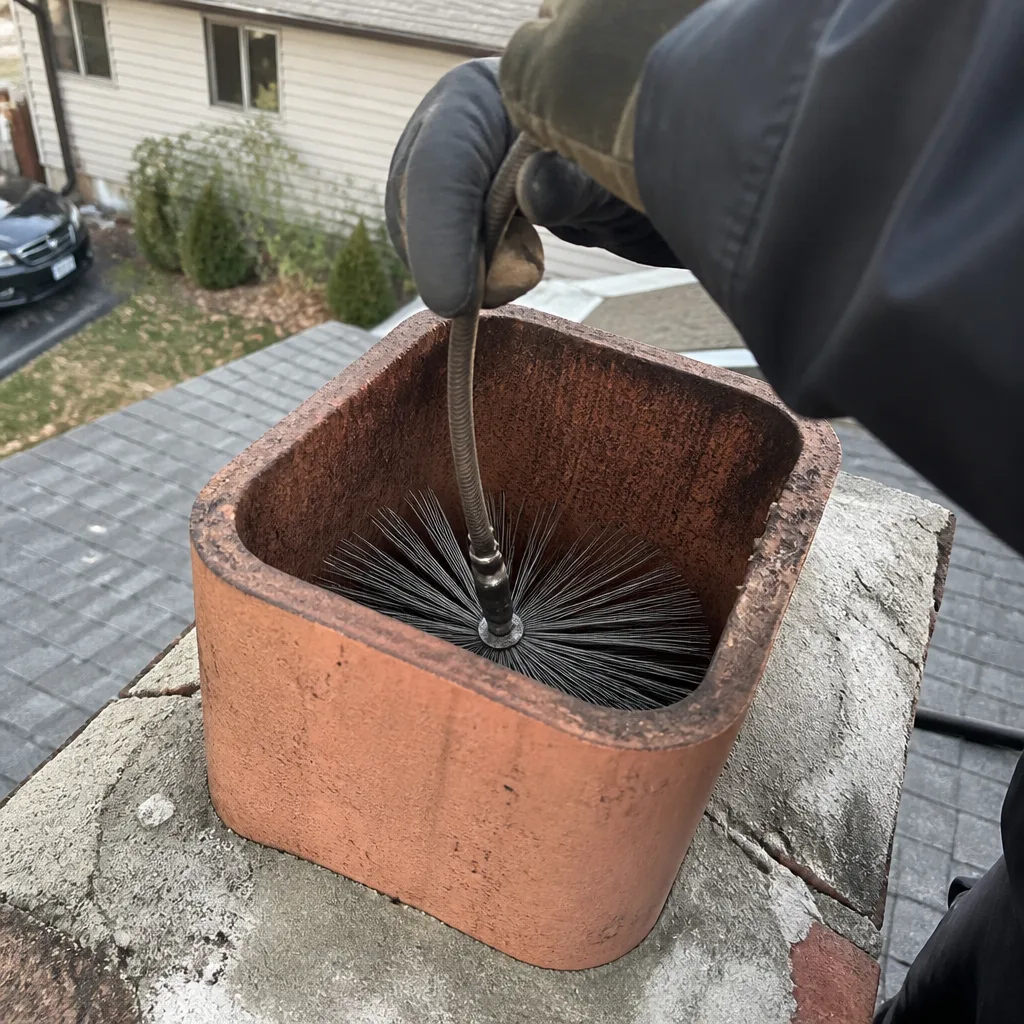
- Before and after flue images: The camera should show creosote buildup before sweeping and clean flue tiles or liner after. If the “after” image looks identical to the “before,” the sweep didn’t happen or didn’t work.
- Smoke chamber and firebox: These areas are visible without a camera but should be documented for condition.
- Crown and cap from the roof: Shows whether the technician actually accessed the roof or worked only from the fireplace opening.
- Any recommended repairs: Cracks, spalling, rust, or gaps should be photographed with a reference object (ruler, coin) for scale.
What the Camera Footage Should Show
A proper chimney camera inspection produces a video record of the entire flue interior, from smoke chamber to crown. The technician narrates findings as the camera ascends. You should see: flue liner condition (clay tiles, stainless steel, or cast-in-place), mortar joint integrity, any offsets or transitions, and the connection to the appliance or smoke chamber.
Static photos alone are insufficient. A video proves the entire flue was inspected, not just the accessible portions.
The Written Record
You should receive: the original quote, any change orders with your signature, the technician’s inspection notes, photo/video documentation, and the warranty document. This is your record for insurance, home sale, or future service. Clause 4 of the Haven Standard requires this documentation on every job, and we’ve maintained this practice since 2009 across more than 38,000 chimney inspections and cleanings.
How to Spot a Faked Report
Generic stock photos pulled from the internet are easy to check. Right-click and search Google Images. Photos with no reference object, no metadata, or inconsistent lighting may not be from your chimney. A video with no audio narration, or with audio that doesn’t match your home’s configuration, is suspect. If the report shows a clay tile flue and you know you have a stainless liner, that’s not your chimney.
Downingtown-Specific Considerations
Local conditions affect chimney performance and contractor selection in ways that don’t apply uniformly.
Climate and Freeze-Thaw
Downingtown sits in the Piedmont zone with cold, wet winters and significant freeze-thaw cycling. Water enters crown cracks or deteriorated mortar in January, freezes overnight, and expands the damage. By March, a hairline crack is a gap. Chimneys in neighborhoods like the West End, with mature shade trees that keep crowns damp, show accelerated spalling compared to open exposures. A sweep who doesn’t inspect the crown from the roof, or doesn’t photograph it, misses the most common source of water intrusion.
Housing Stock Variations
Pre-1940s homes in the borough center often have unlined brick chimneys or clay tile liners in poor condition. Post-1985 developments typically have factory-built metal chimneys with chase structures that fail at the chase cover. The 1990s and 2000s builds along Boot Road and near Downingtown East High School frequently have direct-vent gas fireplaces that still require annual inspection of the vent termination and combustion air intake. A contractor who treats every chimney the same is a contractor who misses conditions.
Local Code and Permit Context
Downingtown Borough and West Bradford Township follow the International Residential Code with Pennsylvania amendments. Wood-burning appliance installations and chimney liner replacements typically require permits. A contractor who says “we don’t need a permit for this” may be cutting corners or may not know the requirement. Ask directly: “Will you pull the permit, or do I need to?” The answer tells you about their compliance practices.
Seasonal Demand Patterns
September through November is peak booking season. The best contractors in Chester County book 2-4 weeks out during this period. A company that can arrive tomorrow in October is either overstaffed (concerning for a seasonal business) or underbooked for a reason. We answer calls with a live person 24 hours a day, 7 days a week, but we don’t promise same-day dispatch. A sweep is booked, and the urgency is seasonal: before burning season, not before dinner.
Common Mistakes to Avoid
- Booking based on lowest price alone. The $49 special costs more than the documented contractor when upsells and missed damage are factored in. We’ve repaired water damage in Bradford Hills homes that a cheap sweep ignored for three years.
- Accepting a verbal estimate. Pennsylvania’s lack of licensing means your only protection is the paper trail. No written quote, no recourse.
- Assuming all “inspections” are equal. A Level 1 visual check and a Level 2 camera scan are different services with different values. Ask which standard the contractor follows.
- Not asking about insurance until after a problem. Request the COI before booking. It takes 30 seconds and protects you from liability.
- Ignoring the warranty details. “Lifetime guarantee” sounds reassuring until you need it and discover it only covers the original material, not labor, and the company that issued it dissolved last year.
- Letting the technician start work before you see the camera footage. If they found something that requires repair, you should see the evidence before authorizing additional work. No exceptions.
- Hiring based on a door-knocker’s urgency. No legitimate contractor needs your signature today to prevent a catastrophe tomorrow. Take 48 hours, get a second opinion. We offer a Free Second Opinion on any written estimate. Bring us a competitor’s written quote.
When to Call a Professional
Call a chimney professional if you notice: smoke backing up into the room, a strong odor from the fireplace in summer, visible cracks in the firebox or exterior masonry, water stains on the ceiling near the chimney, or it’s been more than a year since your last inspection. These symptoms indicate conditions that DIY cleaning won’t resolve and may indicate safety hazards requiring documented evaluation.
Carbon monoxide can leak through a compromised flue liner with no visible warning. Chimney fires often start undetected in the flue interior. The camera inspection is what finds these conditions before they become emergencies.
Chimney Cleaning & Sweep in Downingtown from Level Two Chimney Downingtown includes the NFPA 211 Level 2 inspection with camera documentation on every visit. We also provide Chimney Repair in Downingtown and Fireplace Services in Downingtown for systems that need more than maintenance. Free estimates are available throughout Chester County. Call (484) 558-2798 to schedule.
Frequently Asked Questions
A proper chimney sweep with Level 2 camera inspection in Downingtown typically runs $200-$350 for a standard fireplace system. Factory-built fireplaces, multiple flues, or systems with significant creosote buildup may cost more. The price should be quoted in writing before work begins, with no hidden fees for “heavy” creosote or access issues. Call (484) 558-2798 for an exact quote - estimates are free.
You need a new liner if the existing one is cracked, deteriorated, or improperly sized for the appliance it serves. A cracked clay tile liner can allow combustion gases, including carbon monoxide, to enter living spaces. A stainless steel liner is the standard replacement for wood-burning systems. We don’t recommend liner replacement without camera evidence you can see yourself, and we’ll tell you plainly if the existing liner has remaining service life. Bring us a competitor’s written quote for a Free Second Opinion.
The NFPA recommends annual inspection for all chimney systems, with cleaning frequency based on use and creosote accumulation. In Downingtown, where many homeowners burn seasoned hardwood from late October through March, annual sweeping is typical for active fireplaces. Gas systems require annual inspection of the vent termination and combustion air intake but may not need sweeping if no debris has entered. The camera inspection determines whether cleaning is needed, not the calendar.
Skipped maintenance leads to creosote accumulation, which increases fire risk, and undetected liner or crown damage, which allows water intrusion and carbon monoxide leakage. In Downingtown’s freeze-thaw climate, small crown cracks become major water entry points within one or two winters. The cost of deferred maintenance typically exceeds the cost of annual inspection and cleaning by a factor of five to ten. Call (484) 558-2798 to schedule before burning season.
Ask the five questions in this guide: camera policy, written price policy, warranty terms, proof of insurance, and CSIA or NFI certification. Pennsylvania has no state license for chimney sweeps, so these questions are your only protection. A legitimate contractor answers directly and provides documentation. Anyone who deflects, rushes, or pressures you is not operating to professional standards.
A chimney sweep removes creosote, debris, and obstructions from the flue and firebox. A chimney inspection evaluates the system’s condition for safe operation. They are related but distinct services. A proper visit includes both: the sweep for maintenance, the camera inspection for condition documentation. Be wary of companies that offer “inspection only” without cleaning, as they may be positioning for repair upsells, or “sweep only” without inspection, as they may miss critical safety conditions.
The Bottom Line
Hiring a chimney contractor in Downingtown requires active vetting because Pennsylvania doesn’t do it for you. The five questions, camera documentation, written pricing, and warranty specificity separate professionals from operators. Line-item quotes, verified credentials, and post-job photo records protect your investment and your safety. The cheapest quote is rarely the least expensive over time. A documented inspection from a contractor who puts everything in writing before work starts costs more upfront and saves substantially on deferred damage, unnecessary repairs, and peace of mind you can verify.
Written by Corrine Halstead, Owner at Level Two Chimney Downingtown, serving Downingtown since 2009.