
Last updated September 22, 2026
Level 1 sweep and inspection to the NFPA 211 annual standard - flue, crown, cap, and flashing checked and photographed
Chimney sweep logs do not sweep chimneys. They loosen some creosote - which then falls where a brush and vacuum still have to collect it.
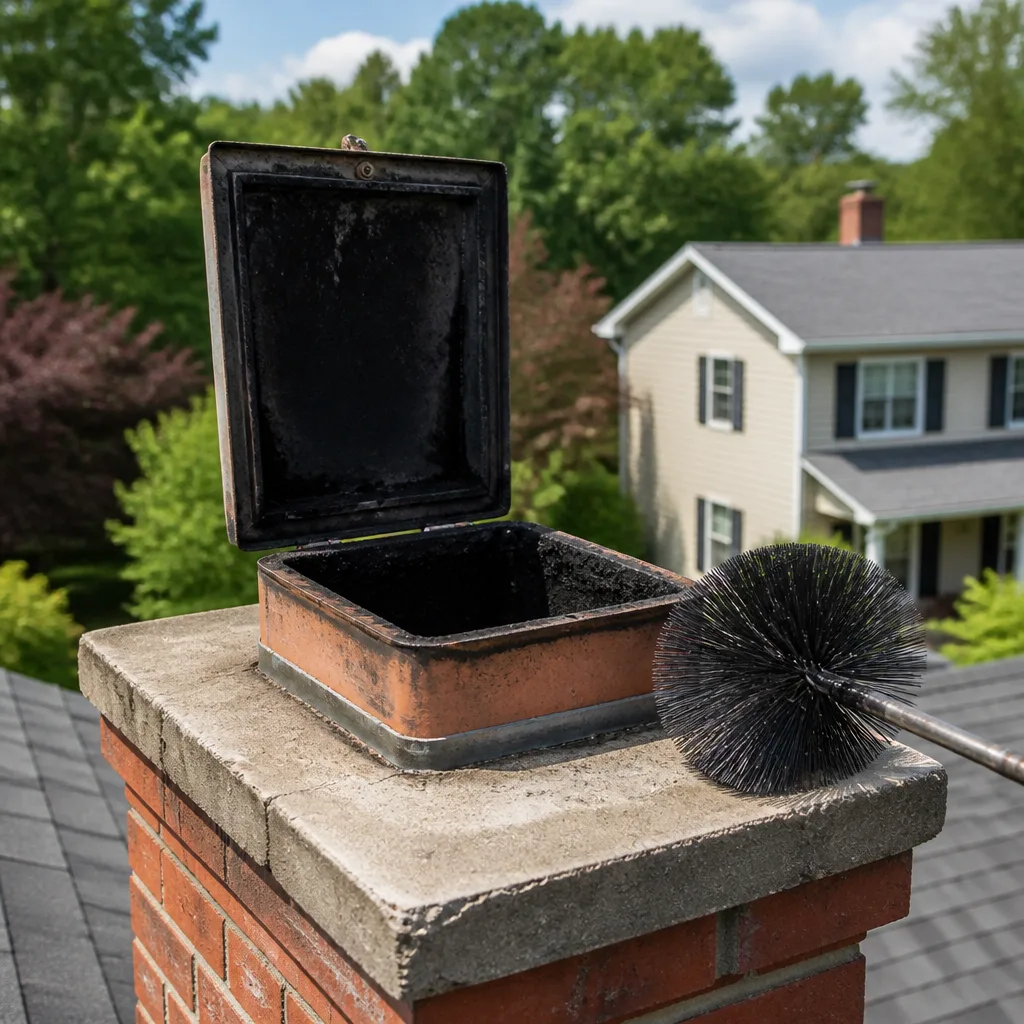
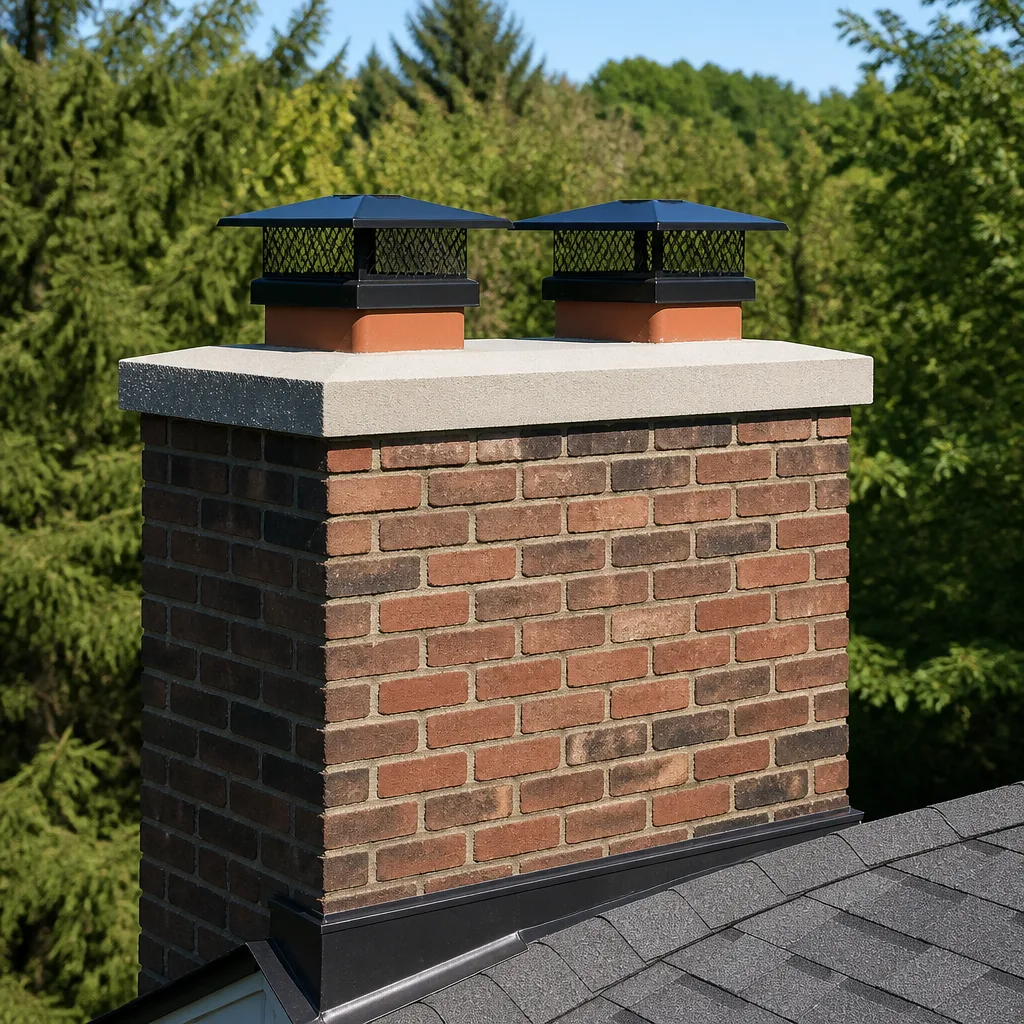
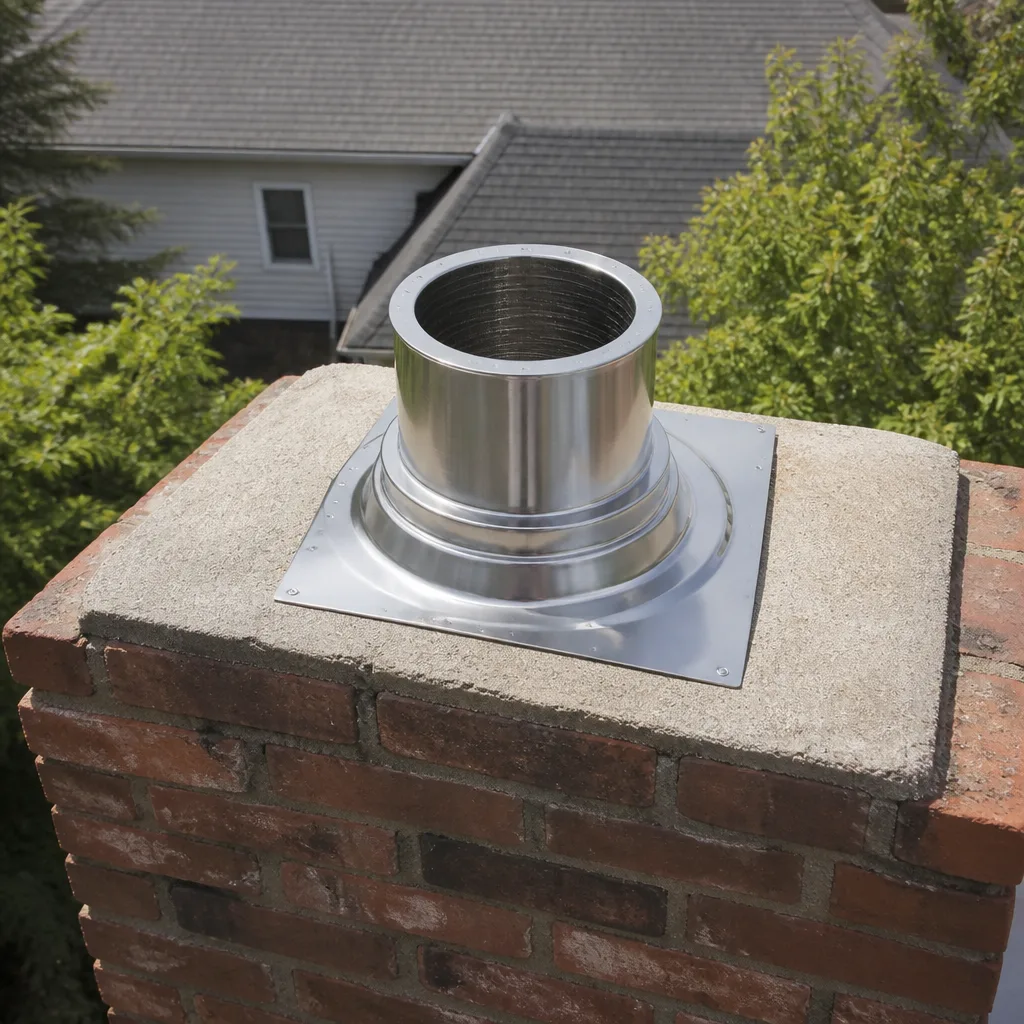
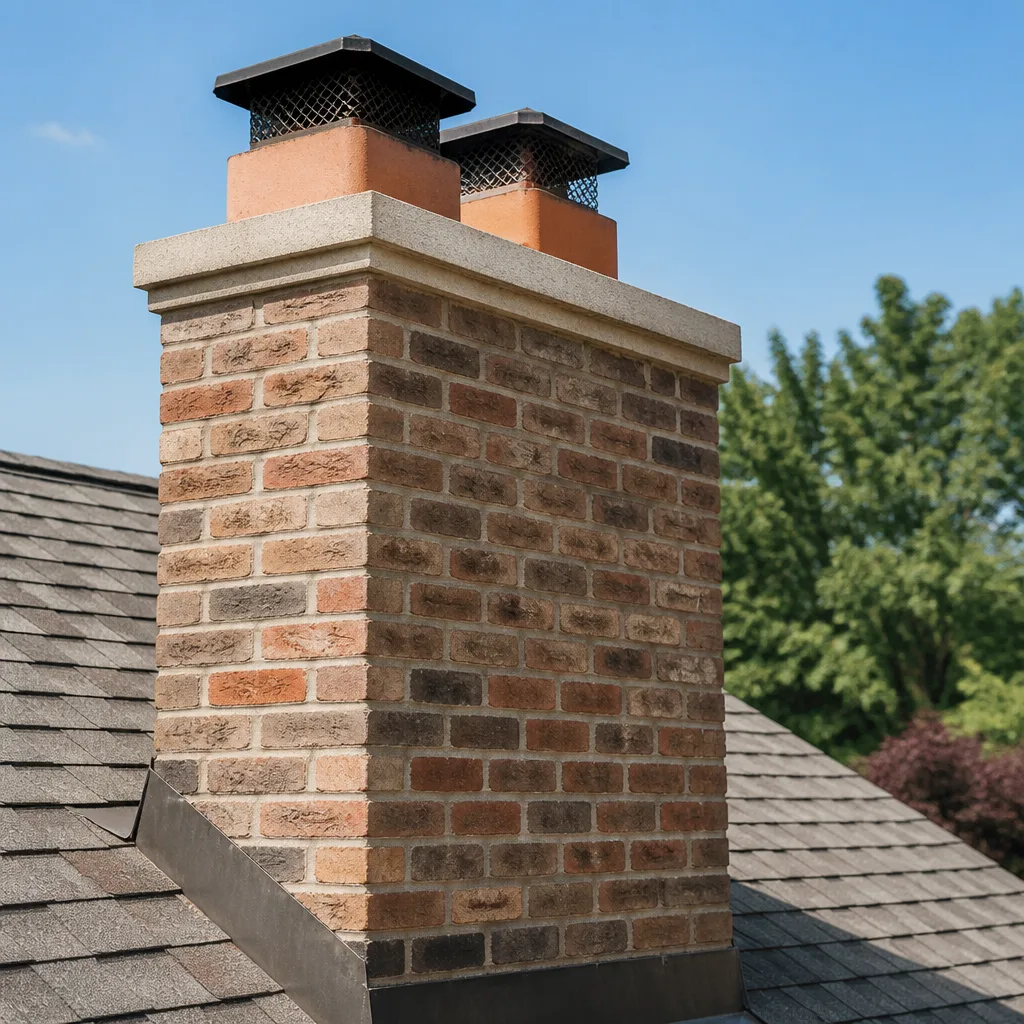
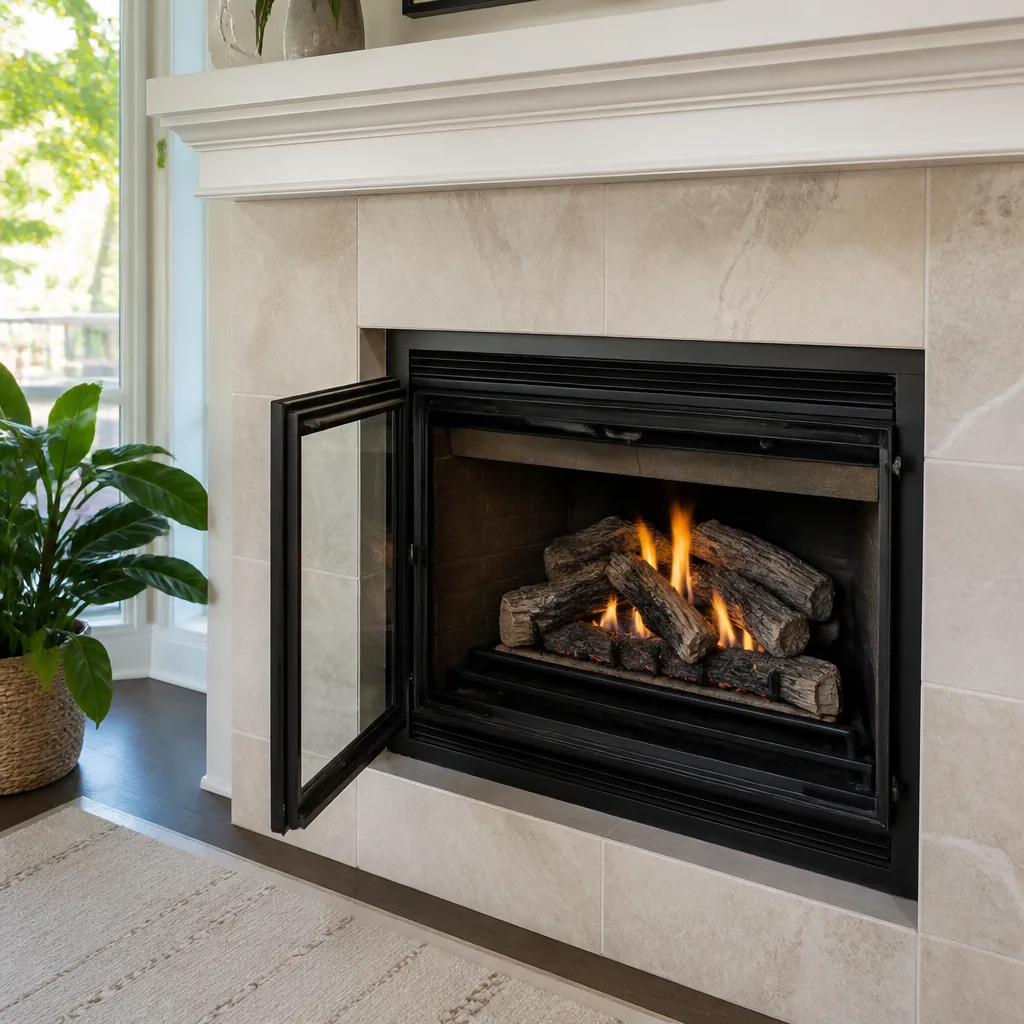
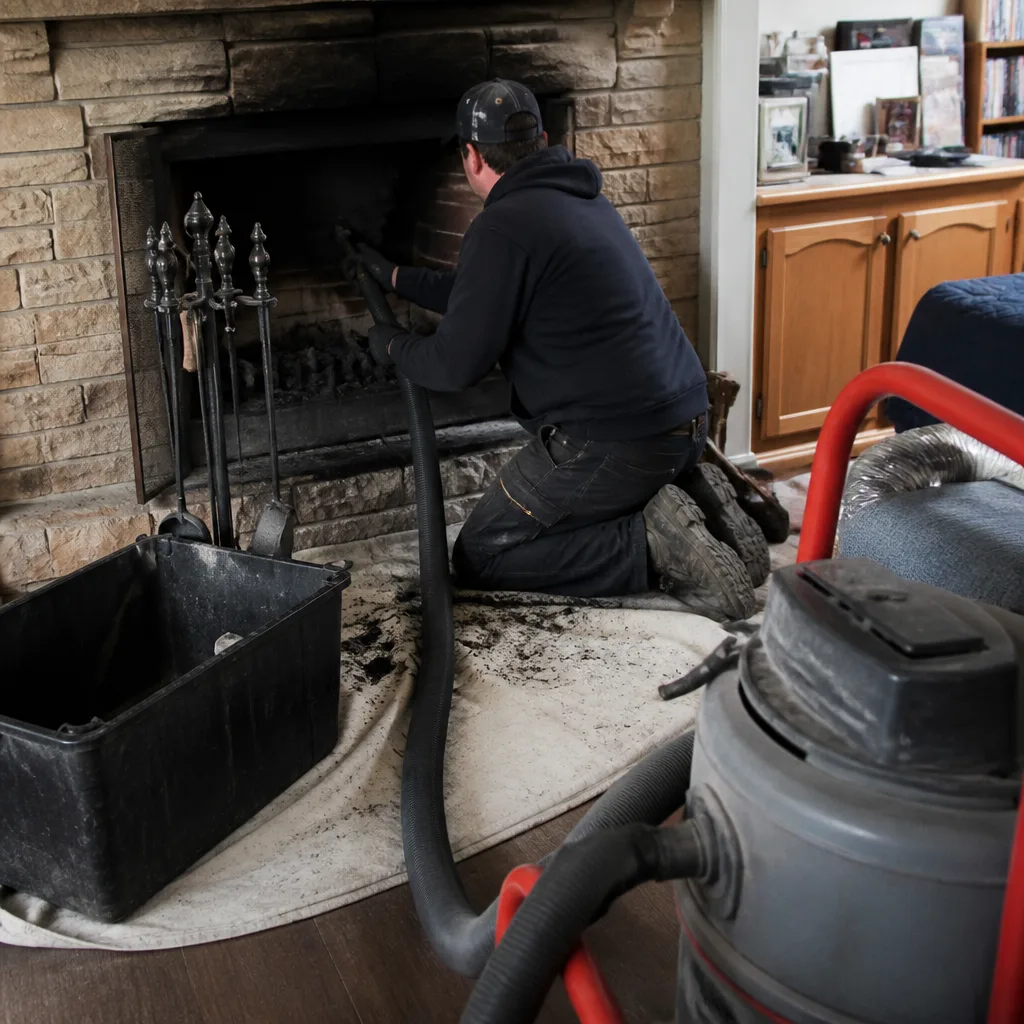 Before
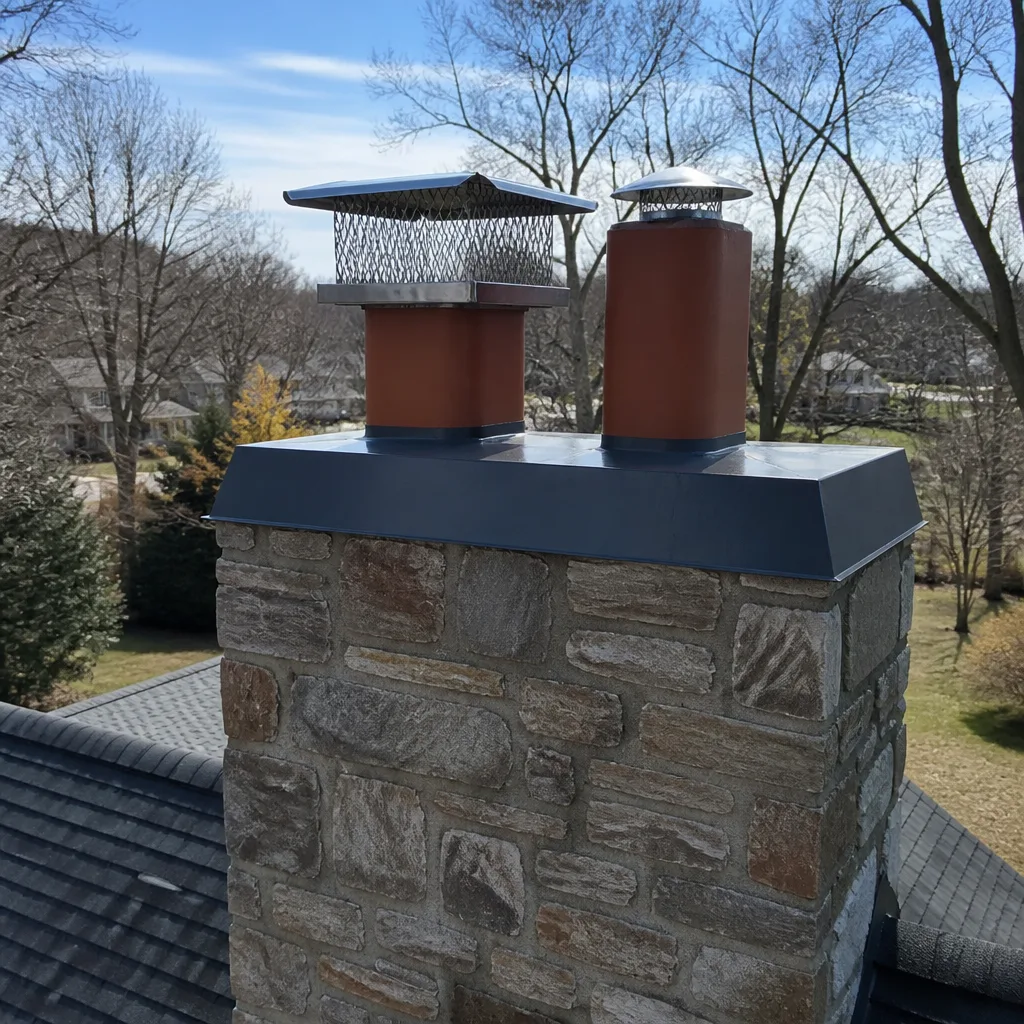 After
After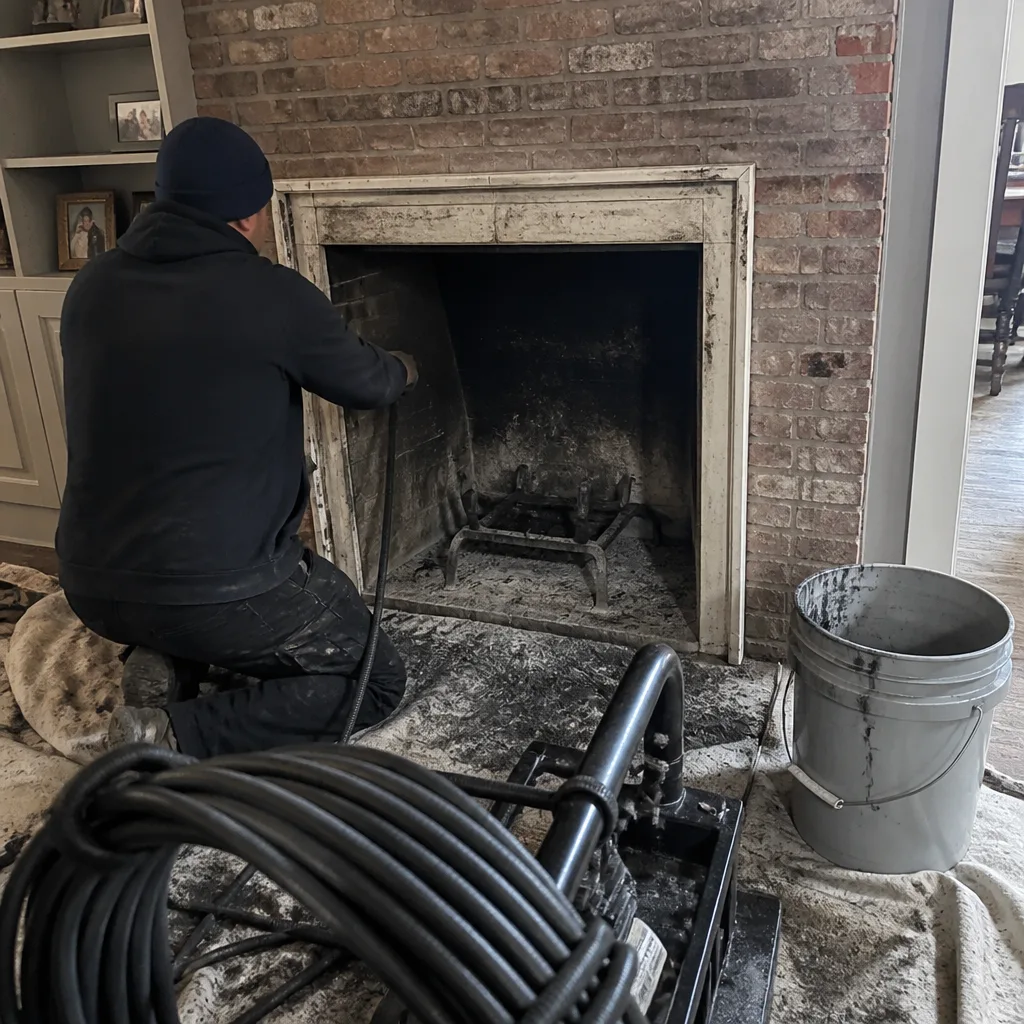 Before
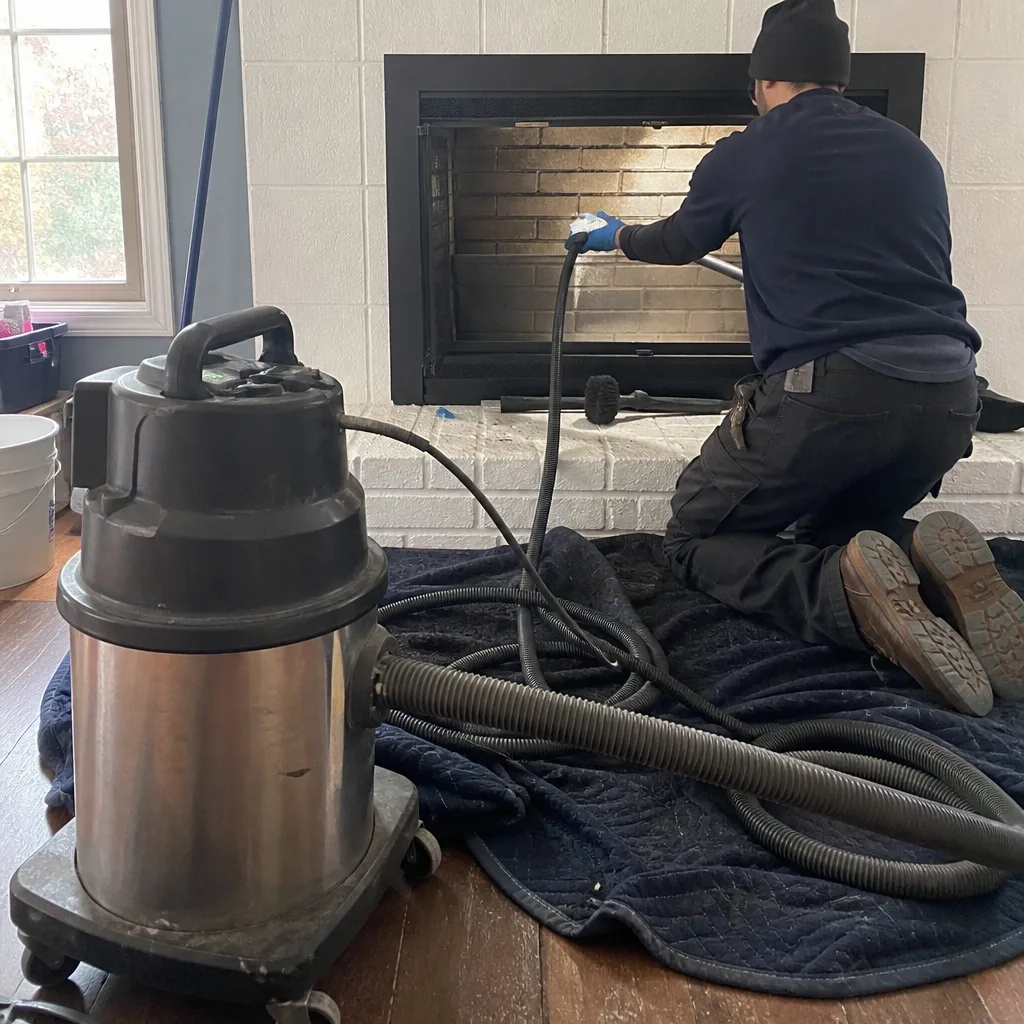 After
After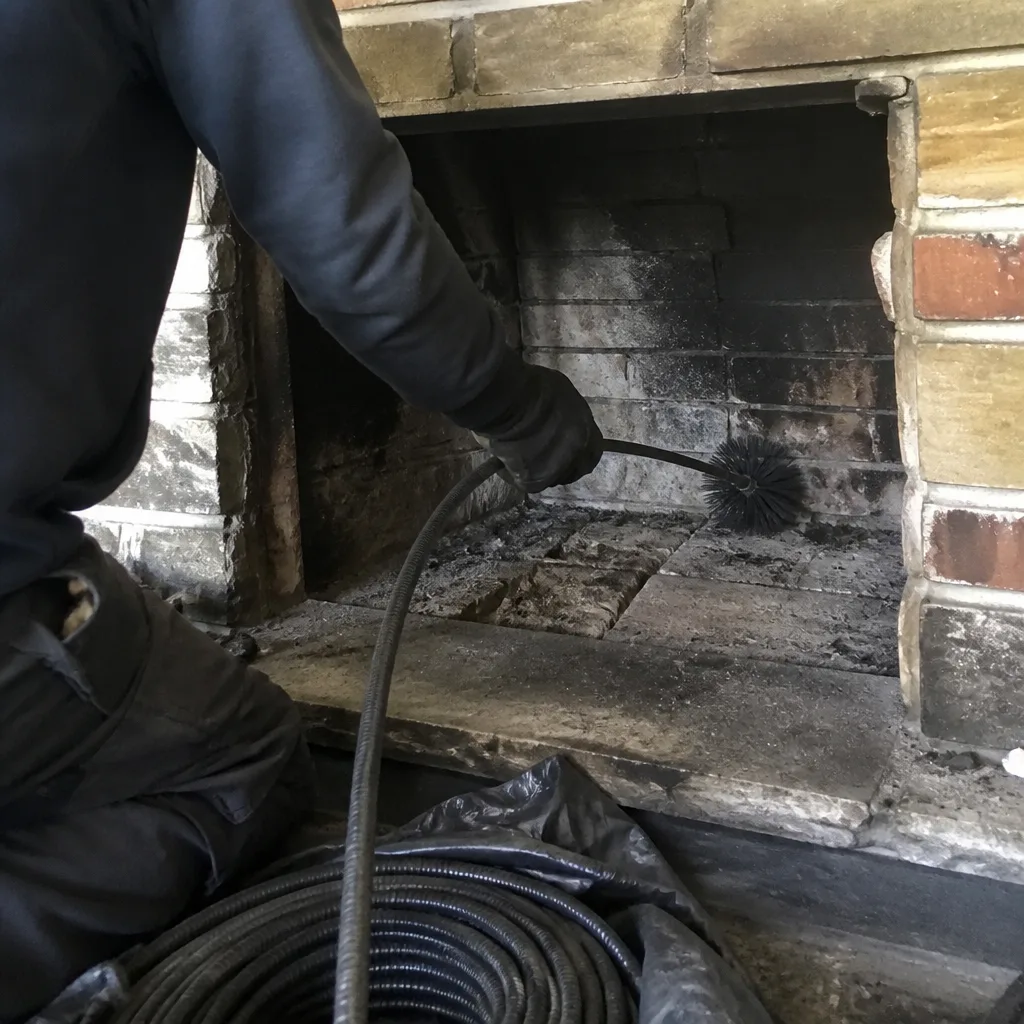 Before
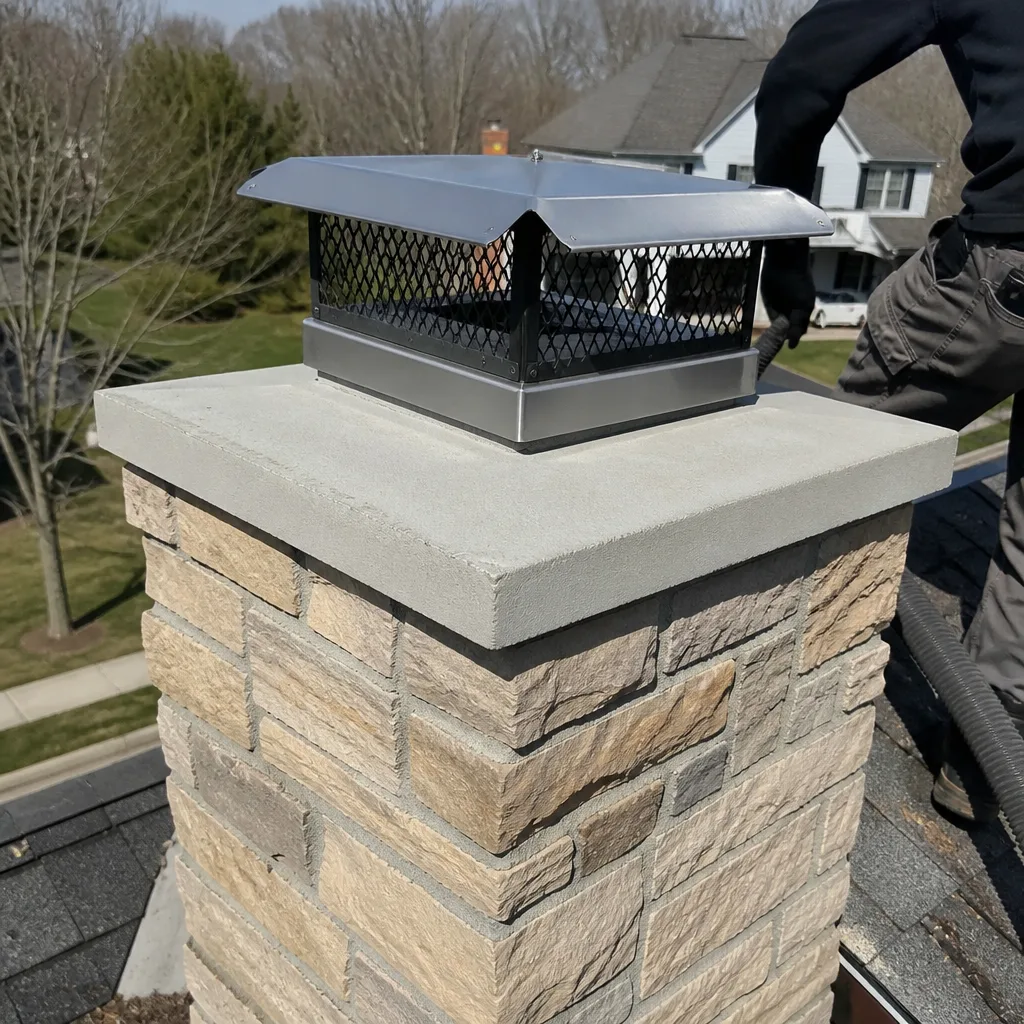 After
AfterSeasonal Chimney Cleaning Care for Downingtown: Year-Round Homeowner’s Guide
Fall is when most Downingtown homeowners book their chimney cleaning, and by then, a summer’s worth of moisture damage, bird nesting, and creosote oxidation has already set in. The standard advice, “get your chimney cleaned every fall,” treats Chester County’s climate like it has one season. It doesn’t. We’ve inspected more than 38,000 chimneys since 2009, and the ones that hold up best in Downingtown get attention four times a year, aligned to what freeze-thaw cycles, humidity spikes, nesting season, and heavy burning actually do to masonry, liners, and caps. This guide maps each season to the specific inspection and maintenance tasks that match real weather events in Chester County, not a generic calendar reminder.
Quick Answer
Seasonal chimney care in Downingtown means four distinct maintenance windows: spring inspection for freeze-thaw masonry damage, summer assessment for moisture-trapped creosote and nesting debris, fall pre-burn verification of liner and cap integrity, and winter monitoring for draft failure and smoke rollout while the system is under load. A year-round approach prevents the costly repairs that single-season scheduling misses.
Table of Contents
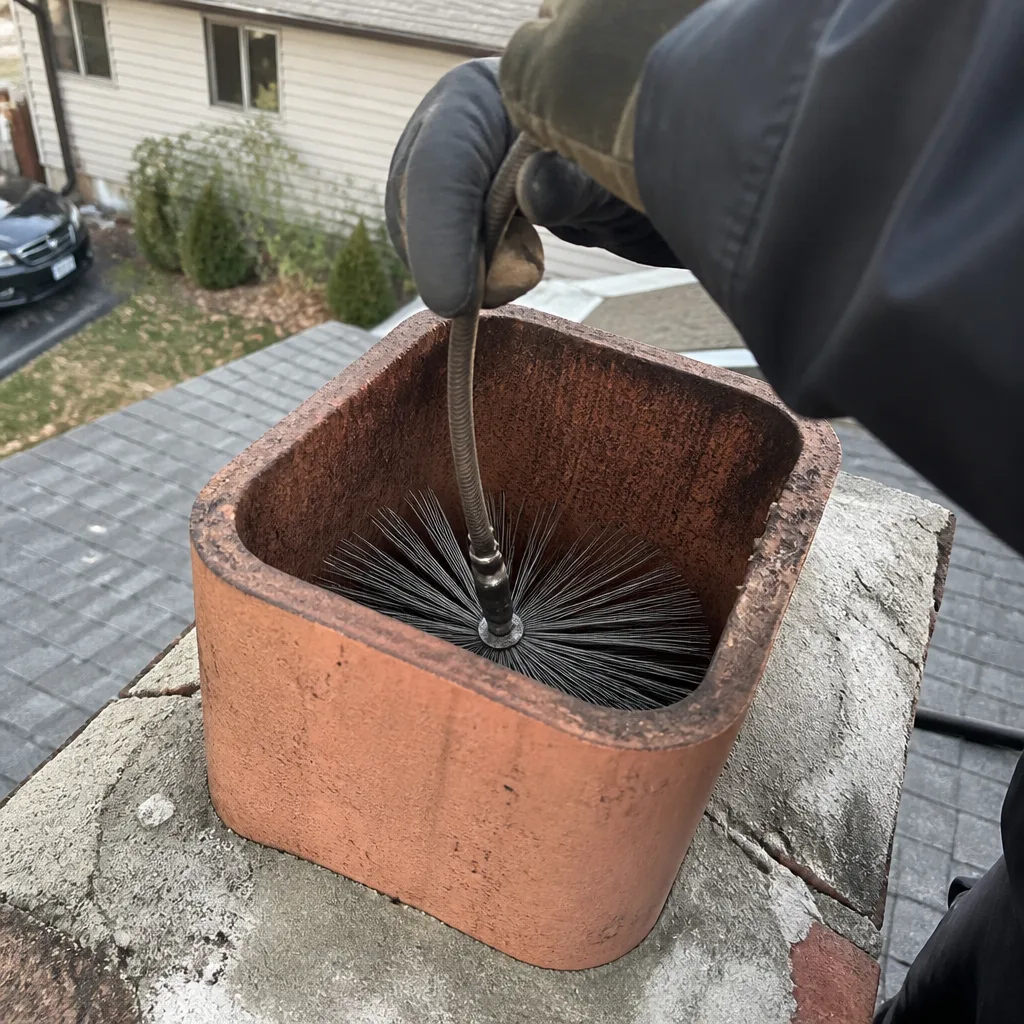
- Spring: Assessing Freeze-Thaw Damage After Chester County Winter
- Summer: Humidity, Creosote Hardening, and Nesting Season
- Fall: The Pre-Burn Checklist Downingtown Homeowners Need
- Winter: Mid-Season Warning Signs While You’re Burning
- Building a Year-Round Service Calendar for Chester County
- What Seasonal Chimney Maintenance Costs in Downingtown
- Common Mistakes to Avoid
- When to Call a Professional
- Frequently Asked Questions
 Before
 After
AfterSpring: Assessing Freeze-Thaw Damage After Chester County Winter
Between December and March, Downingtown chimneys endure dozens of freeze-thaw cycles. Water enters hairline cracks in the crown or mortar joints, expands when it freezes, and widens those cracks by thousandths of an inch each cycle. By April, the damage is visible if you know what to look for.
In our work across Chester County, from the older brick colonials near Kerr Park to the stone homes in the surrounding townships, we see the same spring pattern. The crown, that concrete slab at the top of the chimney, has taken the worst hit. Spalling, brick faces flaking off due to water trapped inside, shows up on the south and west exposures first because those sides warm fastest during daytime thaws and refreeze hardest overnight.
Here’s what to inspect in April, or have inspected:
- Crown integrity. Look for cracks wider than a dime, or any separation between the crown and the brick below. A compromised crown funnels water straight into the flue.
- Flashing condition. The metal where the chimney meets the roofline lifts and separates after repeated expansion and contraction. In Downingtown’s variable spring, lifted flashing admits rain directly into the attic.
- Spalling brick. Tap suspect bricks with a key. A hollow sound means the face has separated from the body. Spalled bricks accelerate water intrusion and weaken the structure.
- Damper operation. Rust from winter condensation often seizes the damper plate. If it won’t open fully or seat closed, you’ve got a draft problem or a heat-loss problem.
- Interior signs. Water stains on the ceiling near the chimney breast, or white efflorescence on the firebox walls, mean moisture is already inside the system.
Spring is also when we document the condition of the flue liner after a full burning season. A Chimney Cleaning & Sweep in Downingtown in April removes the accumulated creosote while it’s still relatively soft, before summer humidity hardens it. More importantly, the camera scan, standard on every Level Two inspection since 2009, reveals liner cracks that opened during winter thermal stress. Clay tile liners in particular develop vertical fractures when heated and cooled repeatedly. Those fractures are the pathway for carbon monoxide and combustion gases into living spaces.
We recommend spring inspection especially for homes in the flood-adjacent zones near East Branch Brandywine Creek, where higher water tables keep masonry wet longer and intensify freeze-thaw damage. The cost of catching crown cracks in April is typically $400-$800 for professional crown sealing or rebuilding. The cost of waiting until water has saturated the brick and compromised the liner can run $2,500-$5,000 for liner replacement.
Summer: Humidity, Creosote Hardening, and Nesting Season
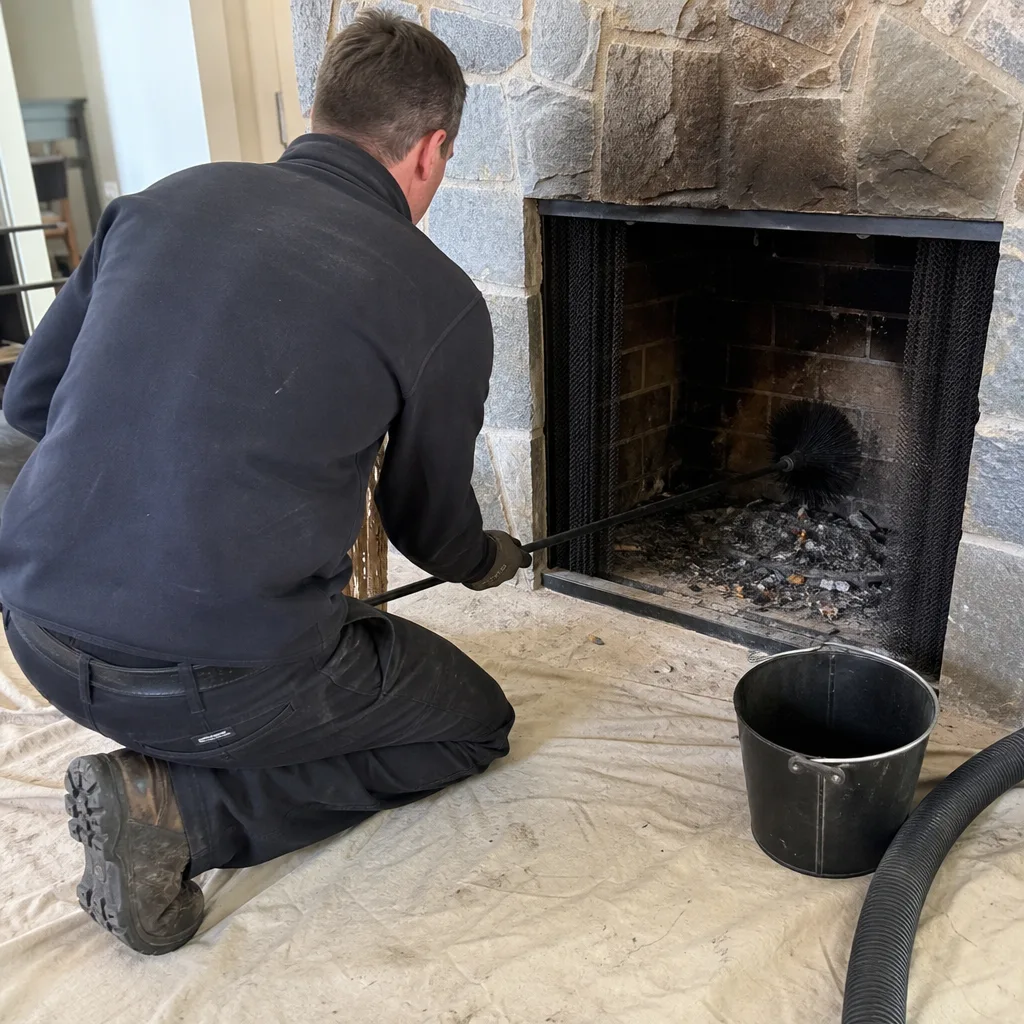
Downingtown’s summers are humid. Average July relative humidity runs above 70%, and that moisture doesn’t stay outside. A chimney with a poorly seated damper becomes a vertical moisture trap. Warm, humid air enters the flue, condenses on the cooler interior surfaces, and rehydrates the creosote left from winter burning.
Here’s the problem: creosote progresses through stages. Stage 1 is flaky soot, easy to remove with a brush. Stage 2 is tar-like and adherent. Stage 3 is glazed, hardened, and essentially baked onto the liner. Summer humidity accelerates the transition from Stage 2 to Stage 3. By September, what could have been brushed clean in April now requires power rotary whipping or chemical treatment. In severe cases, glazed creosote must be removed with specialized chains or replaced liner sections.
The financial difference is substantial. A standard sweep for Stage 1 creosote in Downingtown runs $200-$300. Stage 3 glazed removal starts at $500 and can exceed $1,200 if chemical treatment cycles are needed. The work itself is more invasive and produces more debris.
Summer brings a second hazard: nesting. Chimney swifts, European starlings, and squirrels are active in Chester County from May through August. A chimney without a properly fitted cap is an inviting hollow tree. We’ve pulled nests that completely blocked 8-inch flues, and the nesting material, dry twigs and grass, is itself a fire hazard.
The summer inspection checklist:
- Cap and screen. Confirm the cap is intact, properly sized, and the mesh screen is free of corrosion holes. A cap from Famco or Copperfield, properly installed, prevents 90% of nesting entries.
- Damper seal. Close the damper fully and check for airflow. If you feel a draft, the damper isn’t seating, and humid air is entering continuously.
- Odor assessment. Sour or ammonia smells from the fireplace in summer usually mean creosote is rehydrating and off-gassing, or there’s decaying organic material (nesting debris) in the flue.
- Exterior vegetation. Overhanging branches provide access for squirrels and shade that keeps masonry damp. Trim back anything within 10 feet of the chimney.
In our experience, Downingtown homeowners who schedule a mid-summer inspection, July or August, catch nesting before it becomes a full blockage and address creosote hardening before it requires aggressive removal. The Level Two Chimney Downingtown home page details what our summer inspection includes: camera scan, cap assessment, and written documentation of creosote stage.
Fall: The Pre-Burn Checklist Downingtown Homeowners Need
October is when most chimneys in Downingtown get their annual attention. The problem: by October, you’re already behind. If you find liner damage, cap failure, or significant creosote buildup, you’re either delaying your first fire into cold weather or paying premium rates for urgent scheduling.
The Chimney Cleaning & Sweep Maintenance Checklist for Downingtown Homeowners isn’t complicated, but it is specific. Every item must be verified before the first match is struck:
- Liner condition confirmed by camera. Visual inspection from the top or bottom is insufficient. NFPA 211 Level 2 requires internal inspection of the flue, and in our practice, that means a camera scan with photo documentation. Clause 4 of the Haven Standard requires this record on every job. We’ve found cracked liners that looked sound from the firebox because the crack was on the upper, inaccessible section.
- Damper full range of motion and seating. Open fully, close fully. Check for warping or rust that prevents a tight seal when closed or full opening when in use.
- Cap integrity after nesting season. Verify mesh is intact, lid is secure, and the cap hasn’t been dislodged by summer storms or animal activity.
- Crown and flashing sound. Any spring damage that wasn’t addressed is now about to face freeze-thaw again. Water infiltration during winter burning is especially dangerous because it can create steam pressure inside the flue.
- Creosote level acceptable. NFPA 211 recommends inspection annually and cleaning when deposits exceed 1/8 inch. In practice, most Downingtown homes burning 2-3 times weekly need annual sweeping. Heavy weekend use may need mid-season attention.
- Smoke chamber and firebox condition. Check for cracked refractory panels, deteriorating mortar, or gaps that expose combustible framing.
The fall inspection in Downingtown has a specific urgency: first fires often coincide with the first cold snap, when homeowners are less likely to notice early warning signs. They’re focused on warmth, not performance anomalies. A pre-season Fireplace Services in Downingtown inspection eliminates the variables.
We schedule fall inspections from late August through October, with peak demand in September. Homeowners who book in August get preferred timing and avoid the October rush. The inspection itself takes 60-90 minutes for a standard fireplace, longer for multiple flues or complex systems. Every inspection includes the written price before work starts, documented photo record, and 365-Day Done Right Promise.
Winter: Mid-Season Warning Signs While You’re Burning
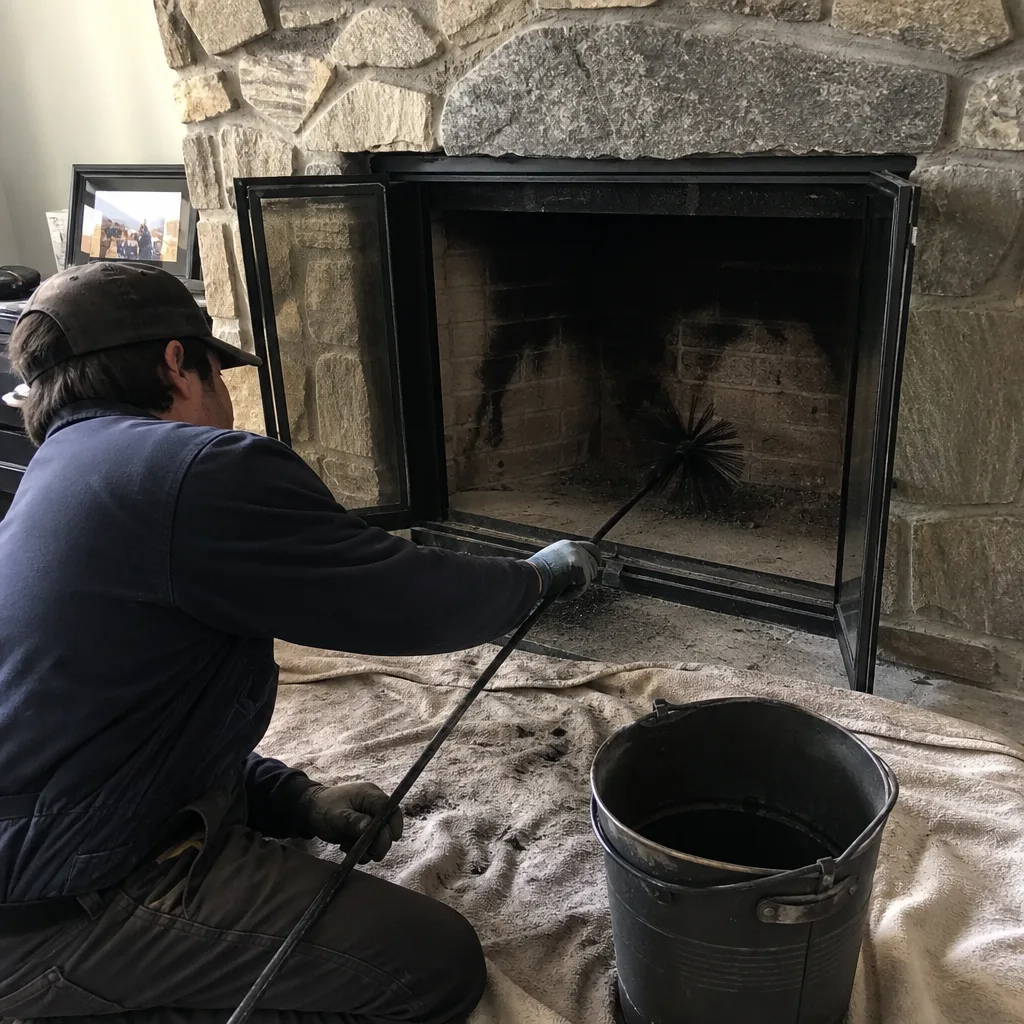
The chimney is under maximum stress in winter. Thermal cycling is extreme, from ambient temperature to 700°F or higher in the flue during a fire. Masonry expands and contracts. Liners flex. Creosote deposits bake harder with each burn. And you’re using the system most when repair access is hardest.
Mid-season vigilance prevents small problems from becoming emergencies. In Downingtown, where temperatures can swing from single digits to the 50s within a week, the stress on chimney systems is pronounced.
Watch for these specific warning signs:
- Smoke rollout into the room. This is not normal. It indicates either a blocked flue, a cold plug preventing draft establishment, or negative pressure in the house from exhaust fans competing with the chimney. If smoke enters the room, extinguish the fire and call for inspection.
- Change in burn odor. A sharp, acrid smell distinct from normal wood smoke suggests creosote ignition, a chimney fire in early stage. Other odor changes, musty or chemical, indicate moisture intrusion or foreign material in the flue.
- Visible creosote flakes in the firebox. Material falling from above means deposits are loosening, possibly from liner damage or excessive buildup. It’s a sign the flue needs immediate attention.
- Draft that reverses or weakens. If smoke lazes or the fire struggles to draw, check for ice blockage at the cap, a common Downingtown issue after freezing rain. If the cap is clear, the problem may be internal obstruction or liner damage.
- Exterior masonry changes. New staining on the chimney exterior, especially below the roofline, indicates water entry that may be flashing-related or from crown failure.
Carbon monoxide risk increases in winter. A damaged liner or blocked flue can allow CO to enter living spaces rather than exhausting outside. Every home with a fireplace should have working CO detectors on every level. If a detector alarms while the fireplace is in use, evacuate and call for emergency inspection.
We do not recommend DIY flue inspection during burning season. The flue is hot, deposits are carcinogenic, and ladder work on icy roofs is dangerous. Our technicians are equipped for winter inspection and can assess conditions without requiring you to extinguish a fire for extended periods. Chimney Repair in Downingtown services include mid-season emergency response for draft failure and smoke problems.
Building a Year-Round Service Calendar for Chester County
A generic annual reminder, “get chimney cleaned in fall,” misses three other critical windows. Here’s a calendar tied to actual Chester County climate and ecology:
| Month | Task | What We’re Addressing | Typical Cost Range in Downingtown |
|---|---|---|---|
| April-May | Post-winter inspection and sweep | Freeze-thaw damage, liner cracks, soft creosote removal | $200-$350 for sweep; $400-$800 for crown repair |
| July-August | Mid-summer assessment | Nesting debris, cap condition, creosote hardening check | $150-$250 for inspection; $200-$400 if sweep needed |
| August-September | Pre-burn full inspection | Complete NFPA 211 Level 2, camera scan, burn readiness | $250-$400 for inspection package |
| January-February | Mid-season check (if warning signs) | Draft issues, creosote buildup, liner damage under load | $150-$250 for inspection; variable for repair |
This calendar spreads costs across the year rather than concentrating them in fall. More importantly, it catches problems in their earliest, cheapest stage. A crown crack sealed in April costs a few hundred dollars. The same crack, unaddressed, leads to saturated brick, liner damage, and potential water damage to interior finishes, costs that multiply tenfold.
For homes in Downingtown’s older neighborhoods, pre-1950 construction with original clay tile liners, we recommend the full four-point calendar. Newer homes with stainless steel liners from DuraFlex and proper caps may reduce to spring and fall inspections after the first few years of baseline documentation.
What Seasonal Chimney Maintenance Costs in Downingtown
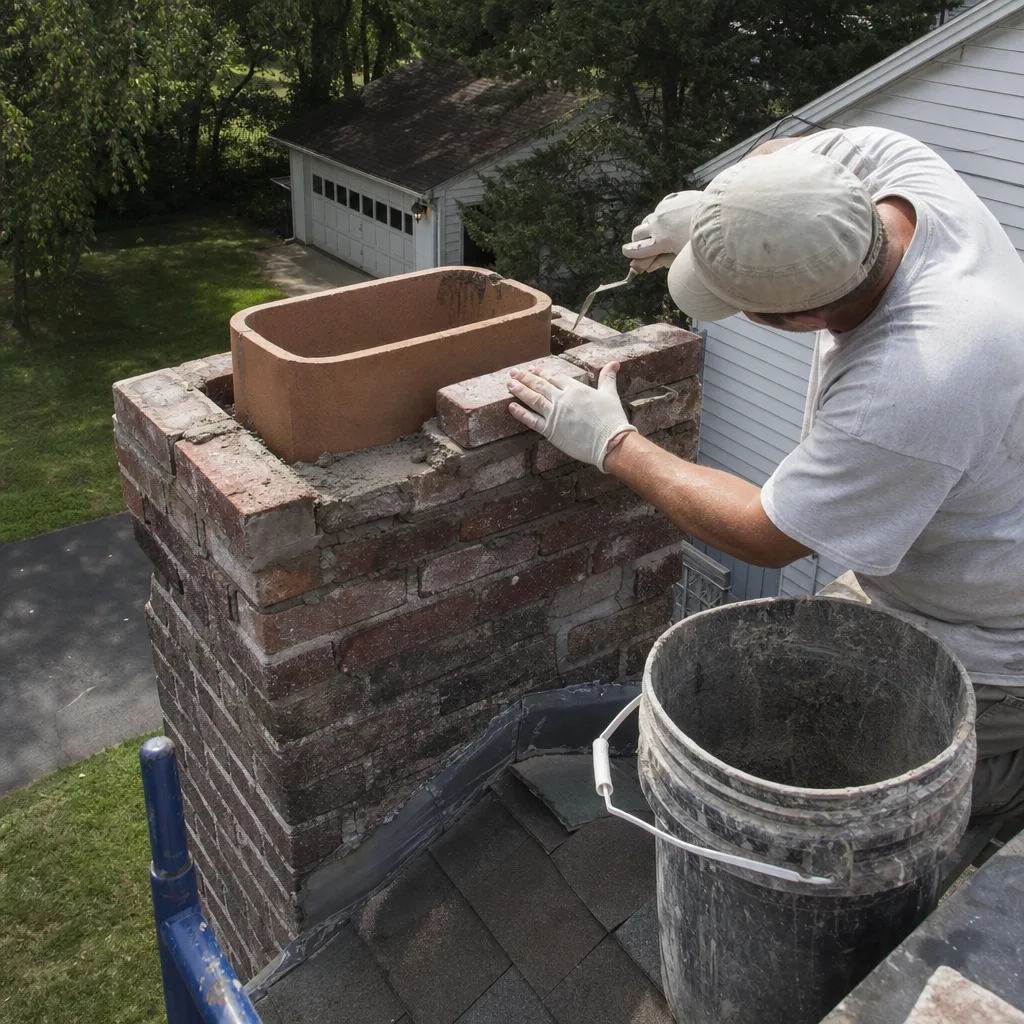
Price transparency is Clause 1 of the Haven Standard: written price, written scope, written warranty before any work starts. Here’s what seasonal care costs in the Downingtown market, based on our 38,000+ jobs since 2009:
- Standard chimney sweep (Stage 1 creosote): $200-$300. Includes brush cleaning of the flue, smoke chamber, and firebox; debris removal; and basic exterior condition check.
- NFPA 211 Level 2 inspection with camera scan: $250-$400. Includes internal video inspection, photo documentation, written condition report, and written repair recommendations with prices.
- Stage 3 glazed creosote removal: $500-$1,200. Requires power rotary whipping, chemical treatment, or both. Priced after camera assessment confirms extent.
- Crown sealing or minor repair: $400-$800. HeatShield crown repair materials, applied with proper preparation and curing.
- Cap replacement (standard stainless): $300-$600 installed, depending on flue size and number of flues. Famco and Copperfield caps sourced through our buying network.
- Liner repair or section replacement: $1,500-$4,500. Wide range depending on liner type (stainless DuraFlex vs. clay tile), flue dimensions, and access difficulty.
Every price is delivered in writing before work begins. No exceptions. We also offer a Free Second Opinion on any competitor’s written estimate. Bring us their quote, and we’ll review the scope and pricing against what we find in our own inspection.
Common Mistakes to Avoid
- Waiting for fall to schedule everything. By October, the good slots are gone, and any problems found delay your burning season or force rushed repairs at premium rates.
- Assuming no fire last year means no inspection needed. Even unused chimneys deteriorate. Moisture, nesting, and liner corrosion don’t require burning to progress.
- Accepting a “flashlight inspection” as sufficient. Visual inspection from top or bottom misses most liner damage. Camera documentation is the only reliable method, and it’s been our standard since 2009.
- Ignoring summer odors. A sour smell from the fireplace in July means creosote is rehydrating or nesting debris is decaying. Both worsen with time and heat.
- DIY cap installation with hardware-store products. Ill-fitting caps admit animals, trap moisture, or blow off in Chester County wind. Proper cap sizing and securement requires specific measurements and materials.
- Skipping mid-season checks after weather events. The ice storm of January 2022 damaged dozens of Downingtown caps and crowns. Homeowners who inspected after the thaw caught problems early; those who waited until fall found advanced water damage.
When to Call a Professional
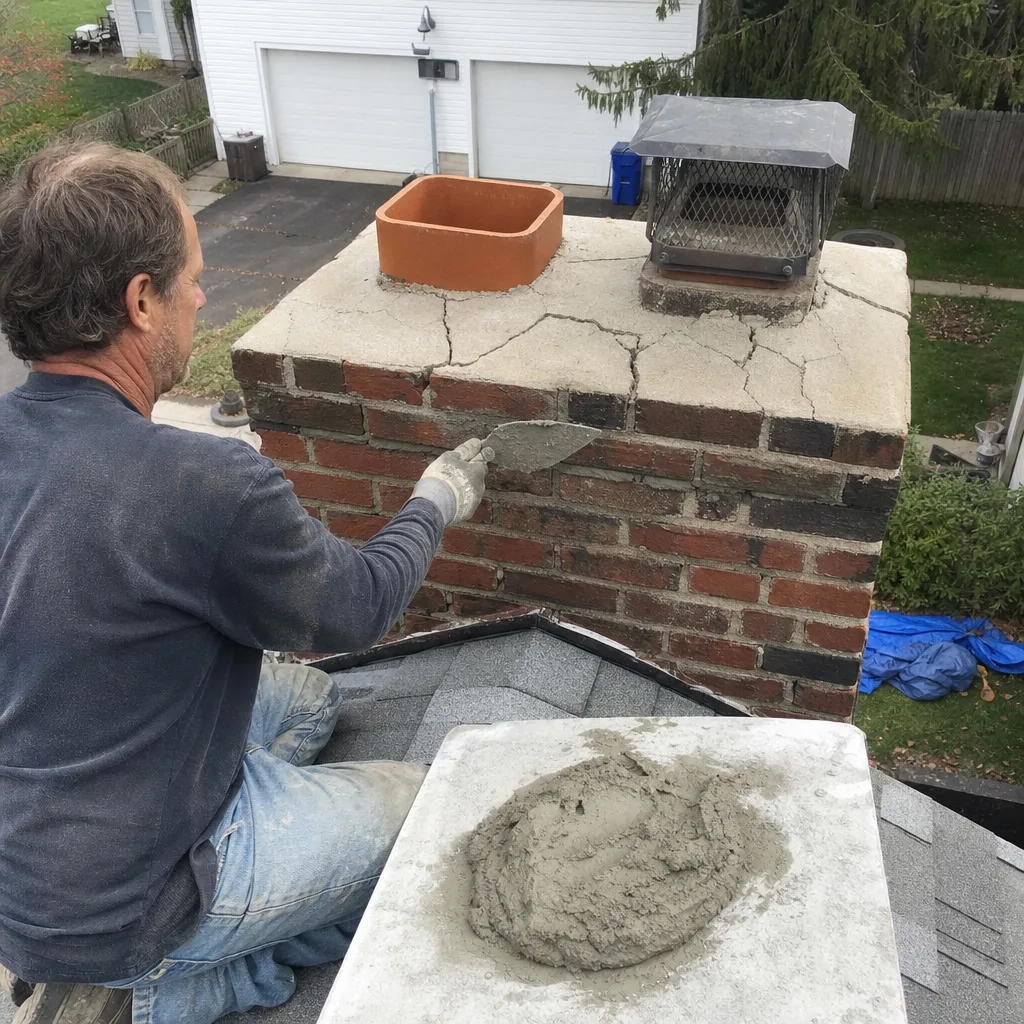
Call for professional inspection when you observe smoke rollout, persistent draft problems, visible exterior damage, or any odor change during burning. Call before the first fire of the season if you skipped the previous year’s inspection, if you’ve purchased the home recently, or if the chimney serves a new appliance installation.
Carbon monoxide detector alarms during fireplace use require immediate evacuation and professional assessment. Do not attempt to diagnose flue problems yourself; the risks of incorrect assessment are too high.
Level Two Chimney Downingtown offers free estimates in Downingtown. Every estimate includes a written scope, written price, and written warranty before any work begins. Call (484) 558-2798 to schedule. Live phone support is available 24 hours a day, 7 days a week.
Frequently Asked Questions
A standard chimney sweep in Downingtown costs $200-$300 for Stage 1 creosote removal, including brush cleaning of the flue, smoke chamber, and firebox. Stage 3 glazed creosote, hardened by humidity and repeated burning, runs $500-$1,200 due to specialized removal methods. Every job is quoted in writing before work starts, with no surprise add-ons. Call (484) 558-2798 for an exact quote, estimates are free.
Whether a liner needs replacement depends on what the camera scan shows. Clay tile liners with isolated cracks may be repairable with HeatShield cerfractory foam or joint repair systems. Multiple cracks, shifted tiles, or deterioration exceeding 25% of the flue surface typically require stainless steel liner replacement with DuraFlex or equivalent materials. We never recommend liner work without camera evidence you can review yourself, and we’ll tell you plainly when repair can wait versus when replacement is safety-critical.
NFPA 211 recommends annual inspection and cleaning when creosote exceeds 1/8 inch. For Downingtown homes burning 2-3 times weekly through winter, annual sweeping is typical. Heavy use, especially with unseasoned wood, may require mid-season attention. Even unused chimneys need biennial inspection for moisture damage, nesting, and liner corrosion. The four-season calendar in this guide spreads maintenance optimally across Chester County’s climate cycle.
Skipped maintenance leads to progressive, expensive damage. Creosote hardens from removable Stage 1 to glazed Stage 3, increasing sweep costs 2-4x. Moisture entry through crown cracks saturates brick, causing spalling and structural weakening. Liner cracks allow combustion gases and carbon monoxide into living spaces. Nesting debris creates fire hazards and draft-blocking obstructions. In worst cases, accumulated creosote ignites, causing chimney fires that damage liners, masonry, and adjacent framing. The cost of prevention is a fraction of the cost of remediation.
Summer chimney odors in Downingtown typically come from two sources: rehydrated creosote off-gassing in humid conditions, or decaying organic material from nesting debris. A properly seated damper and intact cap prevent most summer odor issues by blocking humid air entry and animal access. Persistent odors warrant camera inspection to identify the source and recommend specific remediation.
Homeowners can check exterior masonry, cap condition from ground level, and damper operation safely. Internal flue inspection requires specialized camera equipment and training to interpret findings accurately. NFPA 211 Level 2 inspection, the standard we apply on every job, includes internal video documentation that homeowner inspection cannot replicate. For safety-critical components, professional assessment is the appropriate choice.
The Bottom Line
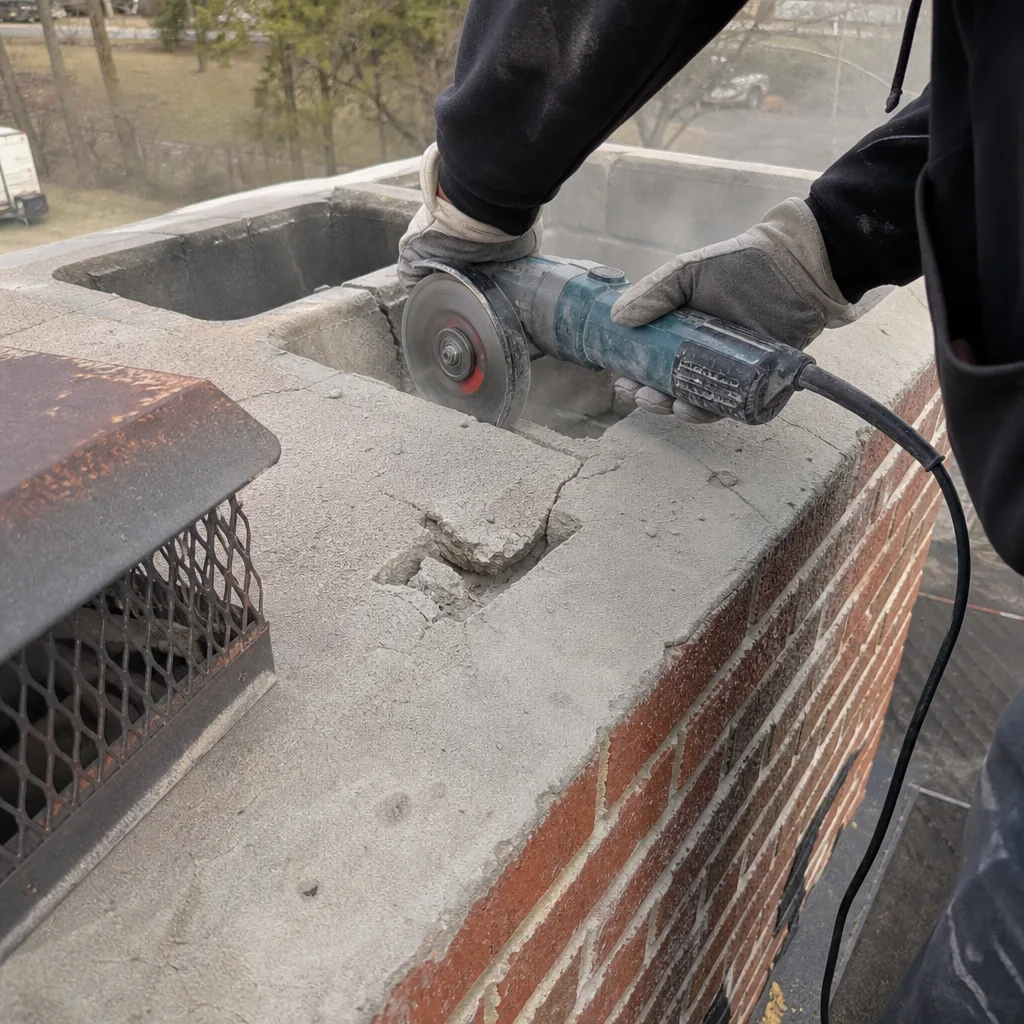
Downingtown’s climate delivers four distinct chimney stress events: freeze-thaw cycling in winter, humidity-driven creosote hardening in summer, nesting debris accumulation through warm months, and thermal overload during heavy burning. A single fall inspection catches only the last of these in time. Year-round care, aligned to actual Chester County weather patterns, prevents the costly repairs that hidden damage produces. The homeowners we see with the lowest lifetime chimney costs are those who built a seasonal rhythm: spring for damage assessment, summer for moisture and nesting control, fall for burn readiness verification, and winter for vigilant use monitoring. Every inspection should include camera documentation, written pricing, and a clear record of what was found. Anything less leaves you guessing about the condition of a system that vents combustion gases through the center of your home.
Written by Corrine Halstead, Owner at Level Two Chimney Downingtown, serving Downingtown since 2009.