
Last updated September 22, 2026
Level 1 sweep and inspection to the NFPA 211 annual standard - flue, crown, cap, and flashing checked and photographed
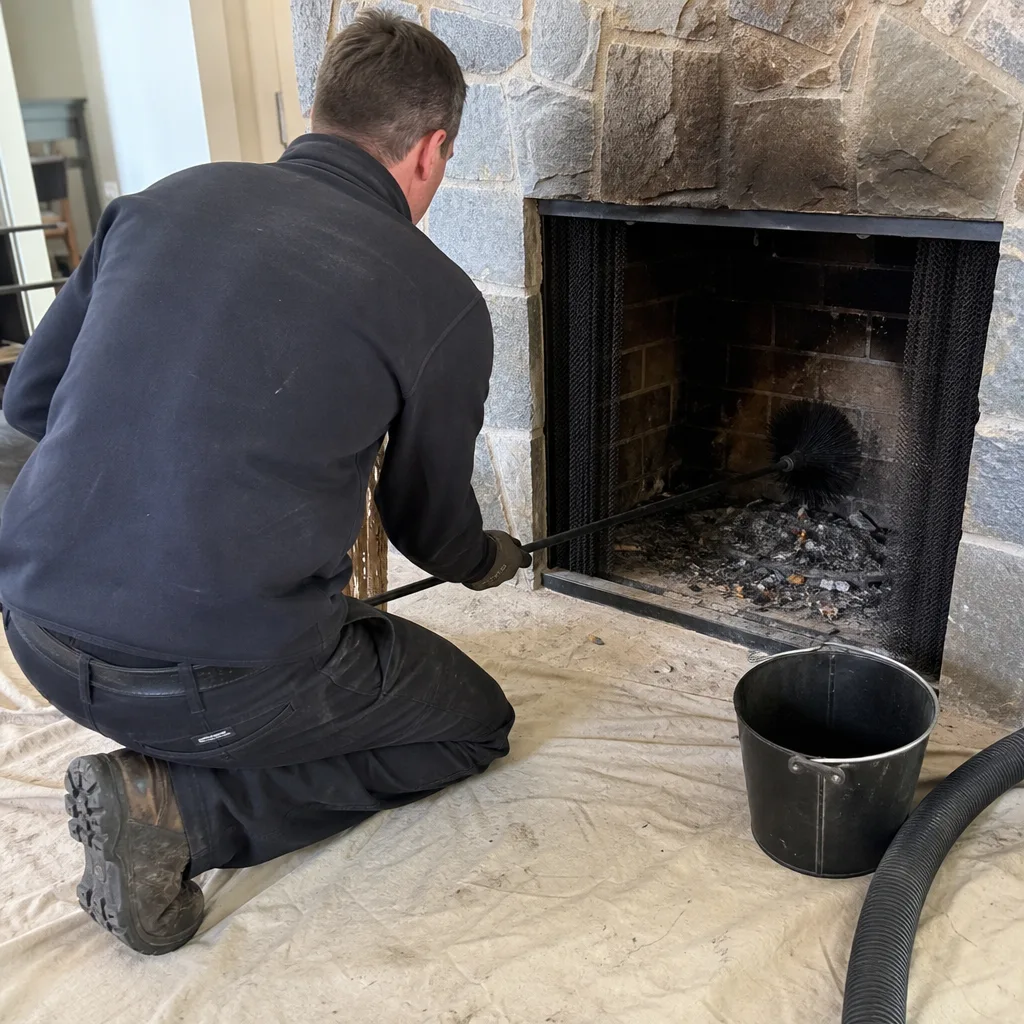
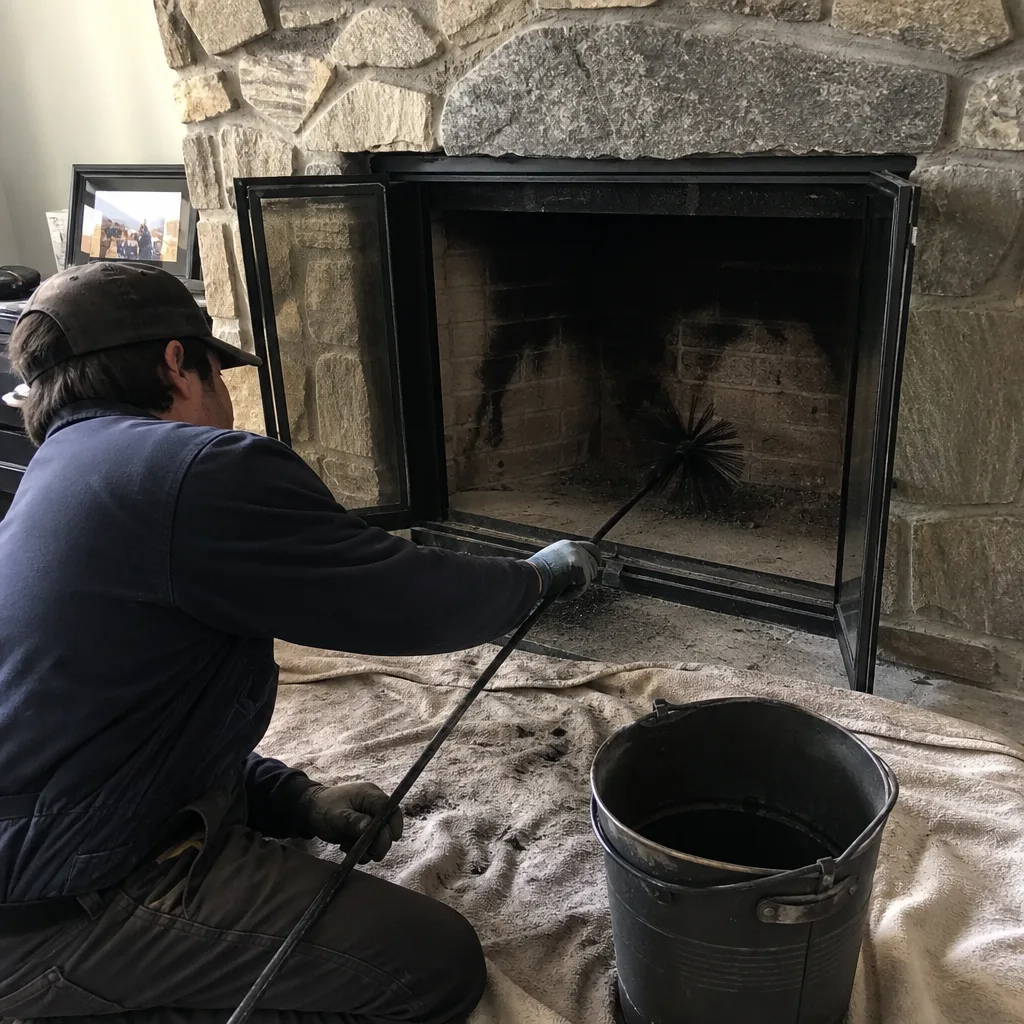
Chimney sweep logs do not sweep chimneys. They loosen some creosote - which then falls where a brush and vacuum still have to collect it.
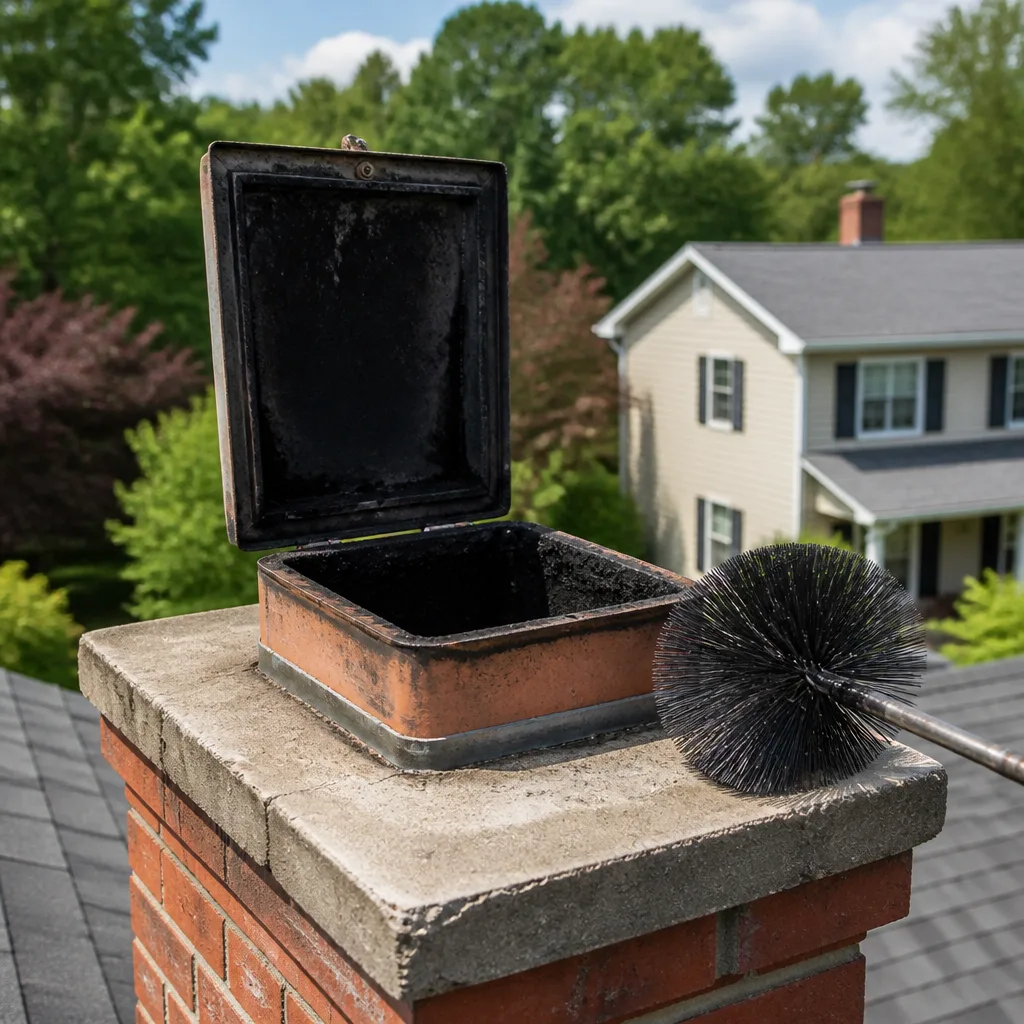
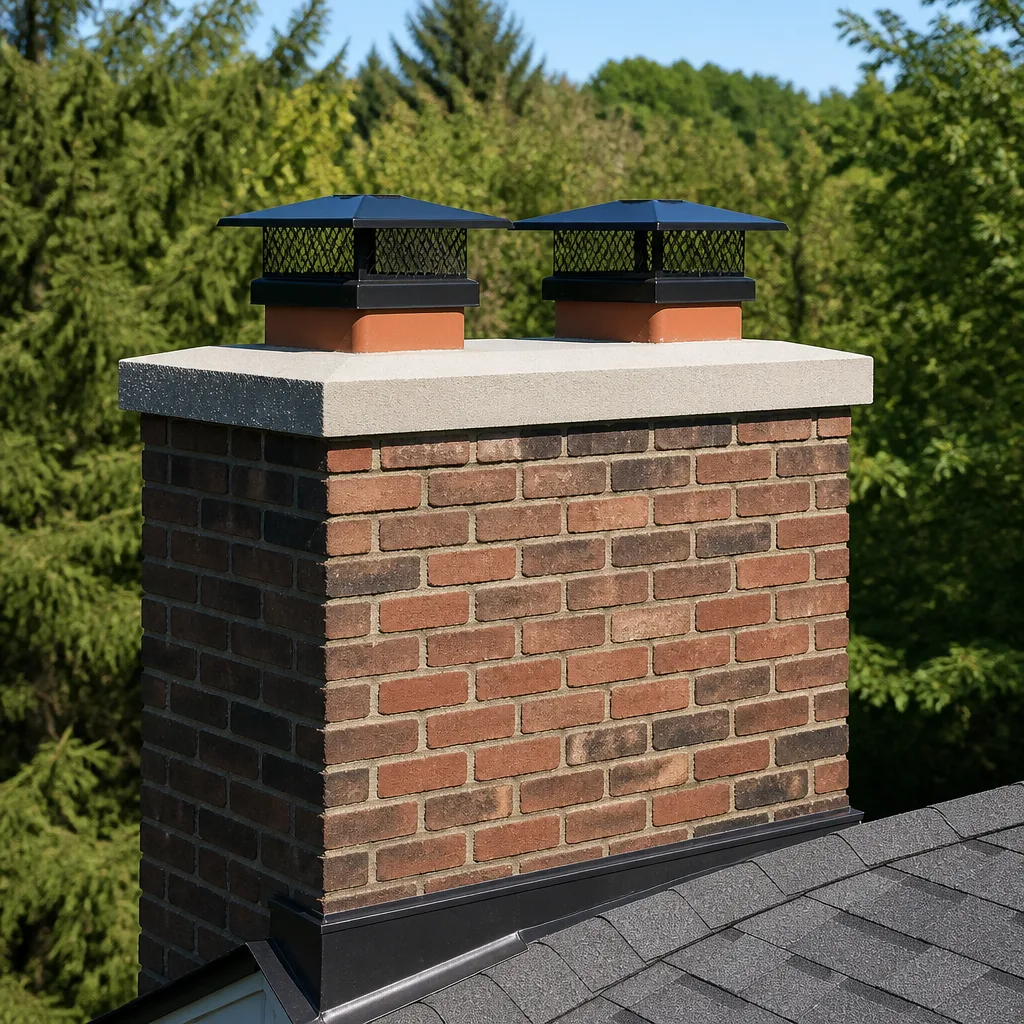
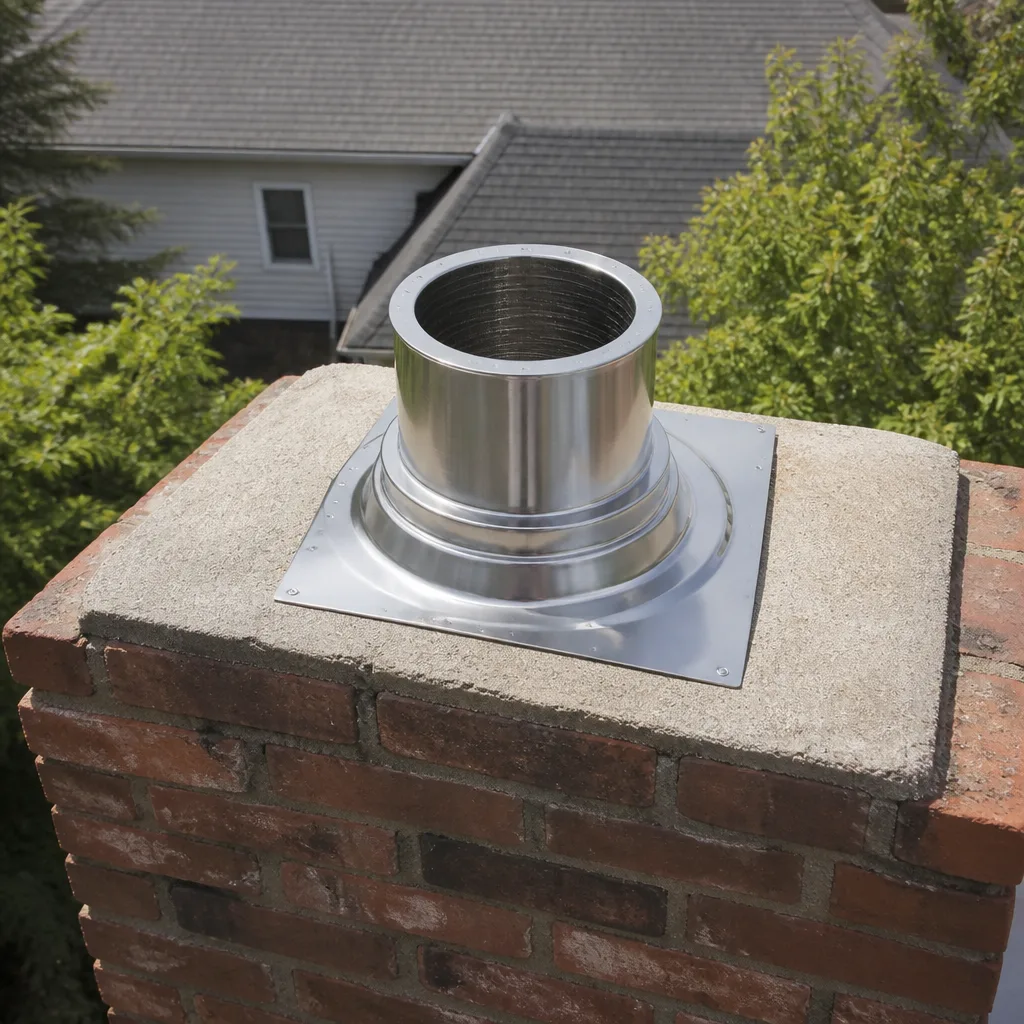
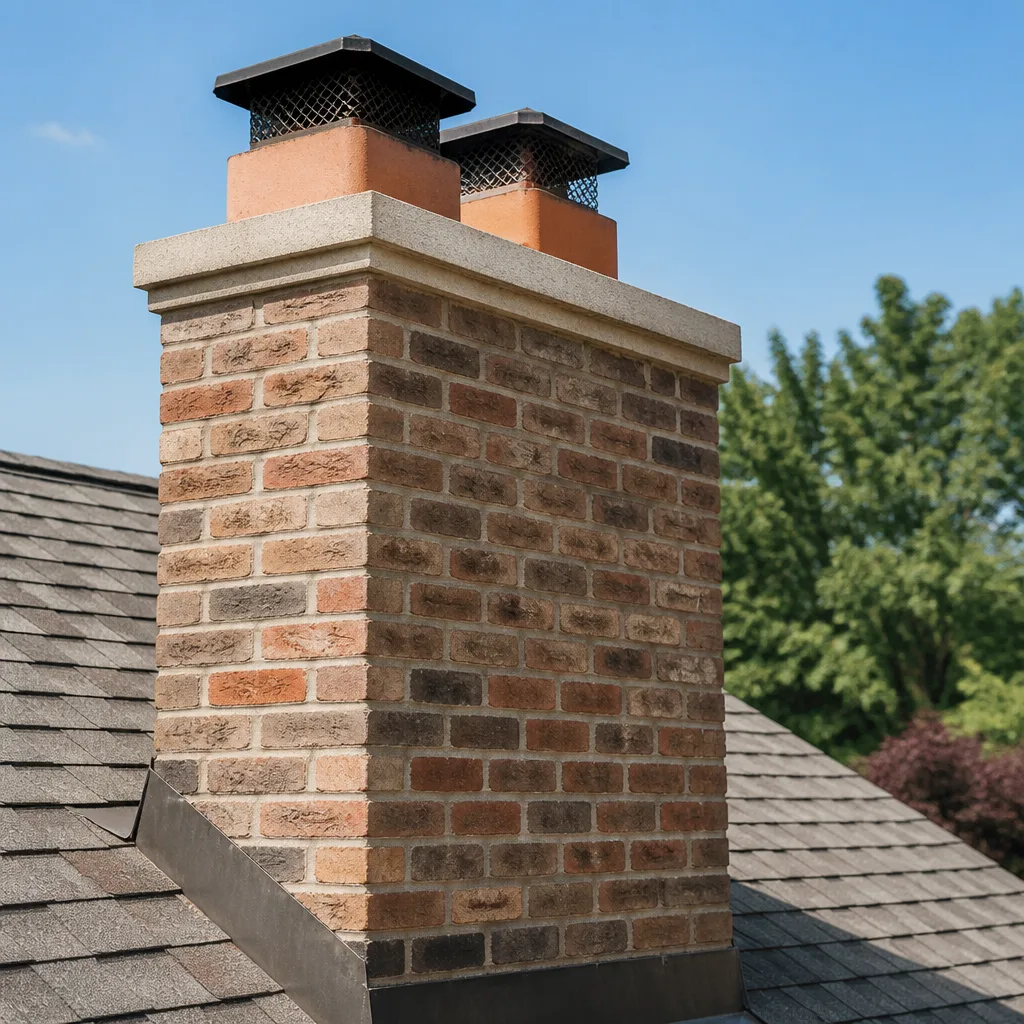
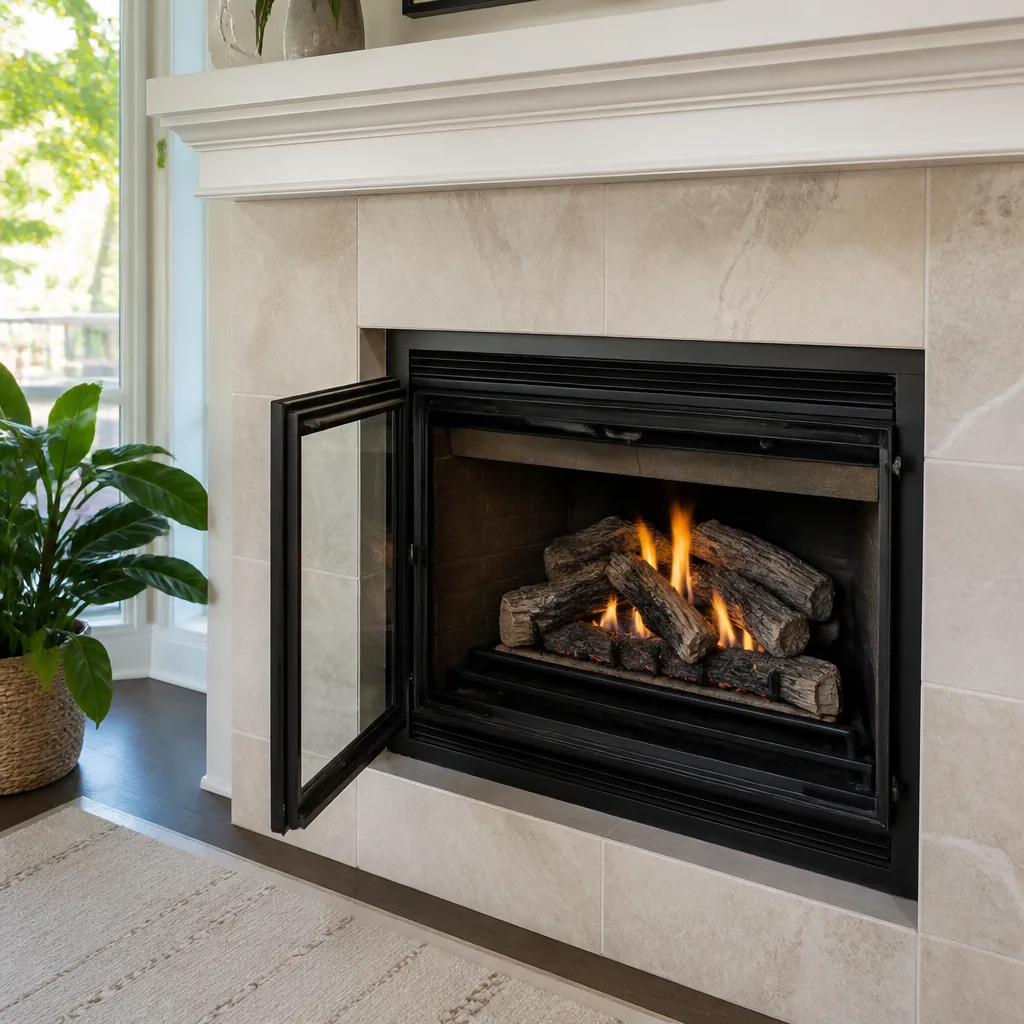
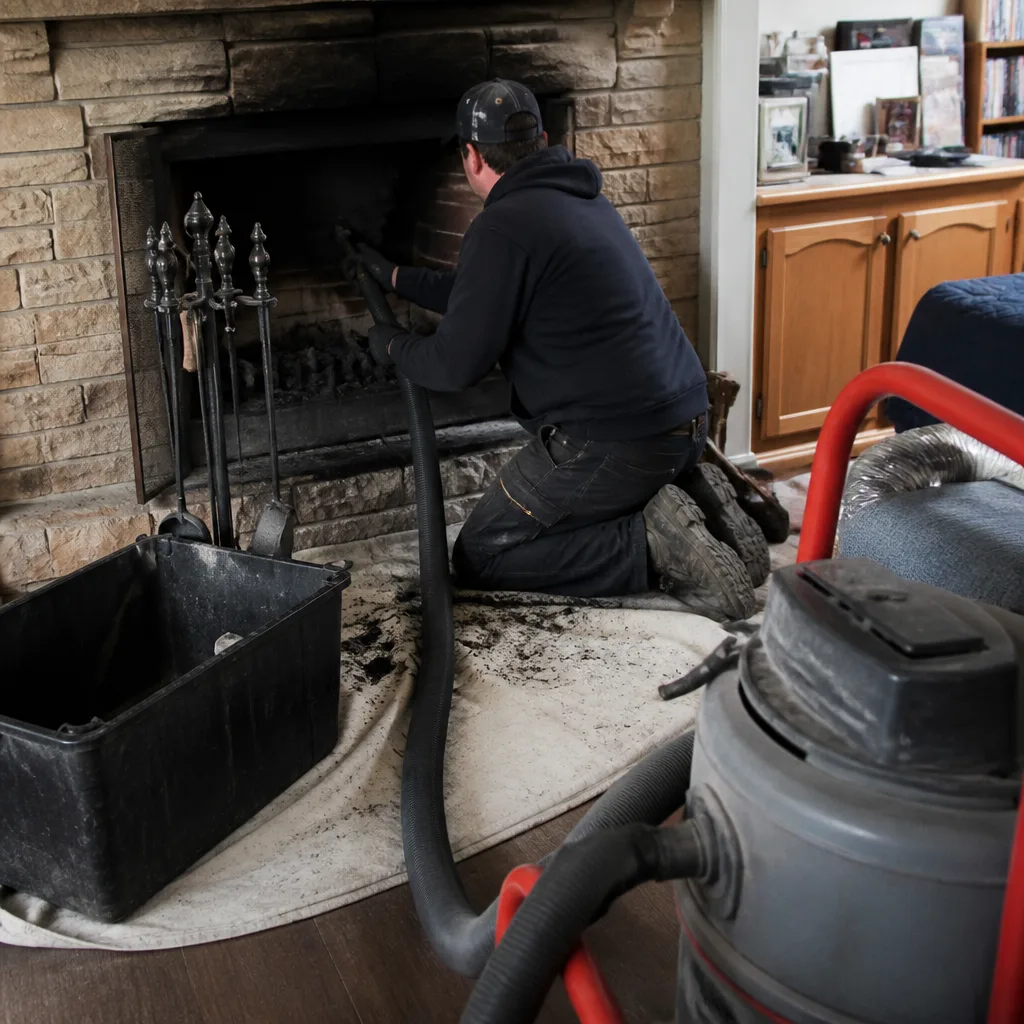 Before
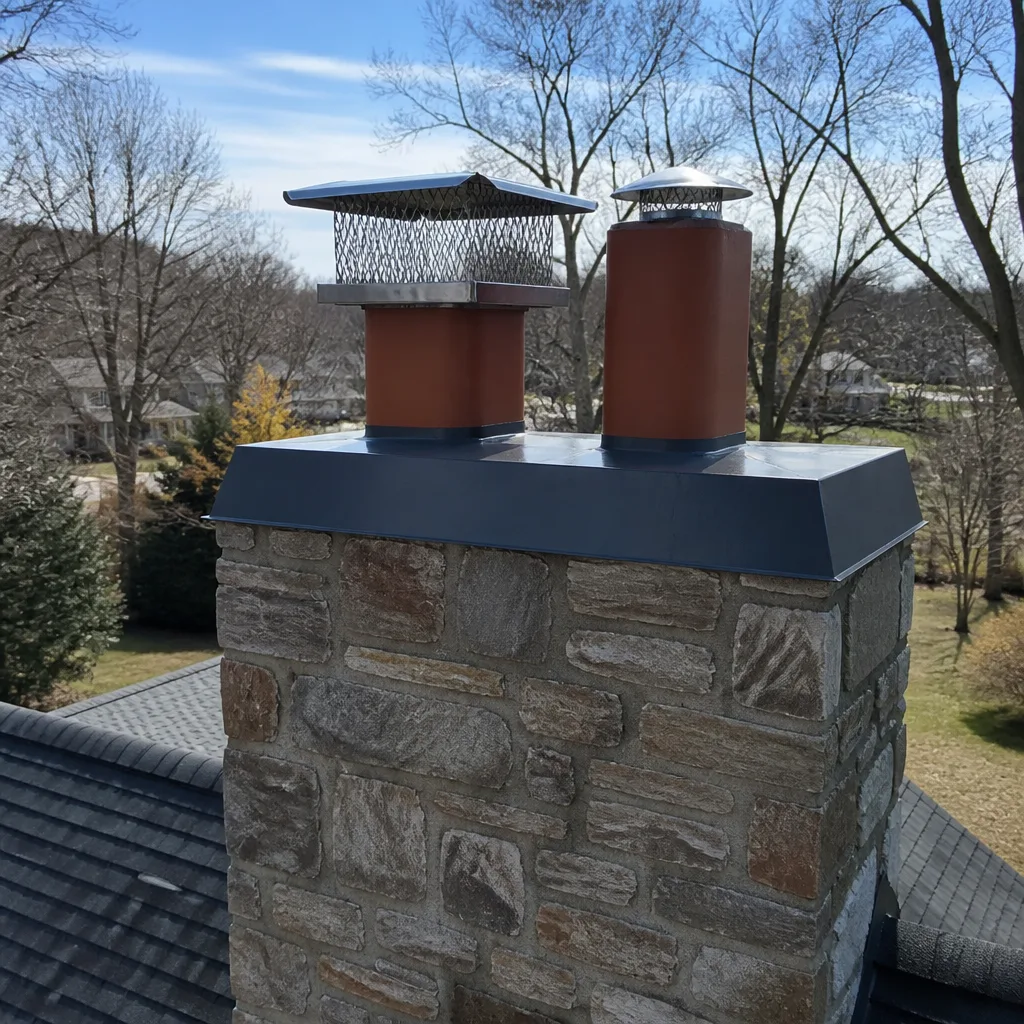 After
After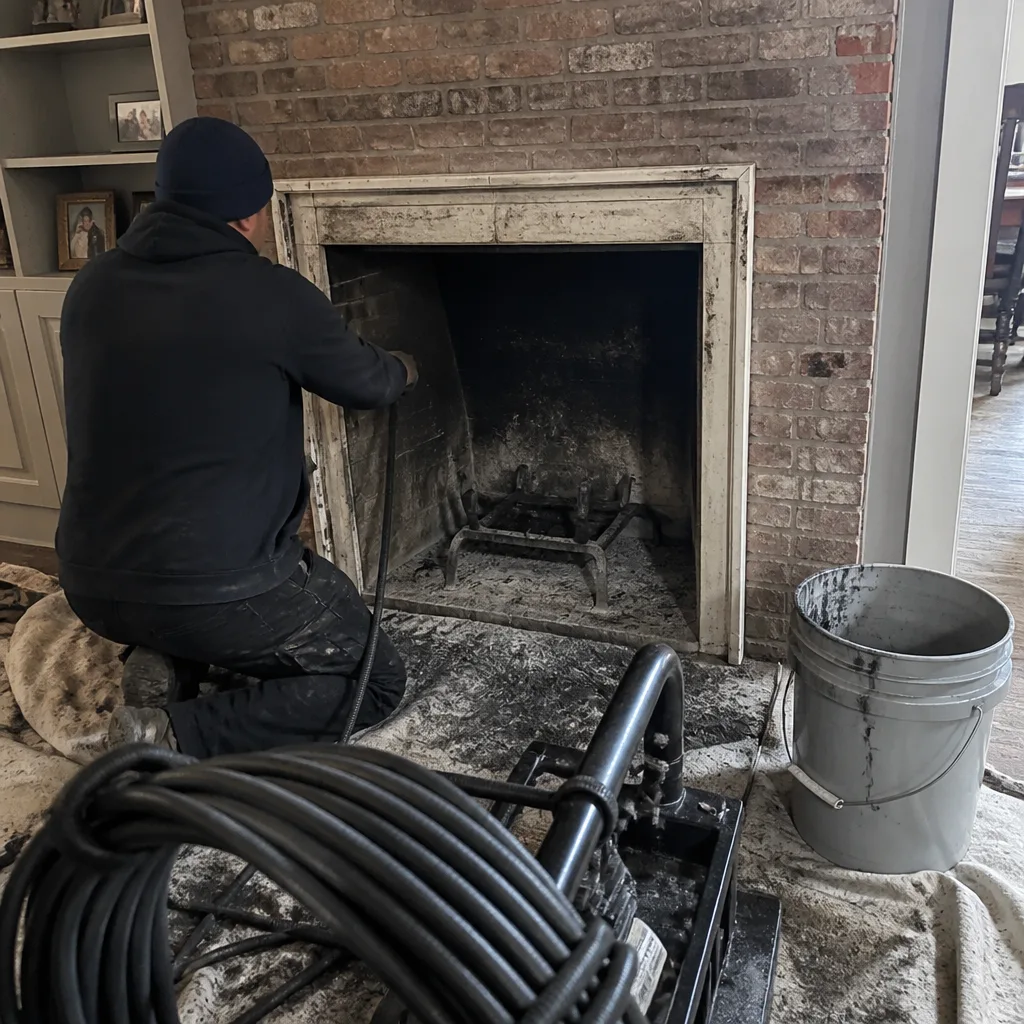 Before
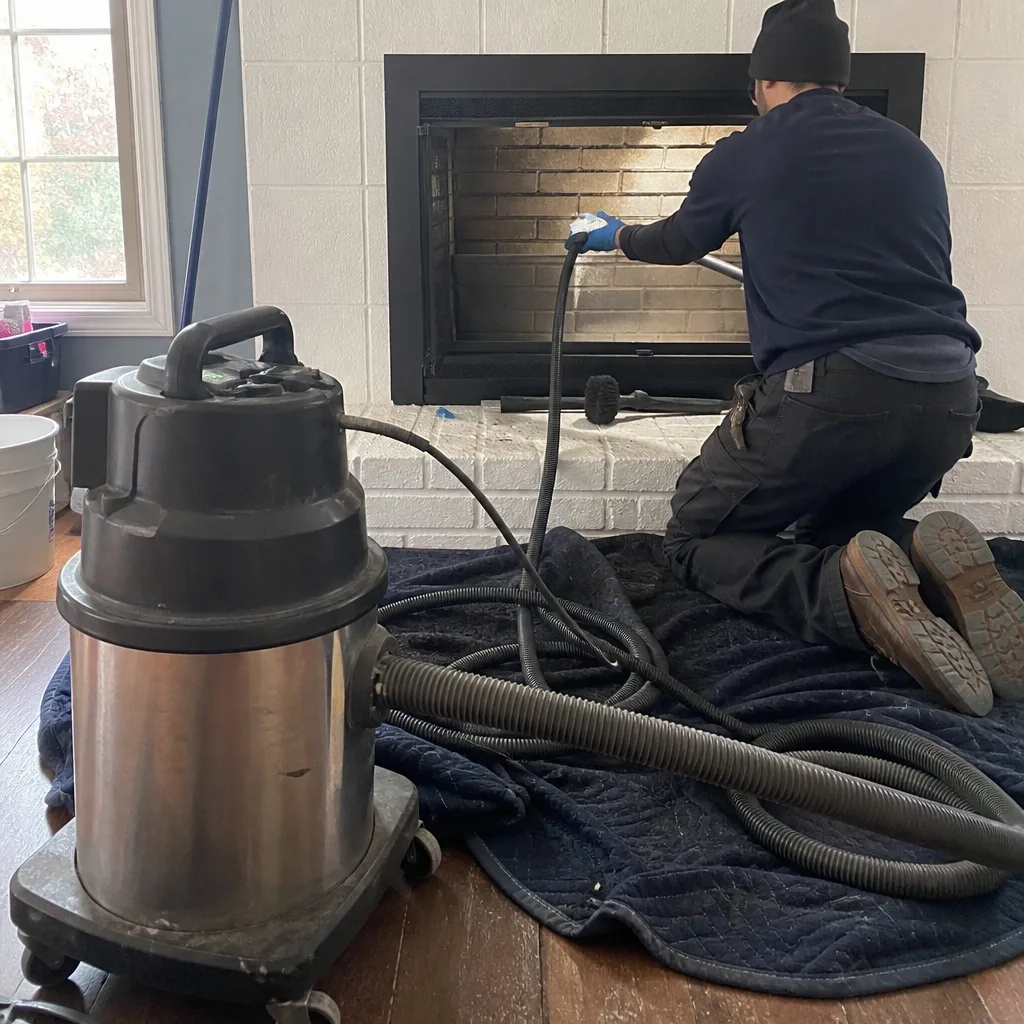 After
After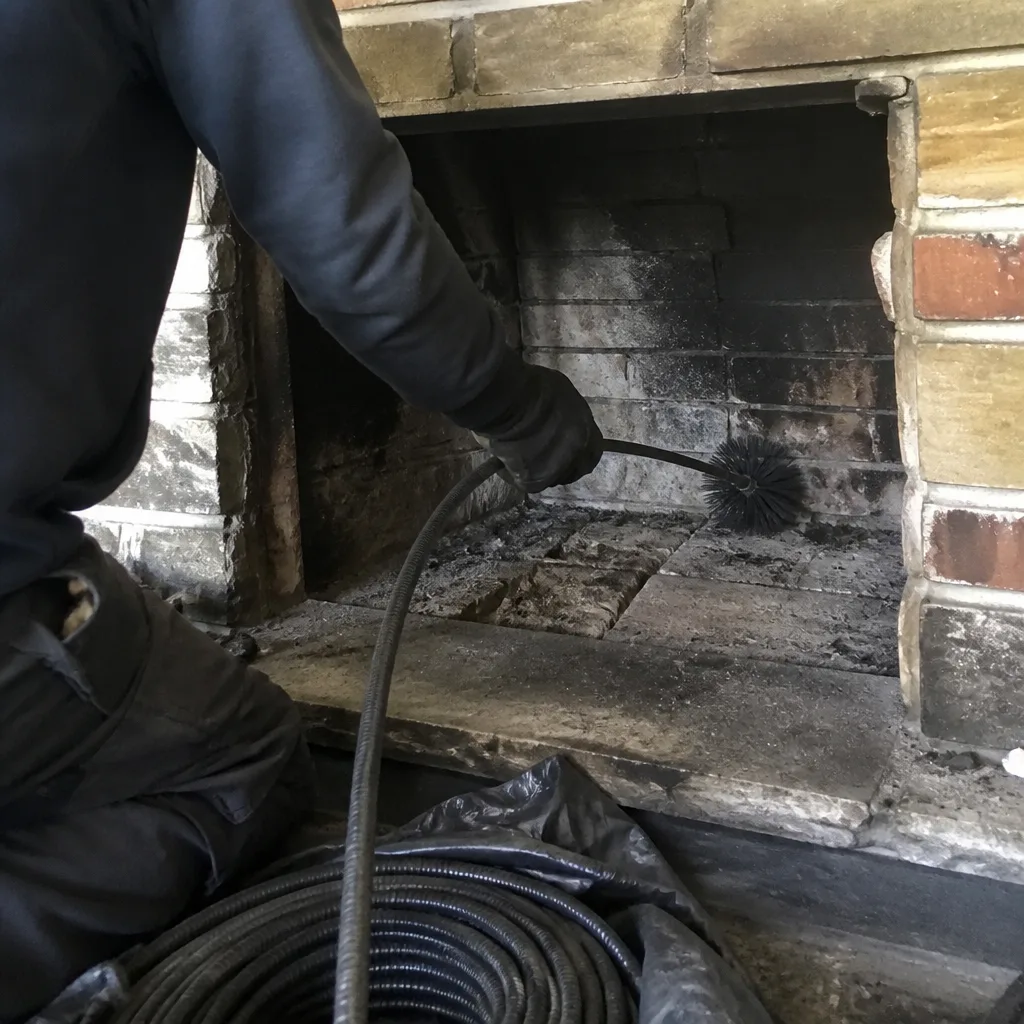 Before
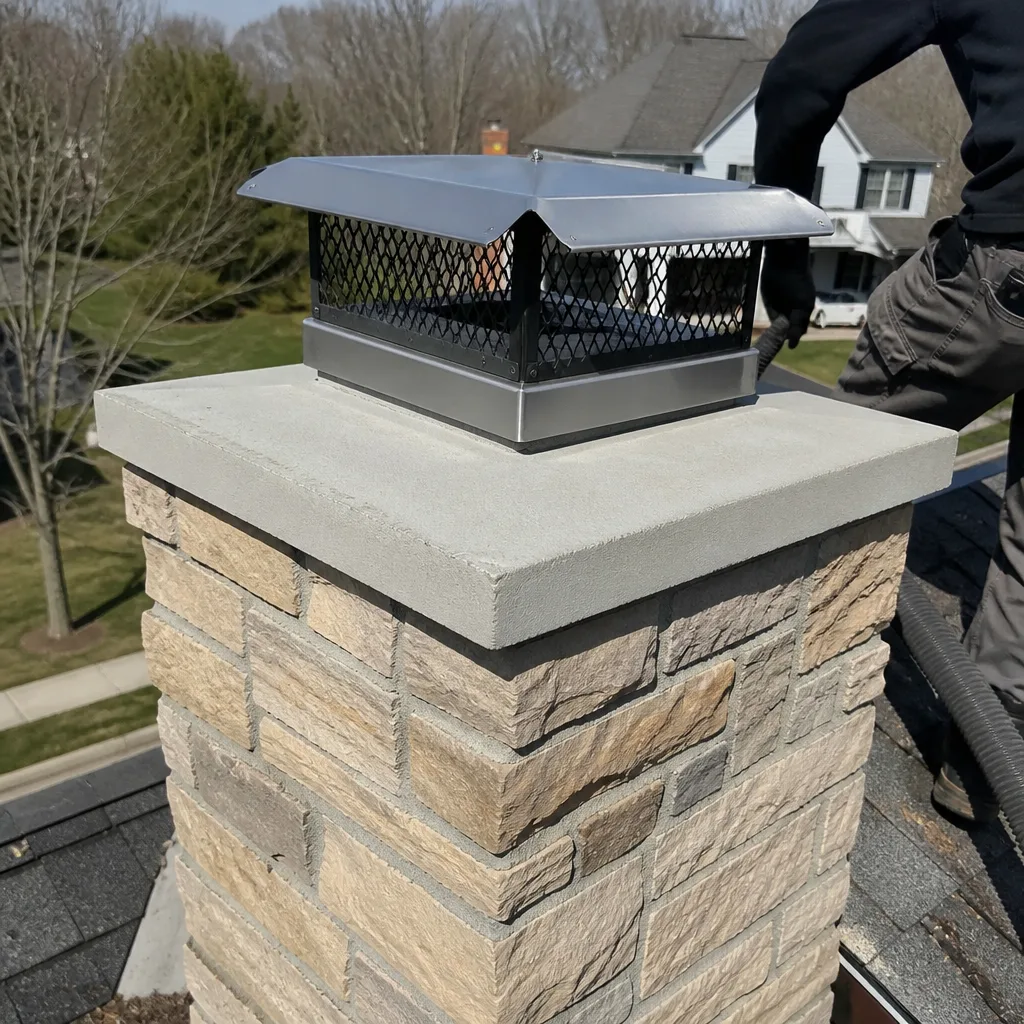 After
AfterChimney Cleaning Permits, Codes & Inspections in PA: What You Need to Know
A chimney liner replacement completed without a permit in Chester County can surface as a material defect on a home sale disclosure - a problem that costs far more to resolve than the permit would have. We’ve seen this scenario repeatedly in Downingtown, where a straightforward real estate transaction stalls because a previous homeowner’s “simple” liner install or wood stove insertion was never filed with the township. Pennsylvania’s Uniform Construction Code (UCC) and the National Fire Protection Association’s NFPA 211 standard create a framework that most homeowners never encounter until something goes wrong. This guide explains which chimney scopes require permits in Chester County, how NFPA 211 and the UCC work together, what a Level 2 inspection actually covers, and how proper documentation protects you at claim time and closing.
Quick Answer
In Pennsylvania, routine chimney cleaning and sweeping do not require a permit, but liner replacements, fireplace insert installations, structural rebuilds, and new appliance connections typically do under the UCC. A Level 2 inspection - the camera-scan standard defined in NFPA 211 - is mandatory for real estate transfers, system modifications, and after chimney fires, and its documentation is what insurance companies and buyers’ attorneys actually want to see.
Table of Contents
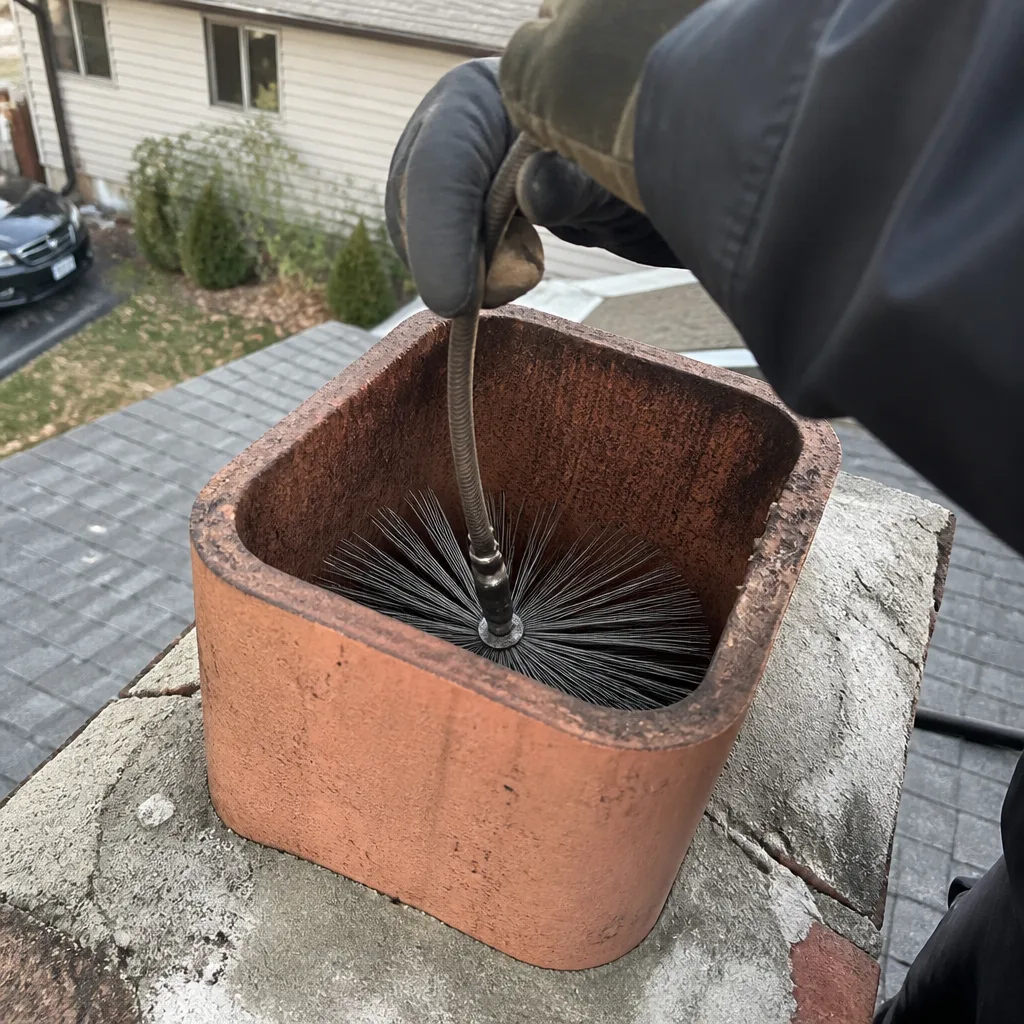
- NFPA 211 vs. Pennsylvania’s UCC: Which Rules Apply
- What Requires a Permit in Chester County (and What Doesn’t)
- What a Level 2 Inspection Is - Legally and Practically
- The Downingtown Borough and East Caln Township Permit Process
- How Insurance Companies Use Inspection Documentation
- Common Mistakes to Avoid
- When to Call a Professional
- Frequently Asked Questions
 Before
 After
AfterNFPA 211 vs. Pennsylvania’s UCC: Which Rules Apply
Pennsylvania homeowners navigate two overlapping regulatory systems for chimney work. Understanding which applies when prevents both compliance gaps and unnecessary costs.
NFPA 211 is the Standard for Chimneys, Fireplaces, Vents, and Solid Fuel-Burning Appliances. Published by the National Fire Protection Association, it is a consensus standard written by fire marshals, insurers, engineers, and industry professionals. It is not state law in Pennsylvania, but it is incorporated by reference into the UCC and adopted by most municipalities. NFPA 211 defines inspection levels, clearances, construction methods, and maintenance frequencies. When we perform a Chimney Cleaning & Sweep in Downingtown, we work to NFPA 211 standards regardless of whether a permit is required.
Pennsylvania’s Uniform Construction Code (UCC), Act 45 of 1999, is state law. It adopts the International Residential Code (IRC) and International Building Code (IBC) with Pennsylvania amendments, and these codes reference NFPA 211 for chimney-specific requirements. The UCC is enforced by municipal building code officials - in Downingtown, that’s the Borough’s Code Enforcement Officer; in surrounding townships like East Caln, West Bradford, and East Bradford, it’s the township’s appointed inspector or a third-party agency like Code Administration Services.
The critical distinction: NFPA 211 governs how work is performed. The UCC governs whether work must be permitted and inspected. A chimney sweep can follow NFPA 211 perfectly and still create a liability if the UCC required a permit that was never pulled.
Here’s where they intersect for common projects:
| Project Type | NFPA 211 Governs | UCC Permit Required? |
|---|---|---|
| Routine cleaning/sweeping | Yes - frequency, access, debris removal | No |
| Level 1 or 2 inspection | Yes - scope, documentation | No |
| Liner replacement | Yes - sizing, material, connection | Yes - mechanical permit |
| Fireplace insert installation | Yes - clearance, venting, hearth | Yes - mechanical + building permit |
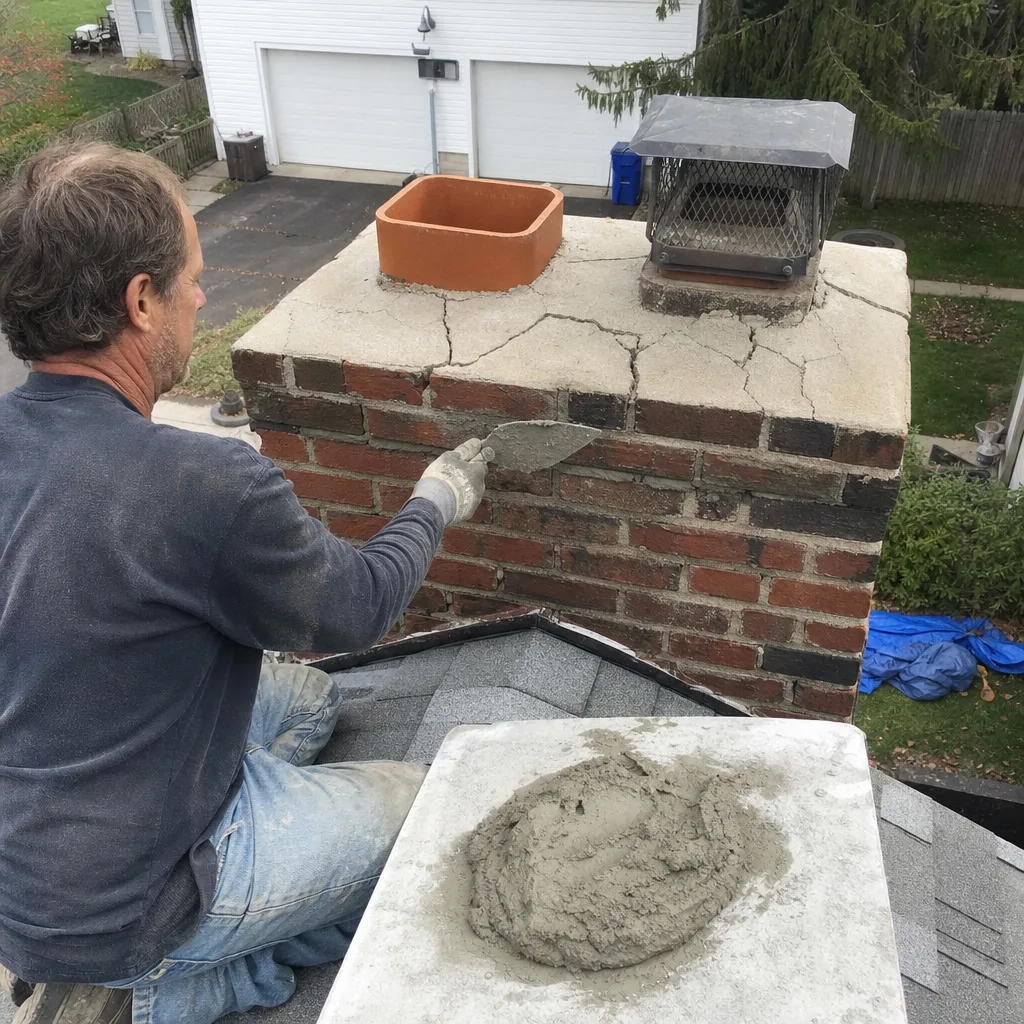
| Crown rebuild (structural) | Yes - slope, overhang, reinforcement | Yes - building permit if >25% replacement |
| Cap installation | Yes - screening, sizing | No (unless part of larger permitted scope) |
| Smoke chamber parge coating | Yes - thickness, material (HeatShield, etc.) | Varies by municipality |
In Downingtown’s climate - freeze-thaw cycles from November through March, with humidity that accelerates spalling on south-facing crowns - the material specifications in NFPA 211 matter for longevity. But the permit requirement determines whether your warranty and insurance coverage will hold.
What Requires a Permit in Chester County (and What Doesn’t)
Chester County municipalities generally follow the UCC with local amendments. The permit trigger is not the dollar amount of the work. It is the type of work performed. We’ve pulled permits in Downingtown Borough, East Caln Township, West Bradford Township, and East Bradford Township, and the pattern is consistent once you know what to ask.
Work That Requires a Permit
- Chimney liner replacement or relining. Whether we’re installing a stainless steel DuraFlex liner or applying a cast-in-place HeatShield product, this is considered mechanical work under the UCC. The permit ensures the liner is sized correctly for the appliance and listed for the fuel type.
- Fireplace insert or stove installation. Any solid-fuel-burning appliance connected to a chimney requires a mechanical permit. In Downingtown’s older housing stock - particularly the stone farmhouses in the 19335 zip and the 1960s-1980s colonials near Marsh Creek - we’ve found unlisted inserts connected to unlined flues that were never permitted.
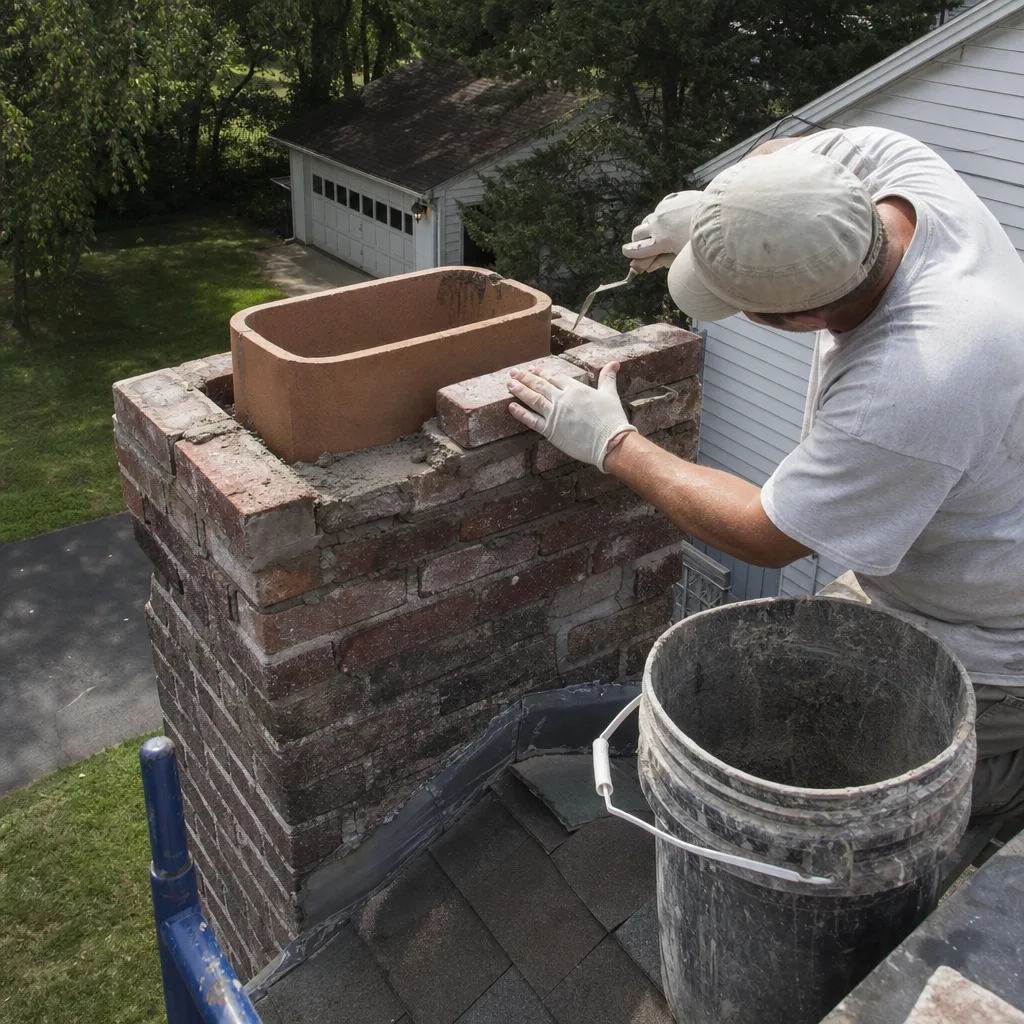
- Structural crown or masonry rebuild exceeding 25% of surface area. East Caln Township interprets this strictly: if you’re removing and replacing more than one-quarter of the crown or rebuilding courses of brick above the roofline, it’s a building permit.
- New chimney construction. Full rebuilds require both building and mechanical permits, with footing inspections if the foundation is disturbed.
- Gas log or gas insert conversion. Fuel type changes trigger mechanical permits and often require a plumber’s certification for the gas line.
Work That Typically Does Not Require a Permit
- Routine chimney sweeping and cleaning. This is maintenance, not construction. Our Chimney Cleaning & Sweep in Downingtown service includes the Level 1 or 2 inspection, debris removal, and a condition report - no permit needed.
- Chimney cap installation (standalone). A cap with proper screening and flue-specific sizing is considered a maintenance accessory.
- Minor tuckpointing below 25% of visible surface. This varies - West Bradford requires notification for any scaffold work, even without a full permit.
- Waterproofing and crown sealing. Surface treatments that don’t alter structure or appliance connections.
The gray area is smoke chamber parging with products like HeatShield. Some Chester County inspectors treat this as liner work (permit required); others view it as surface restoration (no permit). We verify with the specific municipality before starting, and we document the determination in writing under Haven Standard Clause 1 - written scope before work starts.
What a Level 2 Inspection Is - Legally and Practically
NFPA 211 defines three inspection levels. Level 1 is visual, accessible surfaces only - what you get with a flashlight and a mirror. Level 2 adds internal camera scanning of the flue, accessible portions of the smoke chamber, and examination of the exterior from roof or ladder. Level 3 involves demolition of building materials to access concealed areas, triggered only when Level 2 indicates a hazard that cannot be evaluated otherwise.
Level Two Chimney Co. is named for the inspection standard we made our default in 2009. At that time, most competitors in the Downingtown market charged extra for camera access or didn’t offer it. We built our practice on Clause 4 of the Haven Standard: a documented photo record on every visit, included as standard, not optional.
When Level 2 Is Mandatory Under NFPA 211
- Real estate transfer. The standard explicitly calls for Level 2 when a property changes hands. In Downingtown’s active market - where homes in the Downingtown Area School District attract multiple offers - buyers’ inspectors and attorneys increasingly request the NFPA 211 inspection report by name.
- System change. New liner, new appliance, fuel conversion, or modification to the venting path. The camera verifies that the change was executed properly and that no new damage was introduced.
- After a chimney fire. Even a small fire can crack tile liners or damage mortar joints. Level 2 determines whether the system is safe to use or requires repair before next burn.
- External event. Lightning strike, earthquake, or structural impact (tree fall, vehicle collision) that may have compromised the chimney.
What the camera actually shows: we document flue liner condition (tile, stainless steel, or cast-in-place), creosote classification (Class I flaky, Class II tar-like, Class III glazed - the most dangerous), mortar joint integrity, offset or misalignment, and obstruction. The homeowner receives the photo file and a written narrative. Insurance adjusters and real estate attorneys know what to do with this. A verbal “looks fine” from a sweep with a flashlight is not the same document.
We’ve inspected chimneys in Downingtown’s historic district near Brandywine Creek where the original 1890s brick liners are still in service, and we’ve found Class III creosote so thick it reduced flue diameter by 40%. The camera doesn’t speculate. It shows what exists.
The Downingtown Borough and East Caln Township Permit Process
Homeowners in Downingtown sometimes need to pull their own permit, particularly when they’re acting as their own general contractor or when a previous owner’s unpermitted work needs to be brought into compliance. Here’s the actual process for the two jurisdictions we serve most frequently.
Downingtown Borough
- Contact the Code Enforcement Office. Located at Borough Hall, 4 West Lancaster Avenue. Request a mechanical permit application for chimney liner or insert work, or a building permit for structural rebuilds.
- Submit supporting documents. Manufacturer’s specification sheet for the liner or appliance (we provide this for DuraFlex, Olympia Chimney, or other materials we install), a written scope of work, and a site plan showing chimney location.
- Pay permit fee. Fees scale by project value; a typical liner replacement runs $150-$250 for the permit itself.
- Schedule rough inspection. For liner work, this occurs after the liner is dropped but before final connection, so the inspector can verify sizing and clearance.
- Schedule final inspection. After completion, the inspector verifies proper termination, clearances, and appliance connection. A passed inspection generates a certificate of completion.
East Caln Township
- Submit through the Township office or designated third-party inspector. East Caln uses Code Administration Services for some inspection types; verify current assignment before applying.
- Include UCC-compliant plans. The Township requires NFPA 211 compliance documentation for mechanical permits. Our written scope satisfies this requirement.
- Allow 5-10 business days for review. East Caln’s volume is lower than Downingtown Borough’s, but plan review times vary seasonally.
- Coordinate inspections. Rough and final inspections follow the same sequence as Downingtown. The Township inspector will want to see the manufacturer’s installation instructions on-site.
West Bradford and East Bradford Townships follow similar procedures with minor variation in fee schedules and whether they accept electronic submission. We handle permit pulling as part of our project management for any permitted scope - it’s included in our written price, not added as a surprise line item.
One Downingtown-specific note: homes in the floodplain near the East Branch Brandywine Creek may require additional elevation verification for chimney footings if the foundation is disturbed. We’ve encountered this on properties near Kerr Park and the Struble Trail corridor.
How Insurance Companies Use Inspection Documentation
The difference between a paid claim and a denied claim often comes down to documentation that existed before the loss event. This is where the Haven Standard’s documentation requirements prove their value beyond compliance.
Scenario 1: Chimney fire after cleaning. A homeowner in Downingtown’s Bradford Hills neighborhood had a flue fire six weeks after a competitor’s “cleaning.” The competitor provided no photos, no creosote classification warning signs, and no written report. The insurer denied the claim, arguing the cleaning was inadequate and the fire was a maintenance failure. A Level 2 inspection with Class III creosote documentation would have established pre-existing condition - or proven the cleaning was performed to standard.
Scenario 2: Liner failure during home sale. A seller in East Caln Township disclosed a “new liner” installed in 2019. The buyer’s inspector found no permit on file. The sale stalled for three weeks while the seller retroactively permitted the work - requiring camera inspection, liner verification, and a $400 late permit fee. The original installer had gone out of business. If the 2019 work had been permitted and documented under Clause 4, the sale would have closed on schedule.
Scenario 3: Carbon monoxide event. A cracked tile liner in a Downingtown colonial allowed CO into the finished basement. The homeowner’s insurer covered medical and remediation costs because we had documented the liner’s deteriorated condition 14 months earlier, with a written recommendation for replacement that the homeowner had elected to defer. The documented warning established that the hazard was known and the insurer’s duty to cover the resulting damage was clear.
Insurers increasingly use third-party risk assessment services that flag unpermitted structural work. A permitted, inspected liner installation with a certificate of completion and photo record is a defensible asset. An undocumented installation is a liability that can affect both claims and premiums.
Our 38,000+ inspections since 2009 have generated a documentation archive that has supported dozens of insurance claims, real estate disclosures, and warranty disputes. We don’t guess at what was found. We show it.
Common Mistakes to Avoid
- Assuming “no permit needed” because the work is “just maintenance.” Liner replacement is not maintenance. In Downingtown Borough, we’ve seen homeowners fined $500 plus the cost of retroactive permitting after a DIY liner install triggered a neighbor complaint.
- Accepting a verbal inspection report. NFPA 211 Level 2 requires documentation. A sweep who won’t provide written findings and photos is not performing a Level 2 inspection, regardless of what they call it.
- Hiring a sweep who cannot or will not pull permits. Some operators avoid permitted work to sidestep inspection scrutiny. If your project requires a permit and your sweep discourages it, that’s a signal to find another contractor.
- Disclosing “unknown” for chimney condition on a sale form. In Pennsylvania’s standard seller disclosure, “unknown” for chimney condition invites buyer scrutiny. A recent Level 2 inspection with clean documentation lets you disclose accurately and confidently.
- Ignoring freeze-thaw damage until fall. Downingtown’s winter temperature swings - 50°F one day, 15°F the next - accelerate crown and mortar deterioration. Spring inspection catches damage before the next heating season, when sweep schedules compress and permit offices backlog.
- Assuming all stainless steel liners are equal. We specify DuraFlex and Olympia Chimney products with listed compliance for specific fuel types. Generic “stainless steel” from an uncertified source may fail inspection or void appliance warranties.
When to Call a Professional
Call a certified chimney professional when you’re buying or selling a home, installing or replacing any appliance connected to a chimney, after any fire or suspected flue damage, or if your last inspection was more than 12 months ago and you burn regularly. In Downingtown, where many homes rely on fireplaces for supplemental heat during pipeline pressure events or outages, annual inspection is prudent maintenance, not over-caution.
Level Two Chimney Downingtown offers free estimates in Downingtown and surrounding Chester County municipalities. Every estimate includes a written scope, written price, and written warranty before any work begins - Haven Standard Clause 1. We pull permits when required, document every inspection with camera footage and photos under Clause 4, and back every job with our 365-Day Done Right Promise. Call (484) 558-2798 to schedule.
Frequently Asked Questions
No. Routine chimney cleaning and sweeping are maintenance activities that do not require a permit under Pennsylvania’s UCC. A permit is required only when you’re altering the structure, replacing the liner, or installing or modifying an appliance connected to the chimney. If you’re unsure whether your scope requires a permit, call (484) 558-2798 and we’ll verify with your municipality before quoting.
A standard chimney cleaning and Level 2 inspection in the Downingtown area typically runs $250-$400, depending on flue accessibility, creosote accumulation, and whether the chimney serves a fireplace, insert, or heating appliance. We deliver a written price before work starts - no “call for a quote” - and every service includes camera inspection and a documented photo record. Call (484) 558-2798 for an exact quote; estimates are free.
NFPA 211 is a national consensus standard that defines how chimney work should be performed and what inspections should cover. A building code inspection, conducted by your municipality’s code official, verifies that the work was permitted and complies with the UCC, which incorporates NFPA 211 by reference. NFPA 211 governs quality; the UCC governs legal compliance. You need both for permitted work.
You need a new liner when the existing one is cracked, improperly sized for the appliance, unlisted for the fuel type, or missing entirely - conditions we verify with camera inspection, not speculation. In Downingtown’s older homes, particularly pre-1950s construction near the historic district, we’ve found unlined brick flues that were never safe for modern appliance output. We show you the camera footage, explain the hazard in plain terms, and tell you when work can safely wait versus when it cannot. Nothing is recommended without photo evidence you can see for yourself.
NFPA 211 recommends annual inspection for all chimneys, fireplaces, and venting systems. In Downingtown’s climate - with heavy spring rains, humid summers that accelerate mortar deterioration, and freeze-thaw cycles that stress crowns and flue tiles - annual inspection is particularly warranted for masonry chimneys. If you burn wood more than three times per week during heating season, consider sweeping annually as well, even if inspection alone might otherwise suffice on a longer interval.
Skipped maintenance leads to creosote accumulation (a leading cause of chimney fires), undetected liner damage that can allow carbon monoxide into living spaces, and accelerated masonry deterioration that turns minor crown repairs into full rebuilds. In Chester County, we’ve responded to chimney fires in homes where the last “inspection” was a flashlight glance five years prior. The cost of prevention is predictable; the cost of failure is not. Call (484) 558-2798 to schedule before the fall rush.
The Bottom Line
Pennsylvania’s chimney regulatory framework is not complicated, but it is specific. Routine cleaning requires no permit but should meet NFPA 211 standards; see our more guides & resources for additional homeowner references. Liner replacement, insert installation, and structural rebuilds require municipal permits under the UCC. A true Level 2 inspection with camera documentation protects your insurance coverage, your real estate transaction, and your household’s safety. In Downingtown and Chester County, the homeowners who fare best are those who treat documentation as seriously as the work itself - written price, written scope, written warranty, and a photo record that outlasts any verbal promise.
Written by Corrine Halstead, Owner at Level Two Chimney Downingtown, serving Downingtown since 2009.