
Last updated September 22, 2026
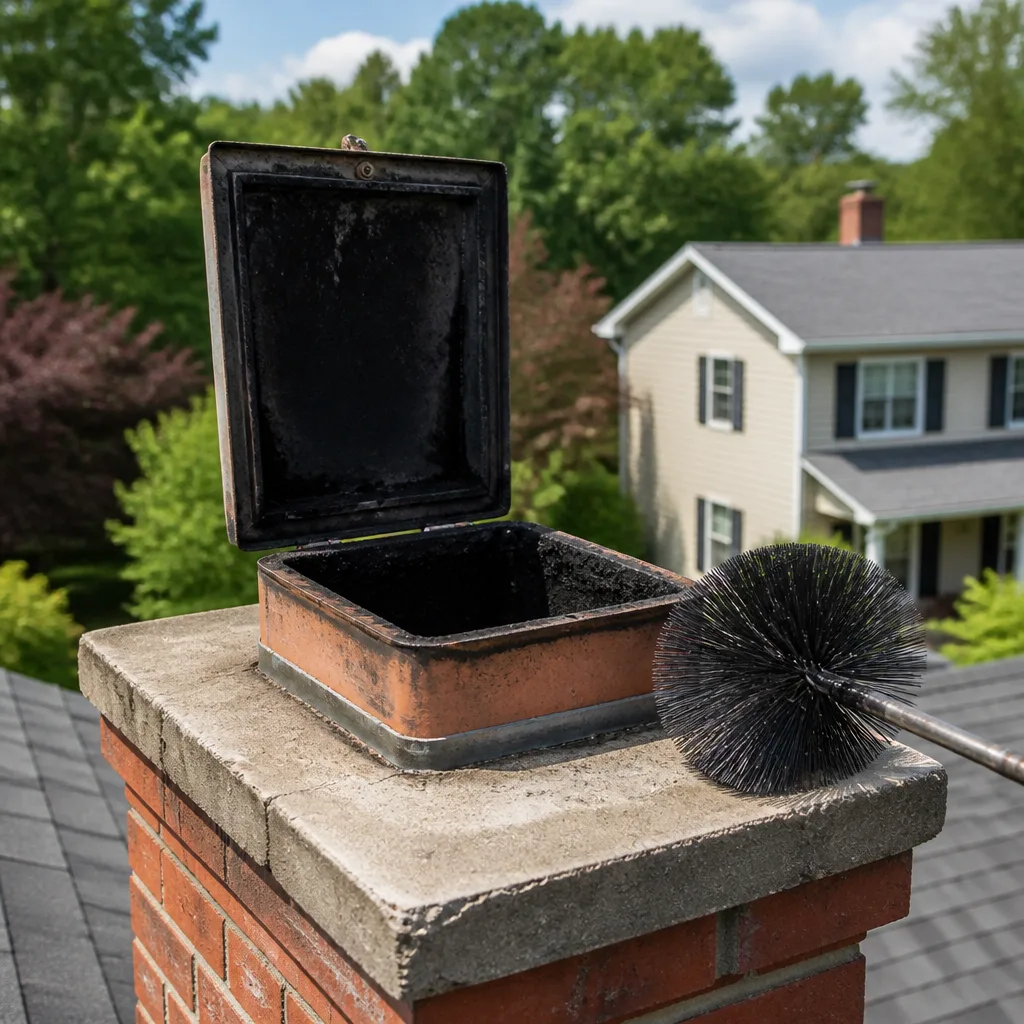
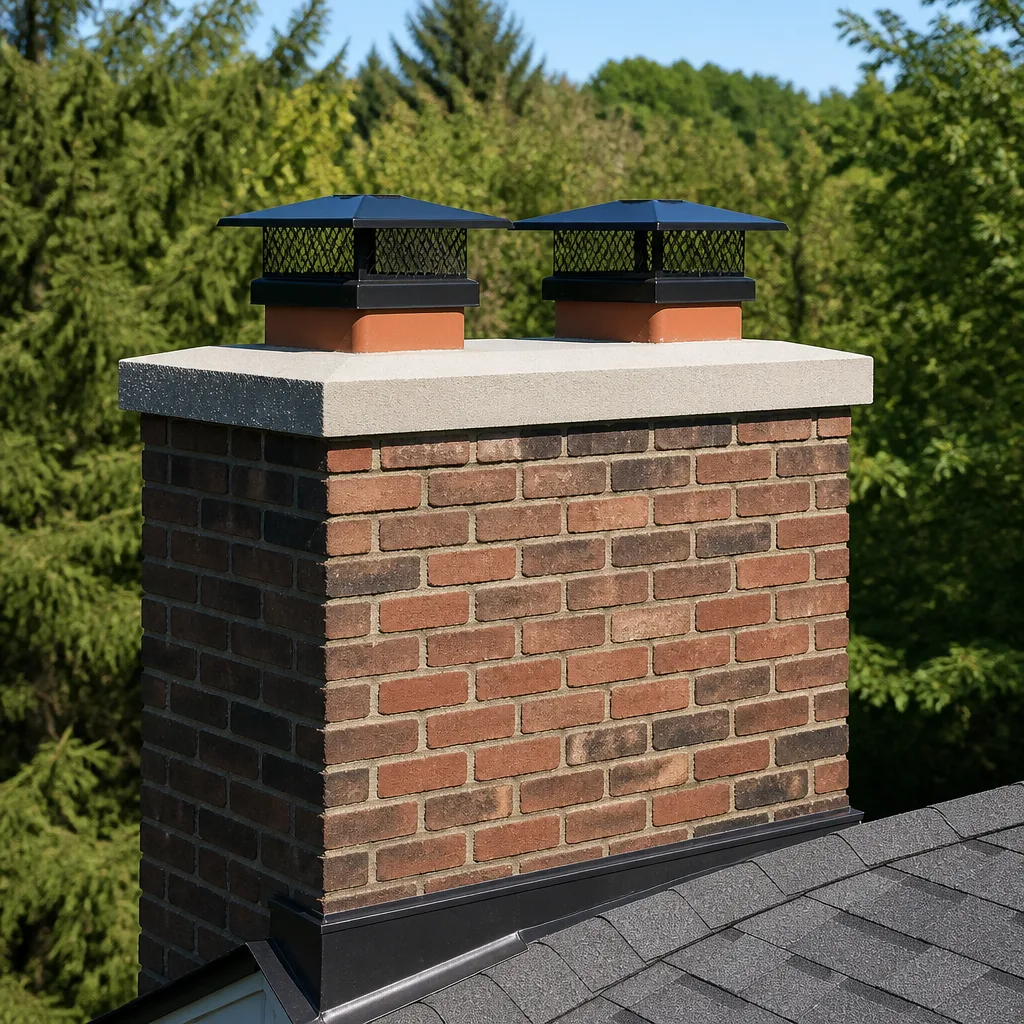
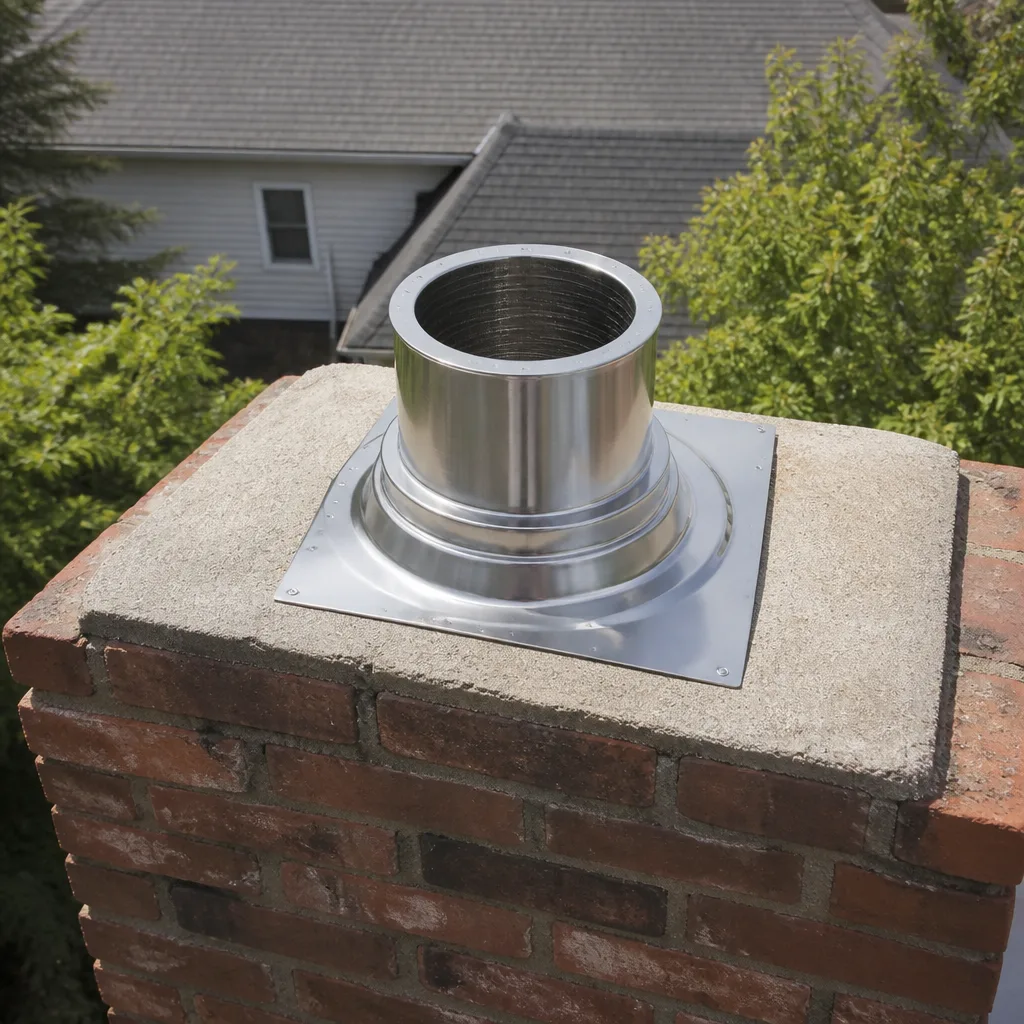
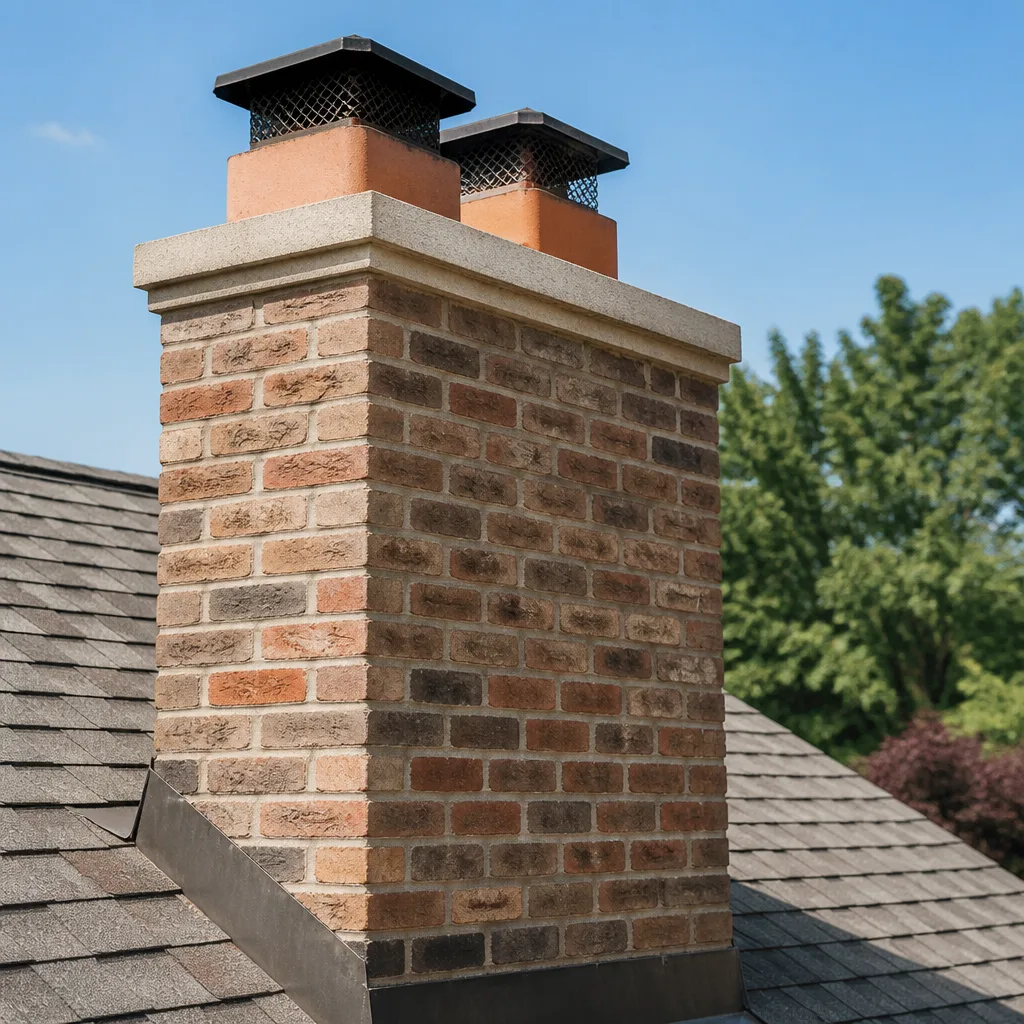
Level 1 sweep and inspection to the NFPA 211 annual standard - flue, crown, cap, and flashing checked and photographed
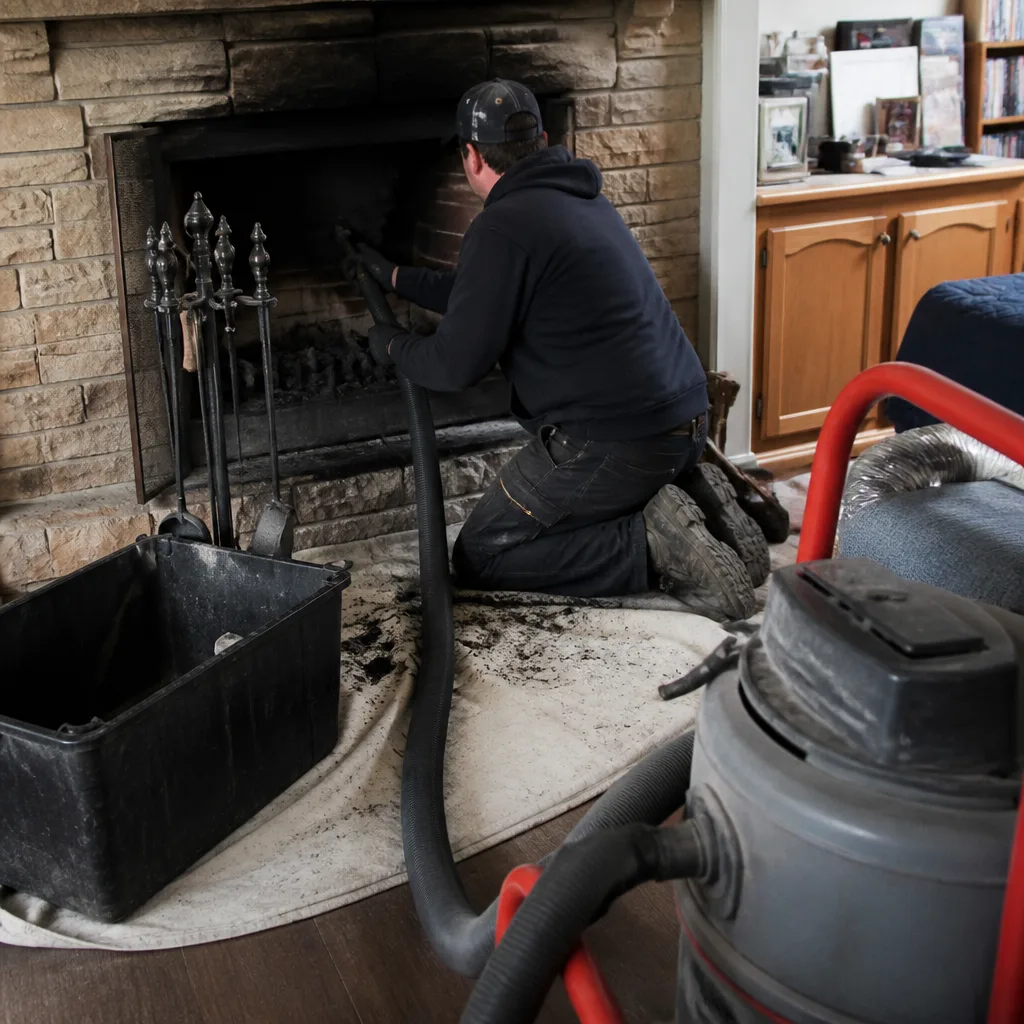
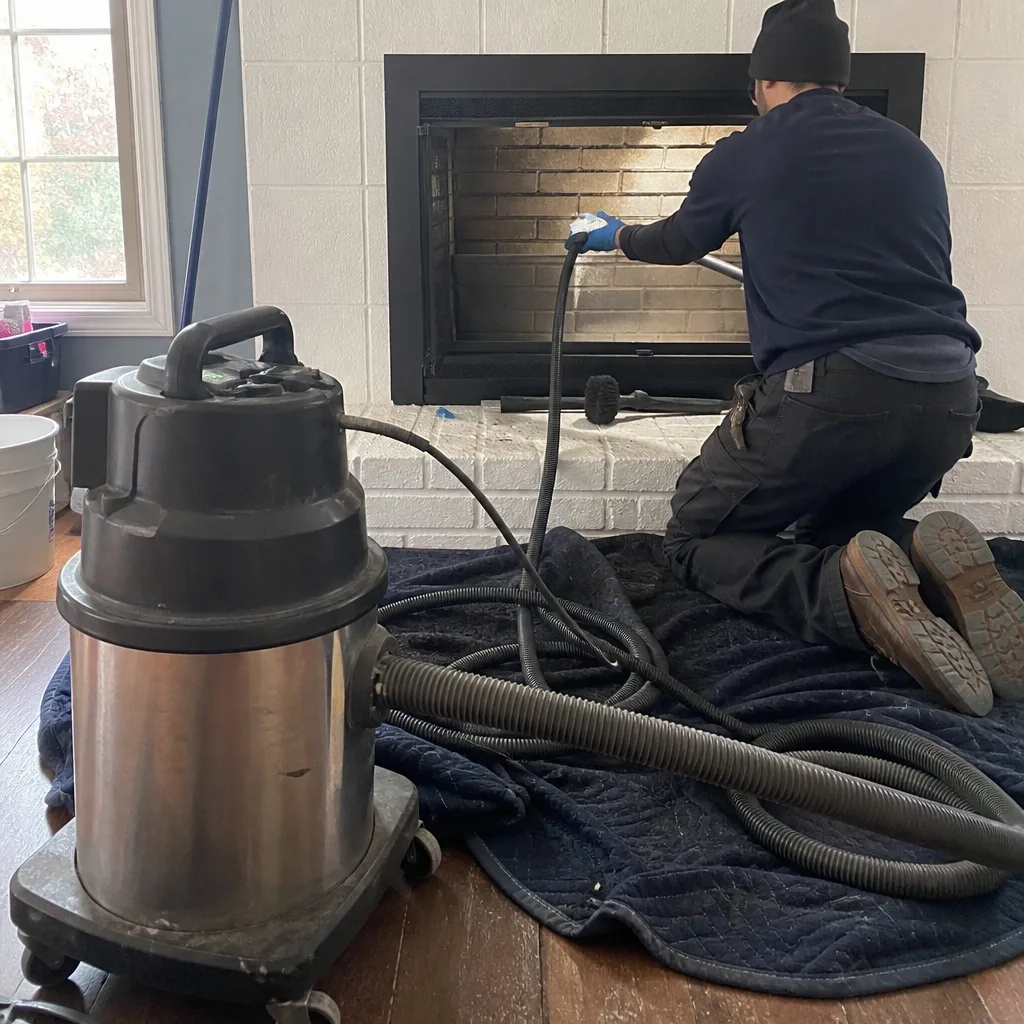
Chimney sweep logs do not sweep chimneys. They loosen some creosote - which then falls where a brush and vacuum still have to collect it.
 Before
 After
After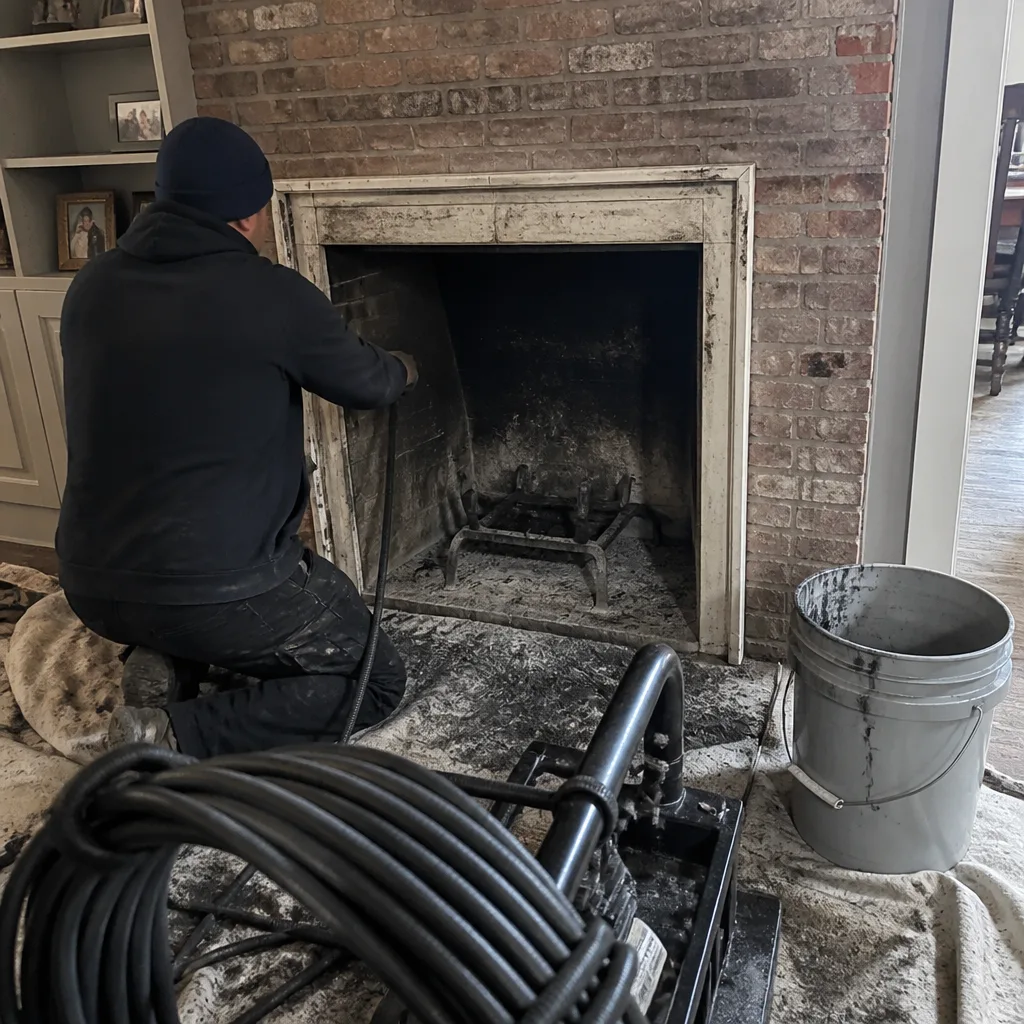 Before
 After
After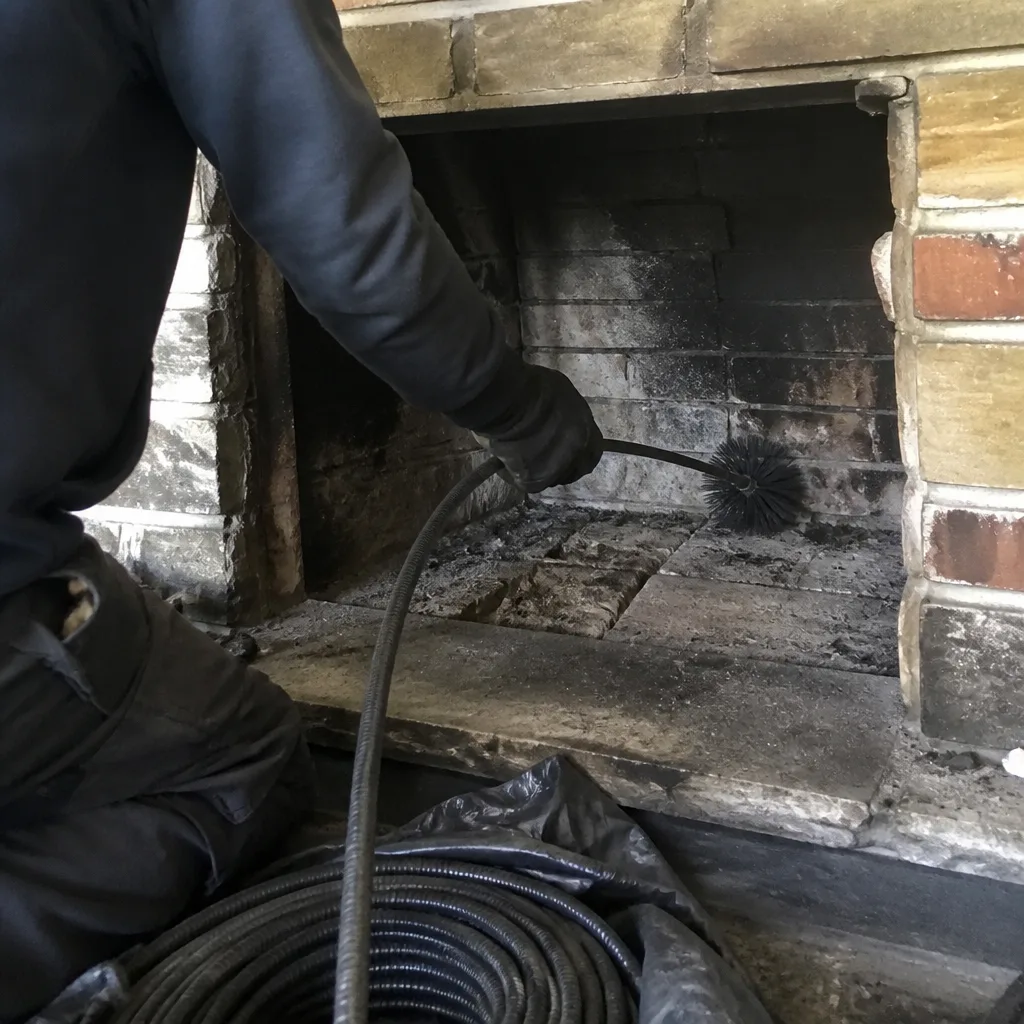 Before
 After
AfterThe Complete Guide to Chimney Cleaning in Downingtown
The National Fire Protection Association estimates that 25% of home heating fires start in chimneys that were recently “cleaned” but never properly inspected. In Downingtown, where Colonial-era farmhouses sit beside 1990s subdivisions and Victorian row homes line streets near the train station, that distinction matters more than most homeowners realize. A brush pushed up a flue removes loose soot. It does not reveal a cracked liner hidden behind a smoke shelf, nor does it document the condition a homeowner needs to file an insurance claim after a fire. This guide maps what a complete chimney cleaning actually produces: what gets removed, what gets recorded, and what written proof you should hold in your hand when the truck leaves your driveway.
Quick Answer
A complete chimney cleaning in Downingtown costs between $199 and $389 for a standard sweep with NFPA 211 Level 2 camera inspection, depending on flue accessibility, creosote buildup severity, and whether the fireplace burns cord wood or gas. The service should leave you with a written scope of work, dated photo documentation of the flue interior, and a signed warranty - not just a carbon-copy receipt. Anything less is a brush job, not a documented cleaning.
Table of Contents
- The Difference Between a Brush Sweep and a Level 2 Inspection
- Why Downingtown’s Housing Stock Makes the Camera Non-Negotiable
- What Creosote Stages 1, 2, and 3 Look Like - and What Each Costs
- The Documentation You Should Receive at the End
- Chester County’s Burning Patterns and the Hazards They Create
- How to Read a Chimney Cleaning Receipt
- Chimney Cleaning Cost Breakdown in Downingtown
- How Often Should Your Chimney Be Cleaned in Downingtown?
 Before
 After
AfterThe Difference Between a Brush Sweep and a Level 2 Inspection
Most homeowners in Downingtown search for “chimney cleaning” and assume they’re buying one service. They’re actually buying into a category that contains two fundamentally different products, and the gap between them is where safety and liability live.
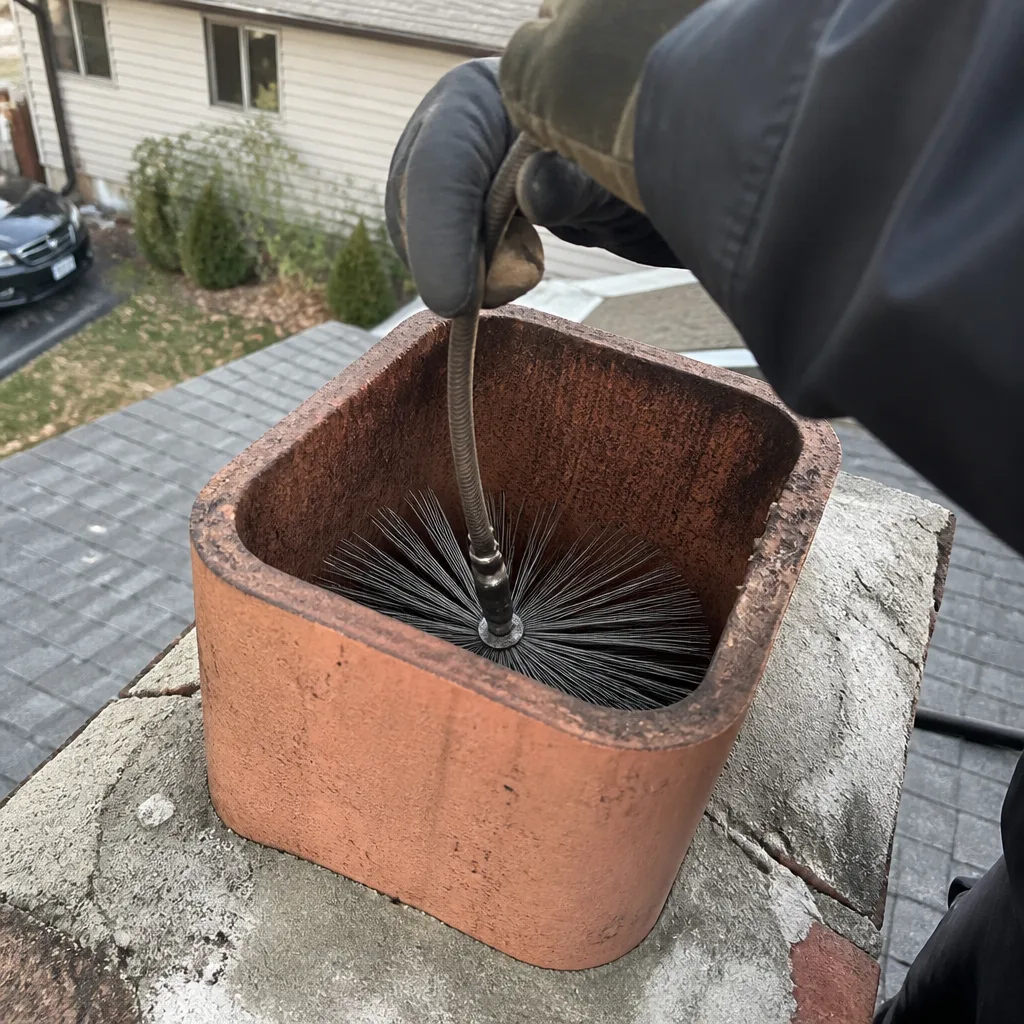
A brush sweep is exactly what it sounds like: a technician runs brushes up the flue to dislodge loose soot and Stage 1 creosote. It takes 30 to 45 minutes. No camera enters the flue. No documentation of the liner condition is produced. The technician may shine a flashlight up from the firebox or down from the roof, but a flashlight cannot see around the smoke chamber bend or inspect the full circumference of a terracotta liner for hairline cracks.
An NFPA 211 Level 2 inspection - the standard Level Two Chimney Downingtown home has performed on every job since 2009 - includes the brush sweep plus a video camera scan of the entire flue interior, from firebox to crown. The camera documents liner condition, joint separation, mortar deterioration, and creosote staging. Clause 4 of the Haven Standard requires this photo record on every job, archived and available to the homeowner on request.
The functional difference matters in three specific ways:
- Insurance claims: After a chimney fire, insurers increasingly request documentation of pre-loss condition. A brush sweep produces none. A Level 2 inspection with dated photos establishes that the liner was intact - or flags the defect that caused the fire.
- Hidden defects: A cracked flue liner can vent carbon monoxide into wall cavities. A flashlight look from the firebox sees the bottom six feet. A camera sees all 25 feet, including the offset bends common in Downingtown’s older homes.
- Repair scope accuracy: Without camera documentation, a company can quote liner replacement based on “what we usually see.” With it, the quote is tied to specific footage of specific damage.
We’ve completed more than 38,000 chimney inspections and cleanings since 2009. In our experience, roughly 30% of Downingtown chimneys that passed a flashlight inspection showed defects on camera that affected safety or repair recommendations.
Why Downingtown’s Housing Stock Makes the Camera Non-Negotiable
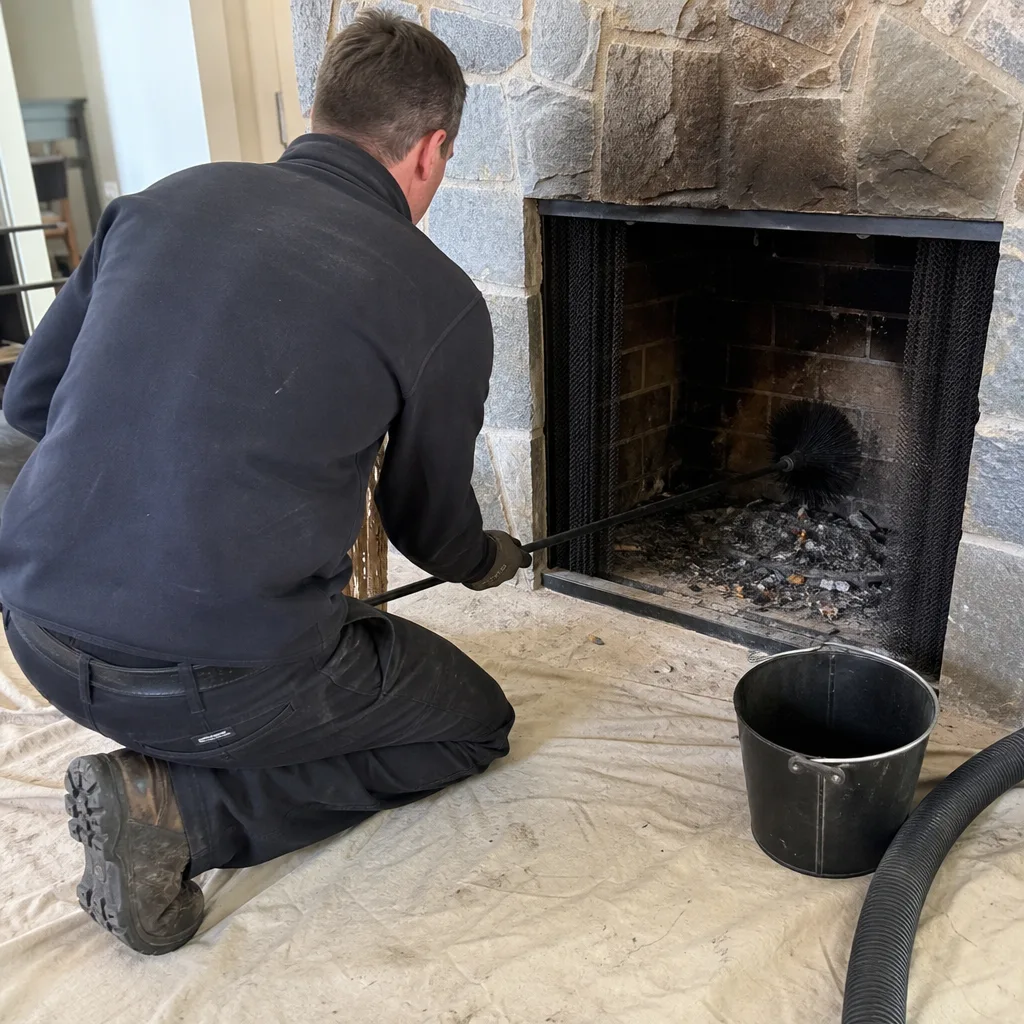
Downingtown sits at the intersection of three distinct construction eras, and each creates inspection challenges a brush sweep cannot address.
Pre-1900 Colonial and Victorian homes in the borough center and along Lancaster Avenue often have unlined brick flues or early terracotta liners installed in the 1920s. These liners were built from short, hand-pressed clay segments joined with lime mortar. After 80 to 150 years of thermal cycling, the mortar erodes and the segments shift. A camera scan reveals joint gaps that vent combustion gases into masonry walls. A brush sweep pushes past them without notice.
Mid-century ranch and Cape Cod homes in the 1950s-1970s rings, particularly north of Route 30 toward Wallace Township, frequently have poured pumice liners or early stainless steel inserts. Pumice liners crack from thermal shock - a hot fire followed by a cold Downingtown rain down the flue. Stainless inserts from the 1960s and 1970s were often undersized for modern fireplace openings or installed without proper clearance to combustibles.
1990s-2010s subdivisions in Uwchlan and East Caln townships typically have factory-built metal chimneys or properly lined masonry, but they suffer from a different problem: conversion. Many were built with wood-burning fireplaces that homeowners later fitted with gas logs or inserts. The original flue liner, sized for wood combustion temperatures, may be oversized for gas, causing condensation and accelerated corrosion that a camera catches and a brush misses.
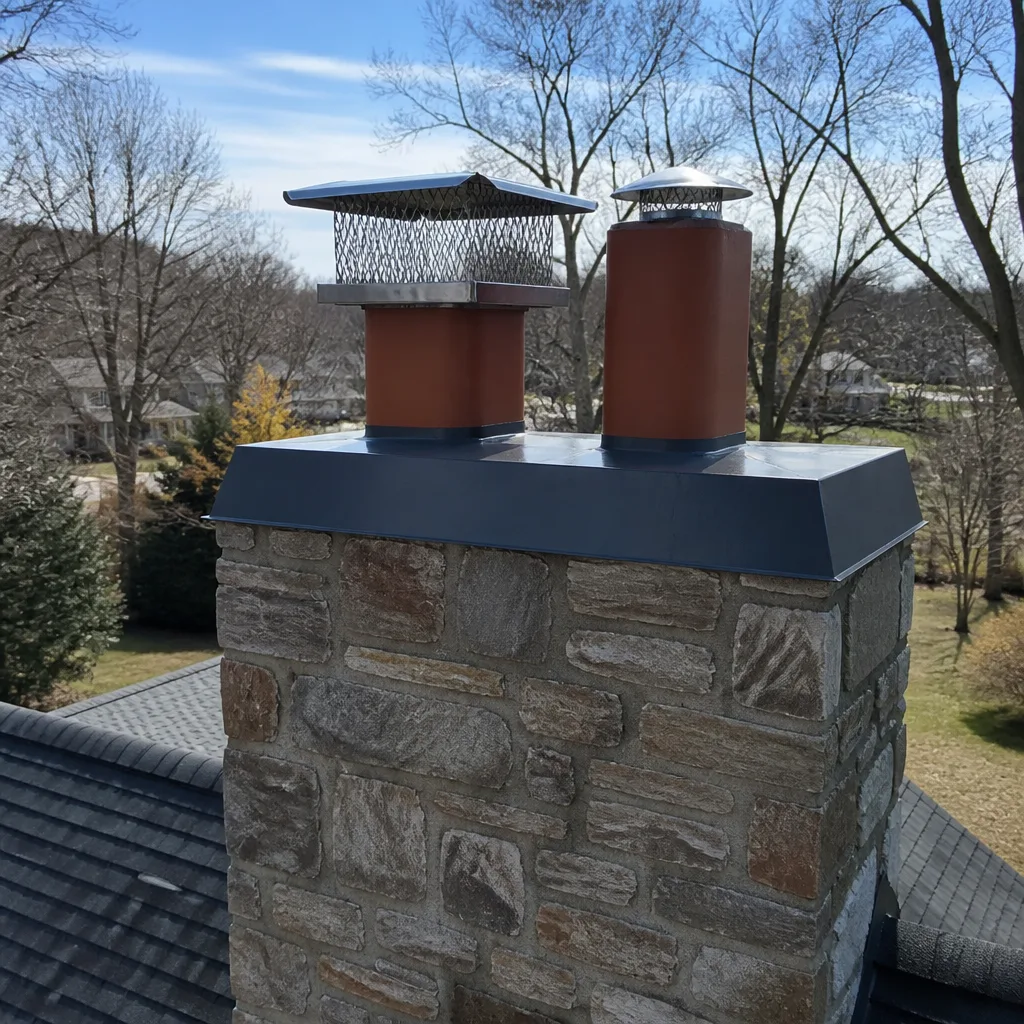
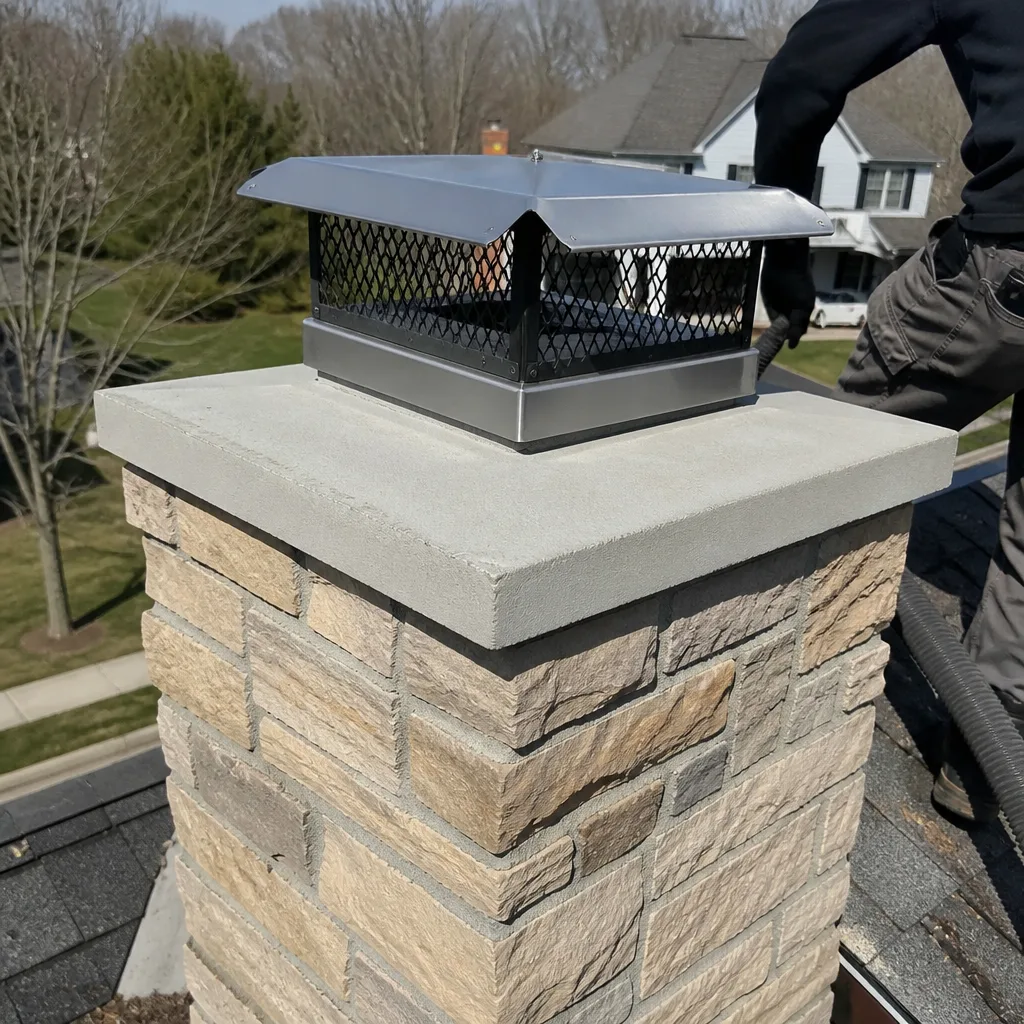
Chester County’s freeze-thaw cycle accelerates all of this. Water enters through deteriorated crowns or missing caps, freezes in January and February, and expands cracks that were hairline in autumn. By March, a liner that was marginal is failed. Camera documentation in October, before burning season, captures this progression while there’s still time to schedule repairs.
What Creosote Stages 1, 2, and 3 Look Like - and What Each Costs
Creosote is not a single substance. The NFPA and Chimney Safety Institute of America recognize three distinct stages, and each requires different removal methods and carries different cost implications. Here’s what we actually see on camera in Downingtown homes.
Stage 1 (Soot): Light, powdery, black or gray deposit that brushes off easily. Common in gas fireplaces and well-maintained wood burners burning seasoned hardwood. On camera, it looks like a thin film coating the liner walls. Removal is included in the standard sweep.
Stage 2 (Glazed or flaky creosote): Hardened, shiny black or brown layers that form when smoke condenses on cooler flue surfaces. Common in Downingtown homes where homeowners burn partially seasoned wood or restrict air flow to extend burn time. On camera, it appears as flaky, reflective patches that peel away from the liner in sheets. Requires rotary whipping or chemical treatment before brushing. Adds $75-$150 to the base sweep cost.
Stage 3 (Glazed, hardened, or “tar” creosote): Dense, shiny, rock-hard deposit that is literally flammable enough to sustain chimney fires. On camera, it looks like black glass coating the liner, sometimes reducing flue diameter by 25% or more. Common in fireplaces used as primary heat sources, in homes where green or softwood is burned, or where previous brush sweeps packed Stage 2 material into harder layers. Requires chemical treatment over multiple visits or mechanical removal with specialized chains and whips. Adds $200-$450 depending on thickness and liner material.
| Creosote Stage | Appearance on Camera | Removal Method | Added Cost in Downingtown |
|---|---|---|---|
| Stage 1 (Soot) | Thin powdery film | Standard brushes | Included in base sweep |
| Stage 2 (Flaky/Glazed) | Shiny, peeling patches | Rotary whipping or chemical treatment | $75-$150 |
| Stage 3 (Hardened/Tar) | Black glass, diameter reduction | Chemical treatment (multiple visits) or mechanical chains | $200-$450 |
In the West End and near the Downingtown Log House, we’ve seen Stage 3 buildup in chimneys that were “swept” annually by brush-only services that never looked past the first six feet. The creosote hardened above the smoke shelf, invisible to flashlight, until a camera revealed 80% flue obstruction.
The Documentation You Should Receive at the End
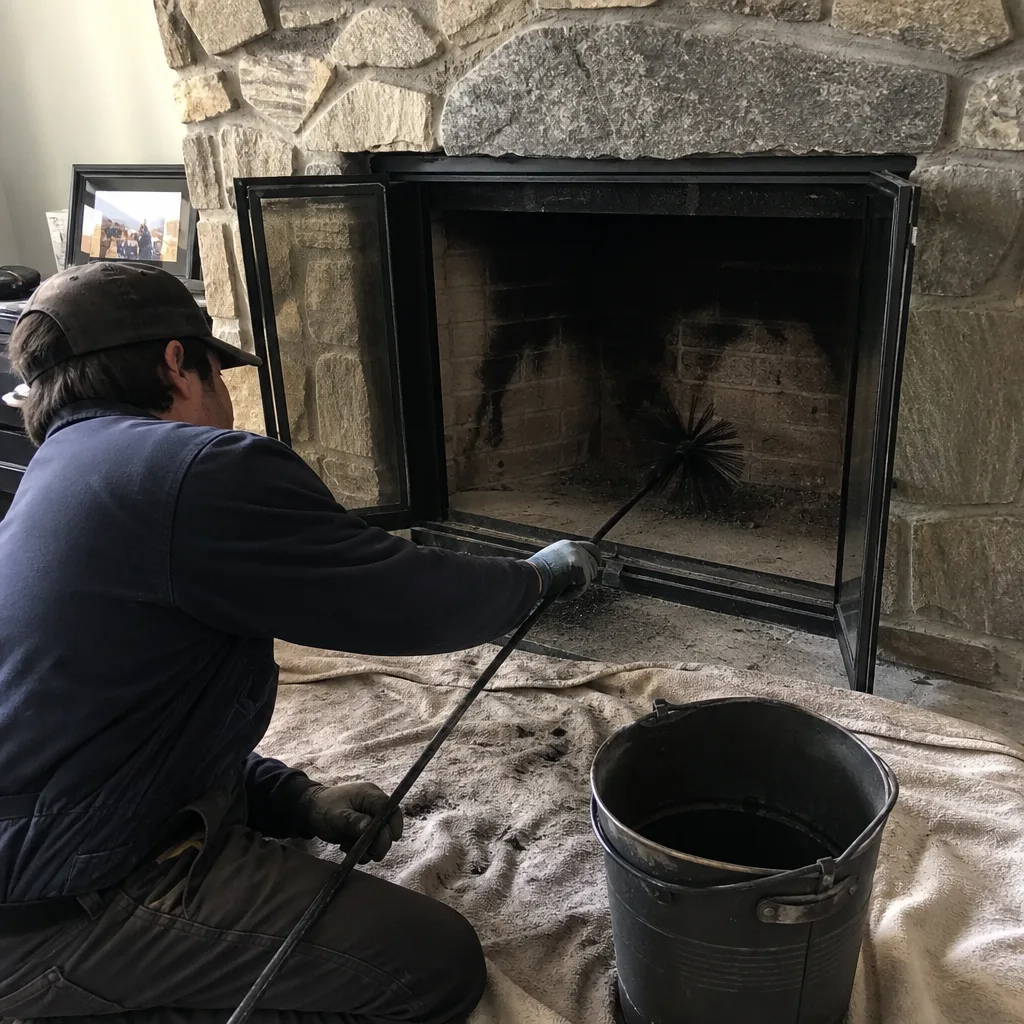
A complete chimney cleaning should leave you with physical evidence, not a verbal summary. Here’s what Clause 1 and Clause 4 of the Haven Standard require, and what you should demand from any service in Downingtown.
- Written scope of work - signed before work begins, stating exactly what will be done, what areas will be accessed, and what equipment will be used. This is your price protection. At Level Two Chimney Co., this document also includes the technician’s name and license information.
- Dated photo or video record of the flue interior - not a single snapshot of the firebox, but sequential footage from firebox to crown showing liner condition, joint integrity, and creosote distribution. Clause 4 of the Haven Standard has required this since 2009. Ask any competitor: “Will I receive camera footage of the full flue, dated, with my invoice?” If the answer is hesitation, you’re buying a brush job.
- Written condition assessment - plain-language description of what was found, what it means, and what timeline applies for any recommended repairs. Not “your liner looks okay” but “the terracotta liner shows 3 inches of exposed clay at the second joint from top, with no structural cracking - monitor annually, repair within 3-5 years.”
- Signed warranty or guarantee - the 365-Day Done Right Promise, stamped on every Level Two job, states that if the work is not done right, we make it right. This is not a satisfaction survey. It’s a written obligation with a phone number and a response commitment.
What does it mean if a company offers none of this? It means they are selling labor, not accountability. In a fire or carbon monoxide incident, your insurance adjuster will ask for documentation of pre-loss condition. A carbon-copy receipt with “chimney sweep - $149” and no photos, no scope, no technician name provides no defense and no recourse.
We’ve provided camera footage from 2017 to help Downingtown homeowners prove that a liner defect predated a disputed home sale. Documentation has value beyond the day of service.
Chester County’s Burning Patterns and the Hazards They Create
Downingtown sits in a mixed-burn county. Rural and semi-rural properties in West Bradford, East Fallowfield, and toward Coatesville burn cord wood as primary or significant supplemental heat. Properties closer to the borough center, the train station corridor, and the Exton retail core have largely converted to gas logs or inserts. Each pattern creates distinct flue hazards that a flashlight inspection will not catch.
Cord wood burning produces the full creosote progression described above, but Chester County adds a local variable: access to softwood. Eastern red cedar and pine are common on local properties and burn fast and hot with high moisture content if not seasoned 18-24 months. Homeowners who burn fallen wood from their own property often burn it too green. The result is accelerated Stage 2 and Stage 3 buildup in flues that were “just swept” 12 months prior.
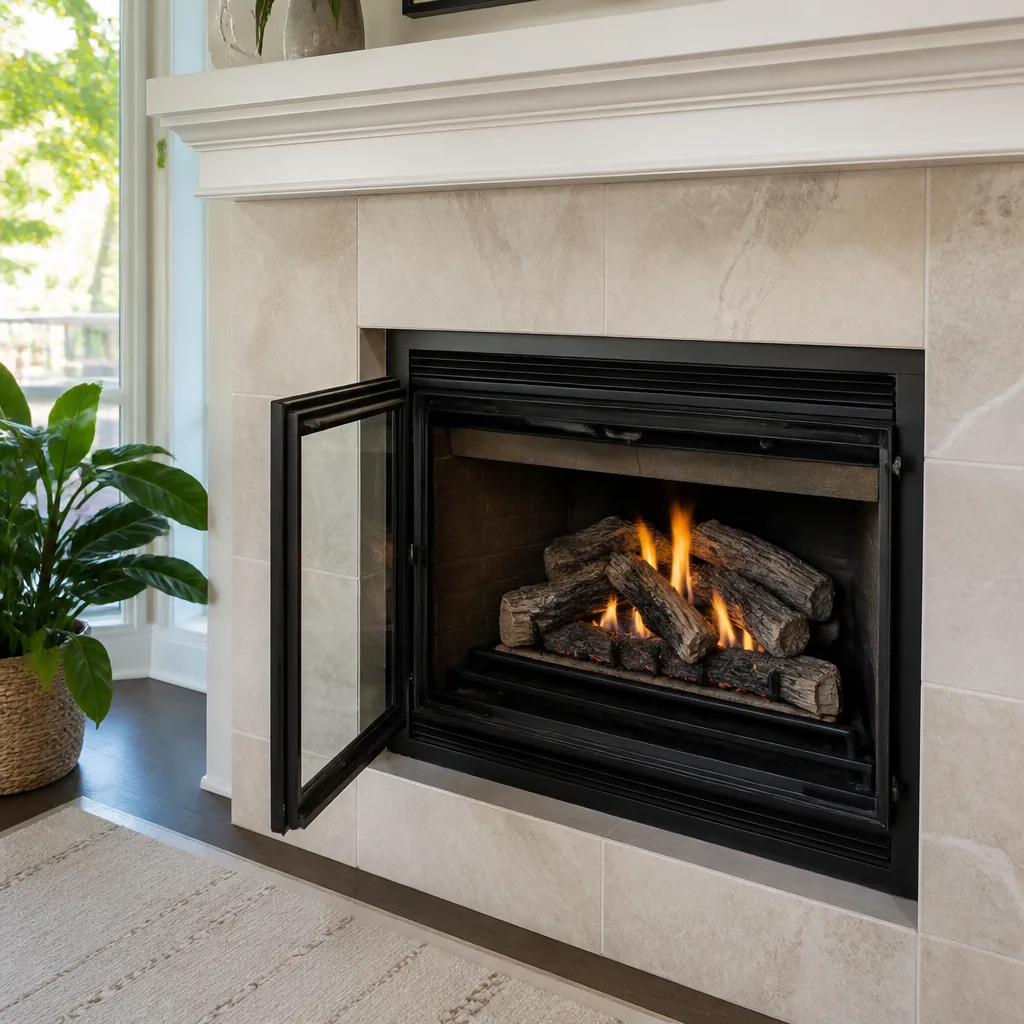
Gas log and insert conversions create a different hazard profile. Gas burns cooler than wood and produces water vapor as a primary combustion byproduct. In an oversized masonry flue - common in pre-1990 Downingtown homes - this vapor condenses on liner walls, mixing with residual soot to form acidic sludge that corrodes terracotta and attacks mortar joints. The damage occurs above the smoke chamber, where a flashlight from below cannot reach. A camera scan reveals flaking liner surfaces and eroded joints that indicate condensation damage.
Hybrid use - gas logs installed in a wood-burning fireplace, with the option to remove them - is particularly risky. The original flue liner was sized for wood temperatures. Gas operation at lower temperatures produces condensation. If the homeowner later removes the gas logs and burns wood again, the damaged liner faces wood-combustion temperatures with reduced structural integrity. We’ve documented this exact progression in homes near Kerr Park and in the Millview neighborhood.
The fireplace services page covers gas-to-wood conversion assessments in more detail.
How to Read a Chimney Cleaning Receipt
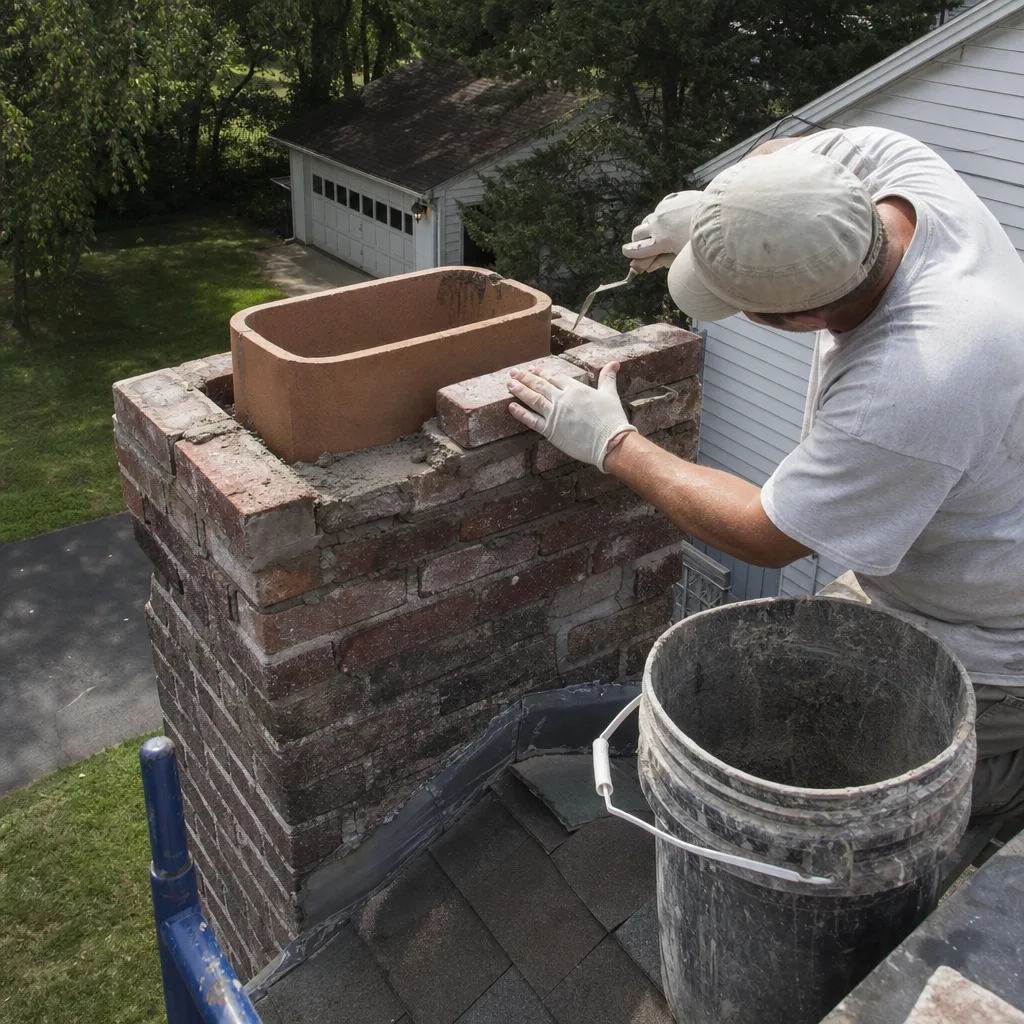
Most homeowners file the receipt and never look at it again. Here’s how to read one to know whether the work done matches what was charged - and whether you have protection if something goes wrong.
Check for these elements:
- Pre-work signature line: Was the scope and price signed before work began, or only after? Post-work pricing is a red flag. Clause 1 of the Haven Standard requires written price before any work starts - always, on every job, no exceptions.
- Technician identification: Is a named technician listed, with license information? Anonymous labor is unaccountable labor.
- Equipment notation: Does the receipt specify “Level 2 inspection with camera scan” or merely “chimney sweep”? Vague language permits vague service.
- Photo documentation reference: Is there a note that photos or video were taken, with a method to access them? “Photos on file” with no access method is functionally equivalent to no photos.
- Warranty language: Is there a written guarantee with a specific duration and a specific remedy? “Satisfaction guaranteed” with no terms is not a warranty.
- Condition summary: Does the receipt state what was found, or only what was done? “Swept flue” tells you activity. “Flue liner intact, no cracks visible on camera, Stage 1 soot only” tells you condition.
If your receipt lacks three or more of these elements, you purchased a brush job at inspection prices. The Chimney Cleaning & Sweep in Downingtown page details what our documentation package includes on every visit.
Chimney Cleaning Cost Breakdown in Downingtown
Price transparency is central to how Level Two Chimney Co. operates. Here’s what chimney cleaning costs in the Downingtown market, with the variables that move the number.
| Service Level | What’s Included | Price Range in Downingtown |
|---|---|---|
| Standard Sweep with Level 2 Inspection | Brush sweep of flue, smoke chamber, and firebox; full camera scan; dated photo record; written condition assessment | $199-$289 |
| Heavy Creosote (Stage 2) | Standard sweep plus rotary whipping or chemical treatment for glazed deposits | $274-$439 |
| Severe Creosote (Stage 3) | Standard sweep plus mechanical removal or multi-visit chemical treatment | $399-$739 |
| Gas Fireplace Service with Inspection | Burner cleaning, log repositioning, gas pressure check, flue camera scan for condensation damage | $179-$249 |
| Chimney Cap or Crown Assessment | Camera inspection plus exterior evaluation; quoted separately if repair needed | $149-$199 (often bundled with sweep) |
Variables that affect pricing:
- Roof access: Steep pitches, slate roofs common in older Downingtown borough homes, or ice dam conditions in January-February add time and safety equipment.
- Flue configuration: Offset flues (common in 1920s-1940s construction near the train station) require specialized camera equipment and extend inspection time.
- Insert or stove removal: Wood stove or gas insert removal and reinstallation for full flue access adds $75-$150.
- Accessibility of firebox: Built-in bookcases, custom surrounds, or tight clearances in historic homes add preparation time.
We deliver a written price before work starts on every job - not an estimate range that shifts once the technician arrives. If a competitor’s written quote seems high, our Free Second Opinion on Any Written Estimate applies: bring us their scope and price, and we’ll review it against what our camera finds.
How Often Should Your Chimney Be Cleaned in Downingtown?
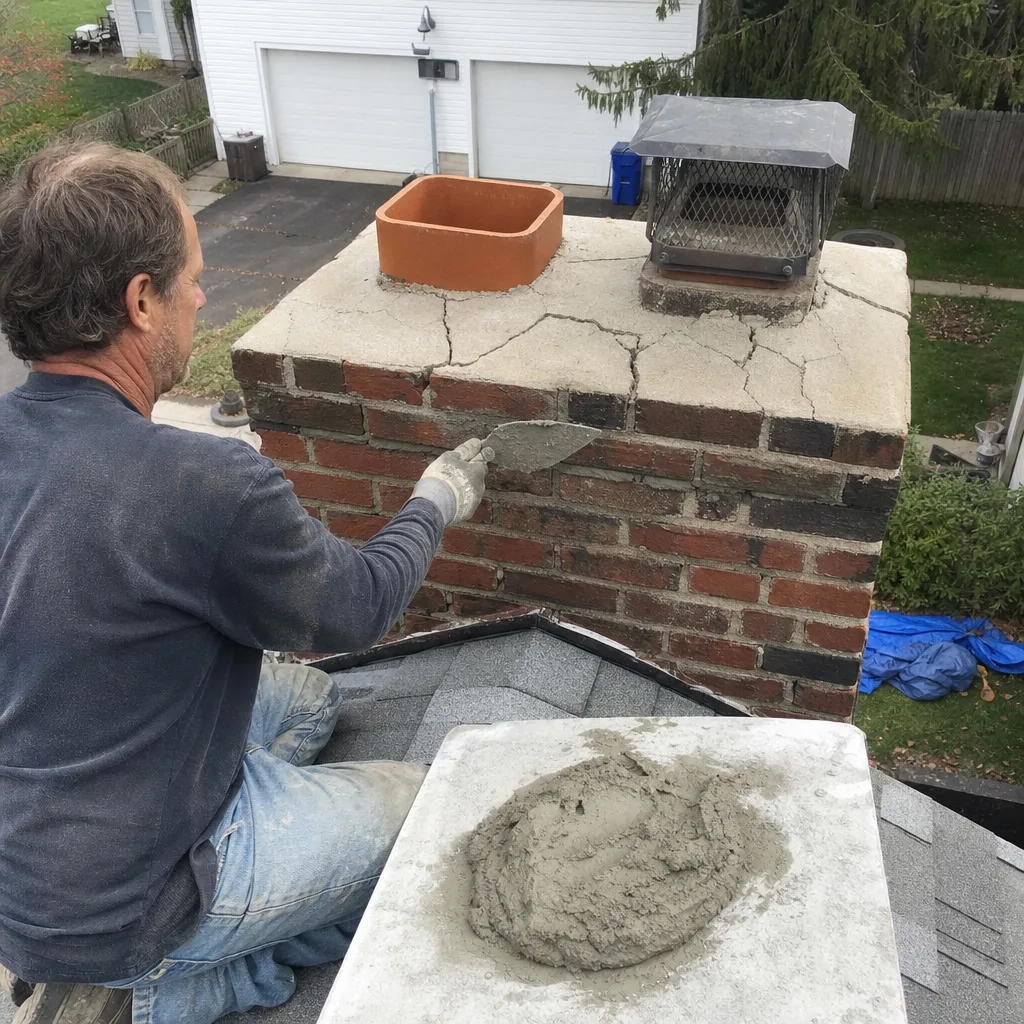
The NFPA 211 standard states that chimneys should be inspected annually and cleaned as needed. “As needed” depends on use patterns specific to your home and Chester County’s climate.
For cord wood burners: The Chimney Safety Institute of America recommends cleaning when creosote buildup reaches 1/8 inch. In practice, a Downingtown home burning 2-3 cords of mixed hardwood per season typically needs annual sweeping. Homes burning softwood, green wood, or more than 4 cords may need mid-season inspection. The freeze-thaw cycle here means any moisture intrusion accelerates liner deterioration - annual camera inspection catches this even when creosote is minimal.
For gas fireplaces: Annual inspection is still warranted. Gas combustion produces water vapor and can degrade liners, particularly in oversized masonry flues. Burner ports clog with dust and spider webs (common in rural Chester County properties). Venting systems for direct-vent inserts can separate or corrode. A gas fireplace that “works fine” can still vent carbon monoxide through a failed liner.
For rarely used fireplaces: Even chimneys that see one or two fires per year need inspection. Birds nest in flues. Chimney caps blow off in March windstorms. Moisture enters through cracked crowns. An unused chimney with a blocked flue is a carbon monoxide hazard waiting for the holiday fire.
Neighborhood-specific notes: In the flood-adjacent areas near the East Branch Brandywine Creek, we’ve found accelerated mortar deterioration from historic moisture exposure. Homes in the hills toward Marsh Creek State Park see more wind-driven rain and cap damage. Annual inspection catches these patterns before they become liner failures.
Common Mistakes to Avoid
- Hiring based on the lowest price without asking what’s included. A $99 sweep in Downingtown is almost certainly a brush-only job with no camera, no documentation, and no warranty. The $110 difference between that and a Level 2 inspection is the cost of accountability.
- Assuming a new home needs no inspection. New construction in Uwchlan and East Caln townships sometimes has debris left in flues from construction, or liners damaged by mortar droppings during chimney cap installation.
- Burning Christmas tree branches. Evergreen wood is extremely high in sap and creosote-forming compounds. One post-holiday fire with dried spruce can deposit more Stage 2 creosote than a month of hardwood burning.
- Ignoring the smell. A strong, acrid odor from the fireplace in summer usually indicates creosote buildup combined with humidity - a chimney fire risk when burning season returns, and a sign that last year’s “sweep” was incomplete.
- Accepting verbal repair recommendations without photo evidence. If a technician says you need a $3,000 liner replacement, ask to see the camera footage of the specific damage. No footage, no commitment.
- Scheduling after the first frost. October and early November appointments in Downingtown fill 3-4 weeks ahead. Emergency calls in December cost more and may face weather delays.
- Forgetting the gas insert. Homeowners who convert to gas sometimes cancel chimney maintenance entirely. The flue still needs inspection; the burner still needs service.
When to Call a Professional
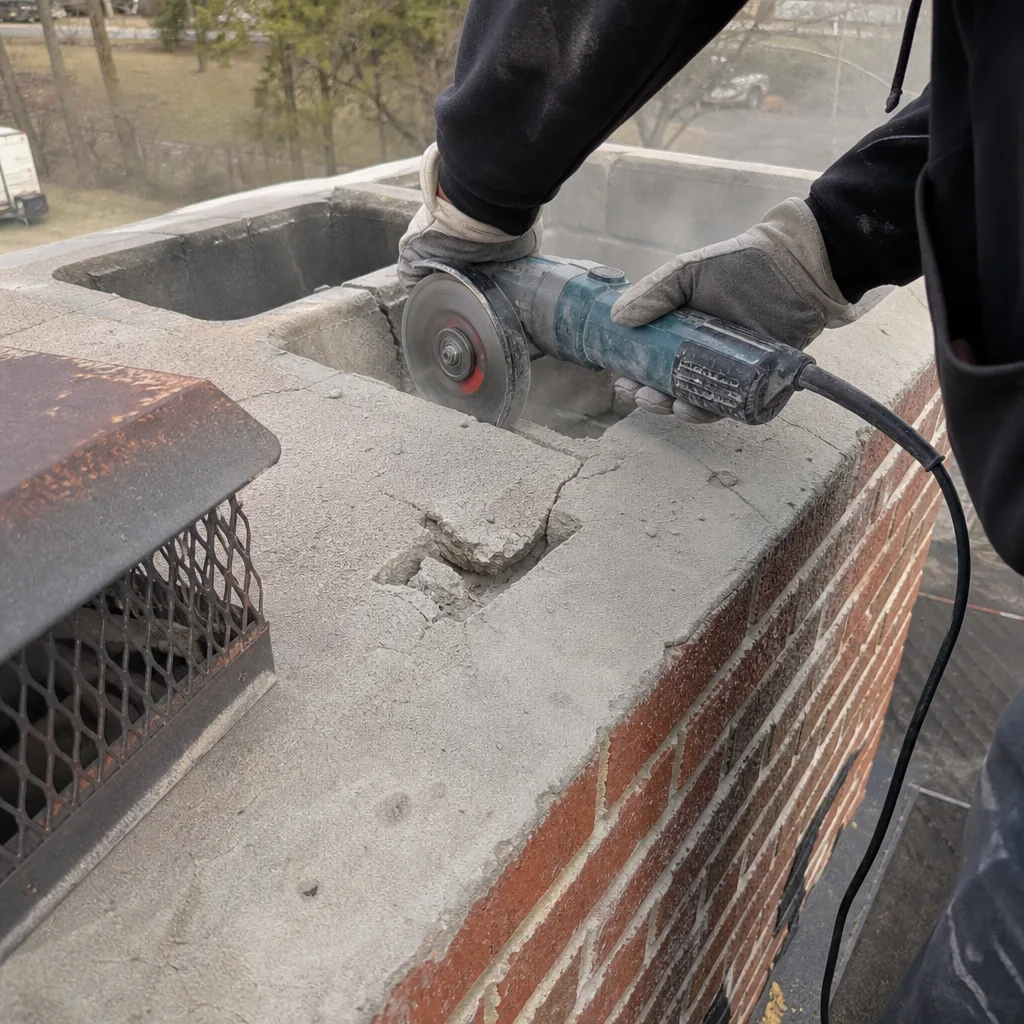
Call for inspection before the burning season starts - ideally September or October - regardless of how little you used the fireplace last year. Call immediately if you notice smoke entering the room, a strong chimney odor, visible creosote flakes in the firebox, or any change in draft performance after a windstorm. Call if you’re buying a home in Downingtown and the seller’s disclosure mentions “chimney swept recently” but provides no documentation. A flashlight look from a home inspector is not a substitute for a camera scan.
Level Two Chimney Downingtown offers free estimates in Downingtown - call (484) 558-2798. Every estimate includes a written scope and written price before any work begins. If you have a competitor’s written quote, our Free Second Opinion applies: we’ll review their scope against what our camera finds.
Frequently Asked Questions
A complete chimney sweep with NFPA 211 Level 2 camera inspection in Downingtown costs between $199 and $389, depending on creosote buildup severity and flue configuration. Heavy Stage 2 or Stage 3 creosote adds $75-$450 for specialized removal. Call (484) 558-2798 for an exact quote - estimates are free.
You need a new liner only if camera documentation shows specific, verifiable damage: cracked terracotta segments, joint separation exceeding 1/4 inch, or corrosion holes in stainless steel inserts. We recommend nothing without camera evidence you can see yourself, and we will tell you plainly when damage can be monitored rather than repaired immediately. Our Free Second Opinion on any written estimate confirms whether another company’s liner recommendation matches what our camera finds.
Chimneys should be inspected annually and cleaned as needed. Cord wood burners in Downingtown typically need annual sweeping; gas fireplaces need annual burner and flue inspection even when creosote is absent. Chester County’s freeze-thaw cycle and mixed hardwood/softwood availability make annual camera inspection particularly important for masonry chimneys. Call (484) 558-2798 to schedule before burning season.
Skipped cleaning allows creosote to progress from Stage 1 to Stage 2 or 3, increasing chimney fire risk and potentially obstructing the flue. More commonly, undetected liner cracks from moisture or thermal cycling allow carbon monoxide into wall cavities or attic spaces. In Downingtown’s older housing stock, we’ve found failed liners in chimneys that appeared to draft normally - the hazard was invisible until camera inspection.
A sweep removes combustible deposits from the flue. An inspection evaluates structural condition, liner integrity, and clearance to combustibles. A Level 2 inspection includes both: the sweep plus a camera scan of the full flue interior. Most Downingtown homeowners need both services annually, which is why Level Two Chimney Co. bundles them as standard practice under the Haven Standard.
Homeowners can brush loose soot from a straight, short flue with proper rods and brushes. However, Downingtown’s older homes typically have offset flues, terracotta liners that crack unpredictably, and smoke chambers that require specialized equipment. More importantly, without a camera scan you cannot assess liner condition, and without documentation you have no protection in a fire or insurance dispute. We do not recommend DIY cleaning for any flue over 15 feet or any home built before 1990.
The Bottom Line
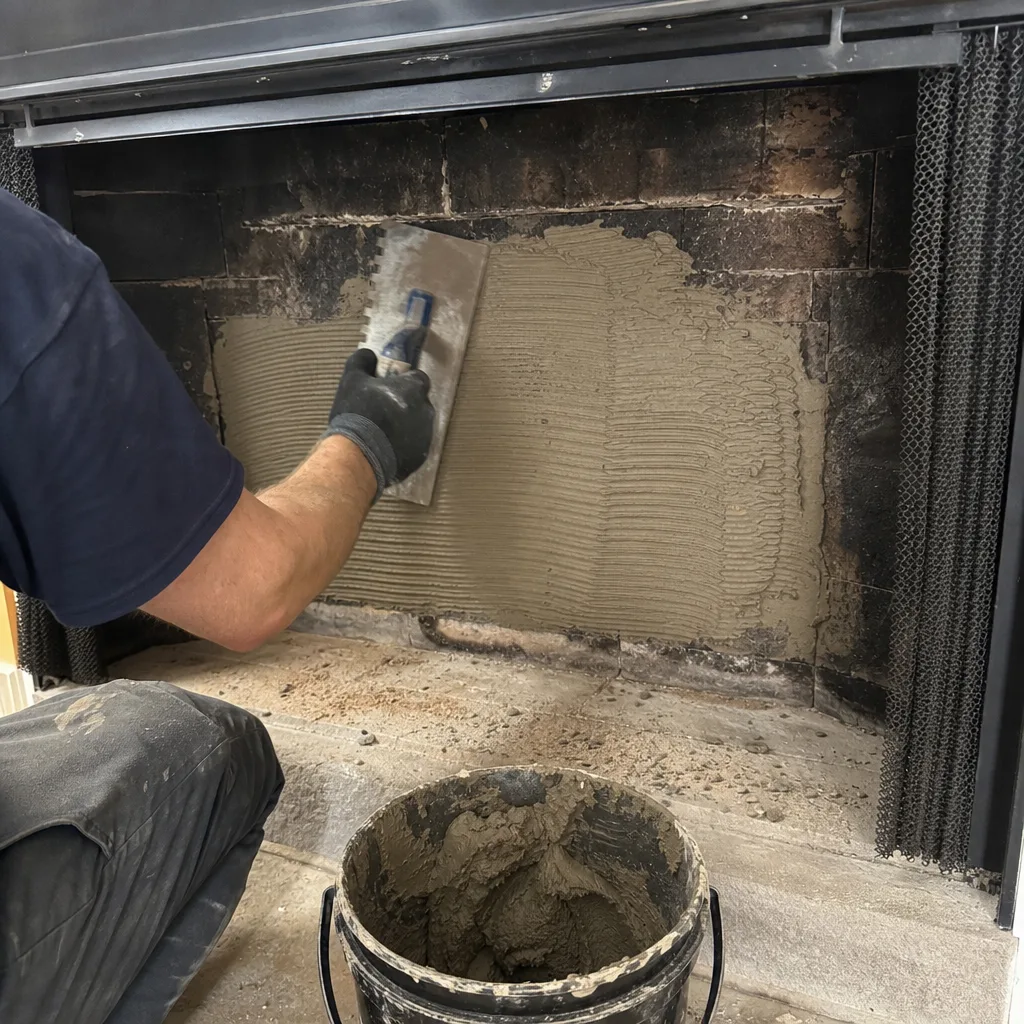
Chimney cleaning in Downingtown is not a single service with a single price. It is a category that ranges from a 30-minute brush job with no documentation to a fully documented Level 2 inspection that protects your safety, your insurance coverage, and your home sale. The difference lies in the camera, the written scope, and the warranty. Before you hire anyone, ask three questions: Will I see camera footage of my full flue? Will I have a written price before work starts? Will I receive a dated, signed warranty? If the answer to any is no, keep looking. The 38,000 chimneys we’ve inspected since 2009 taught us that documentation is not an add-on - it is the service.
Written by Corrine Halstead, Owner at Level Two Chimney Downingtown, serving Downingtown since 2009.