
Last updated September 22, 2026
Level 1 sweep and inspection to the NFPA 211 annual standard - flue, crown, cap, and flashing checked and photographed
Chimney sweep logs do not sweep chimneys. They loosen some creosote - which then falls where a brush and vacuum still have to collect it.
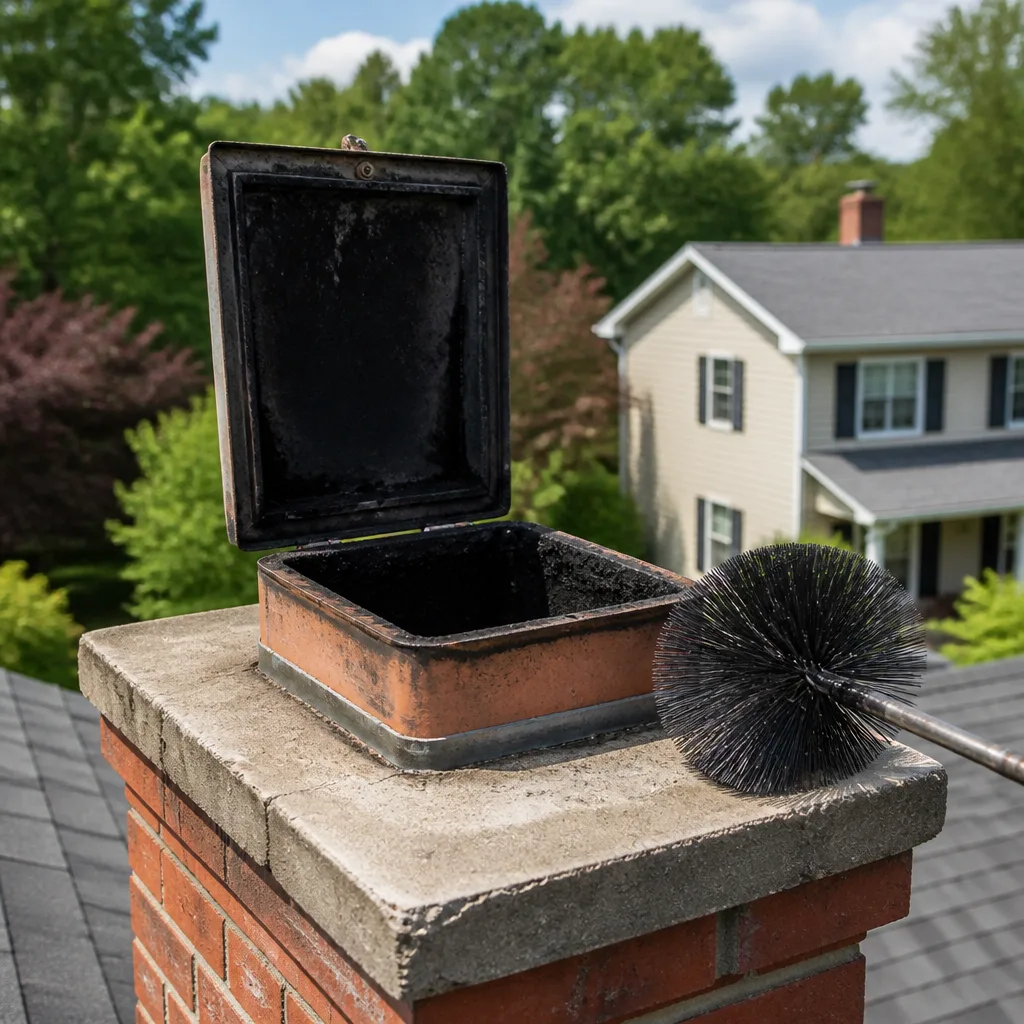
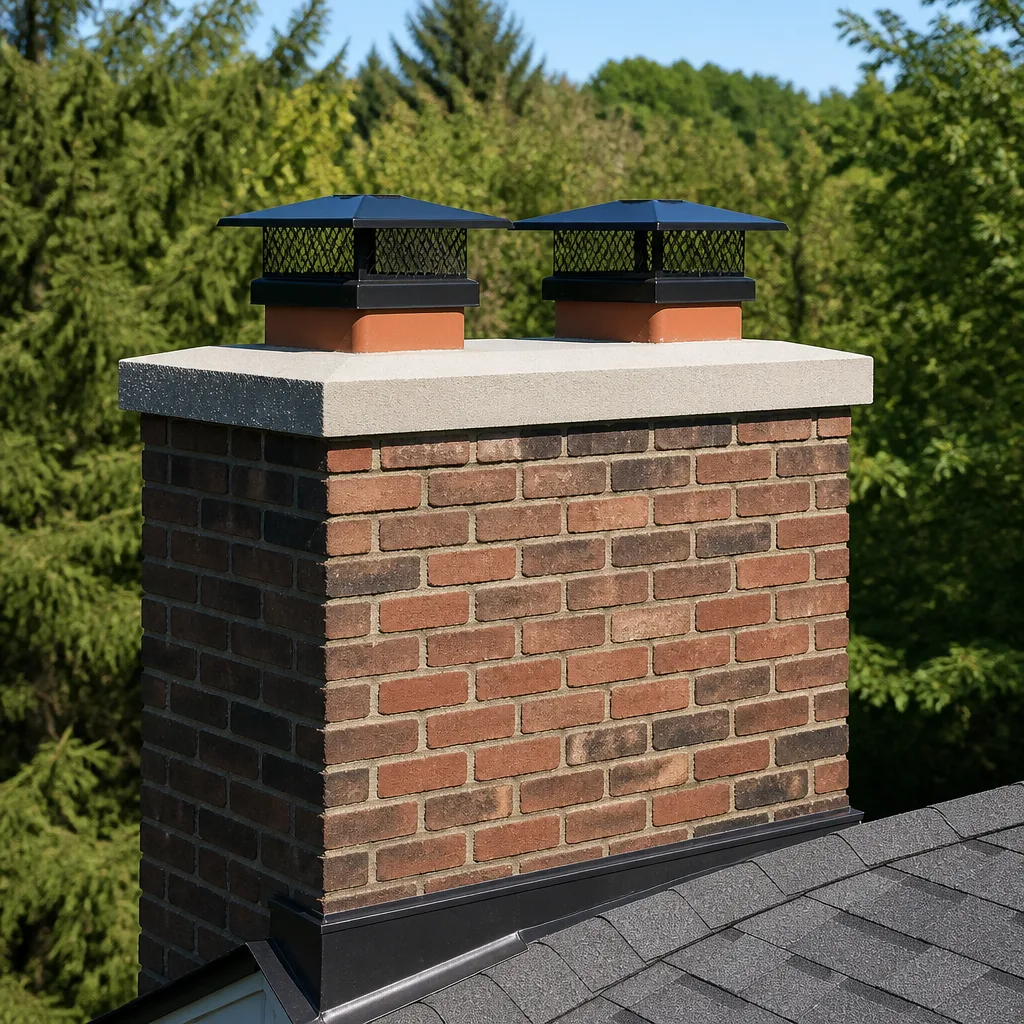
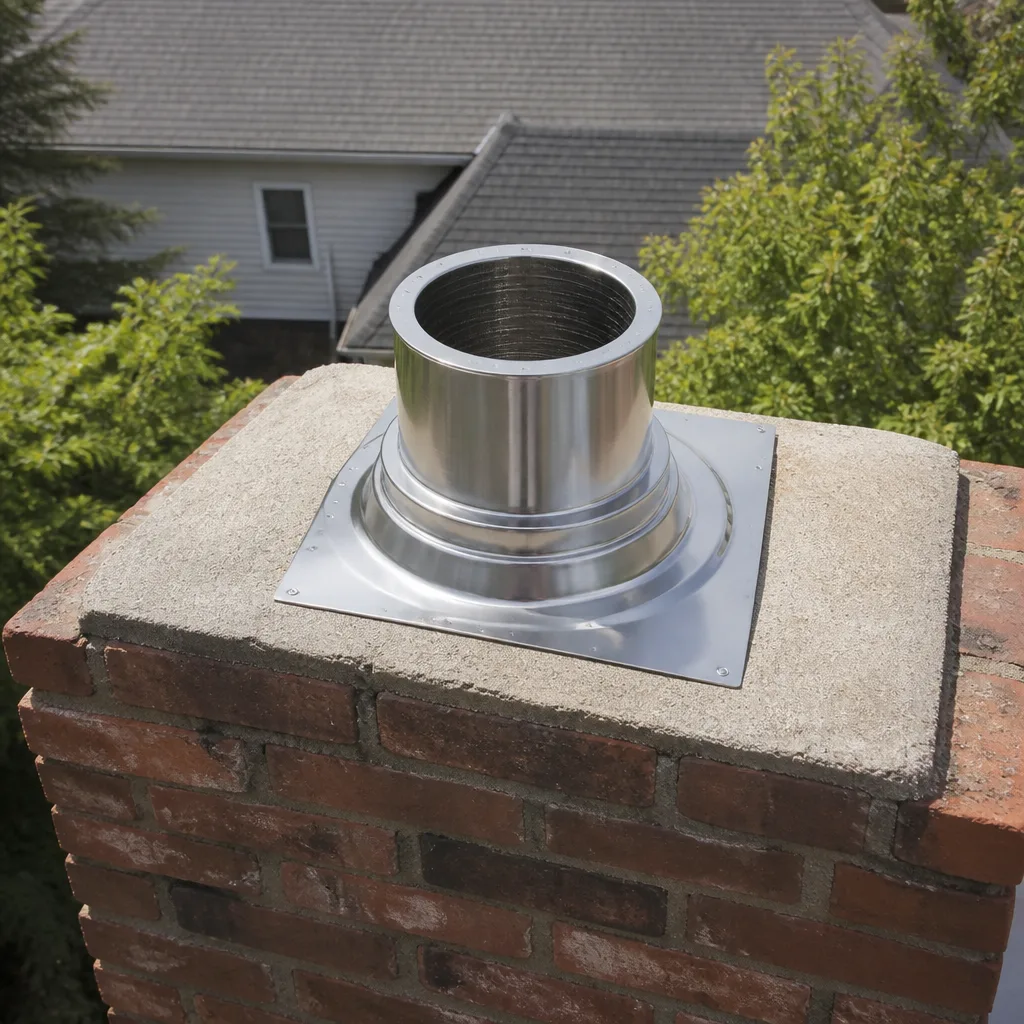
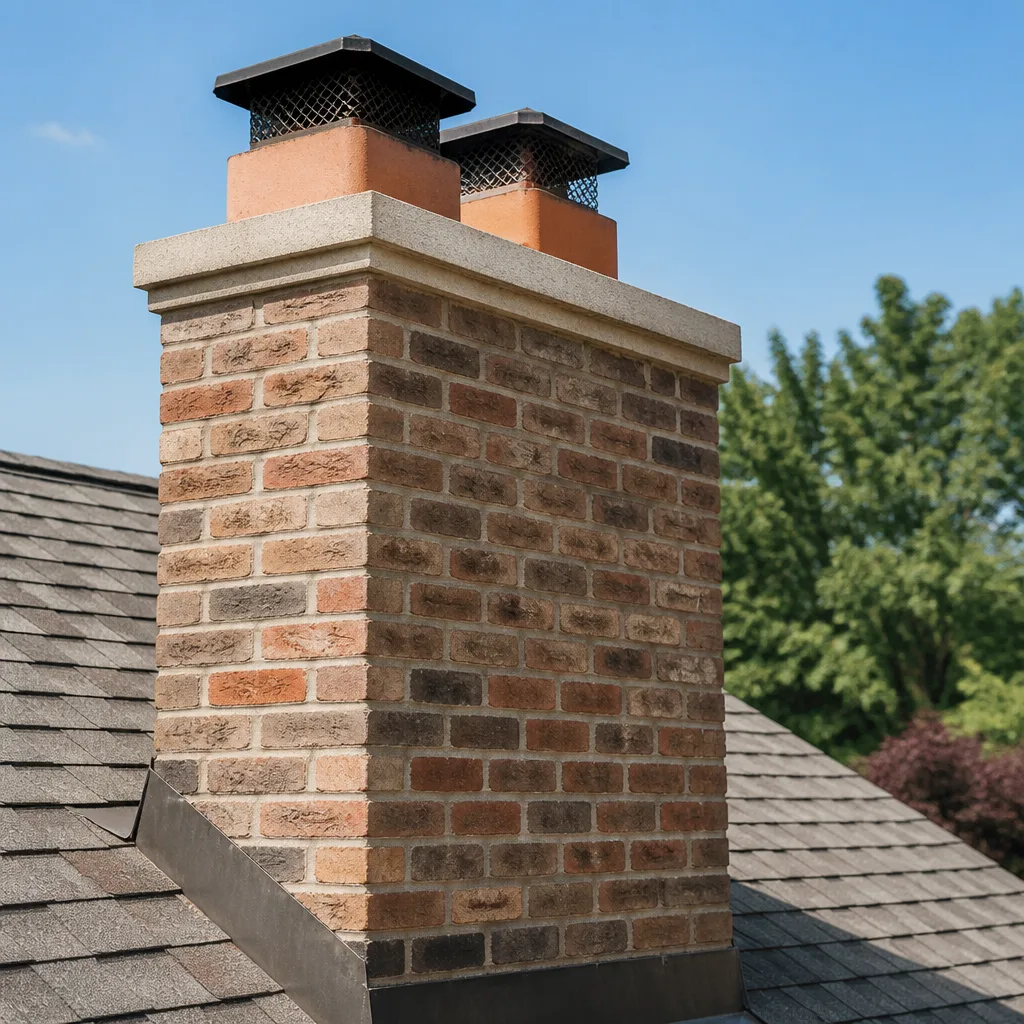
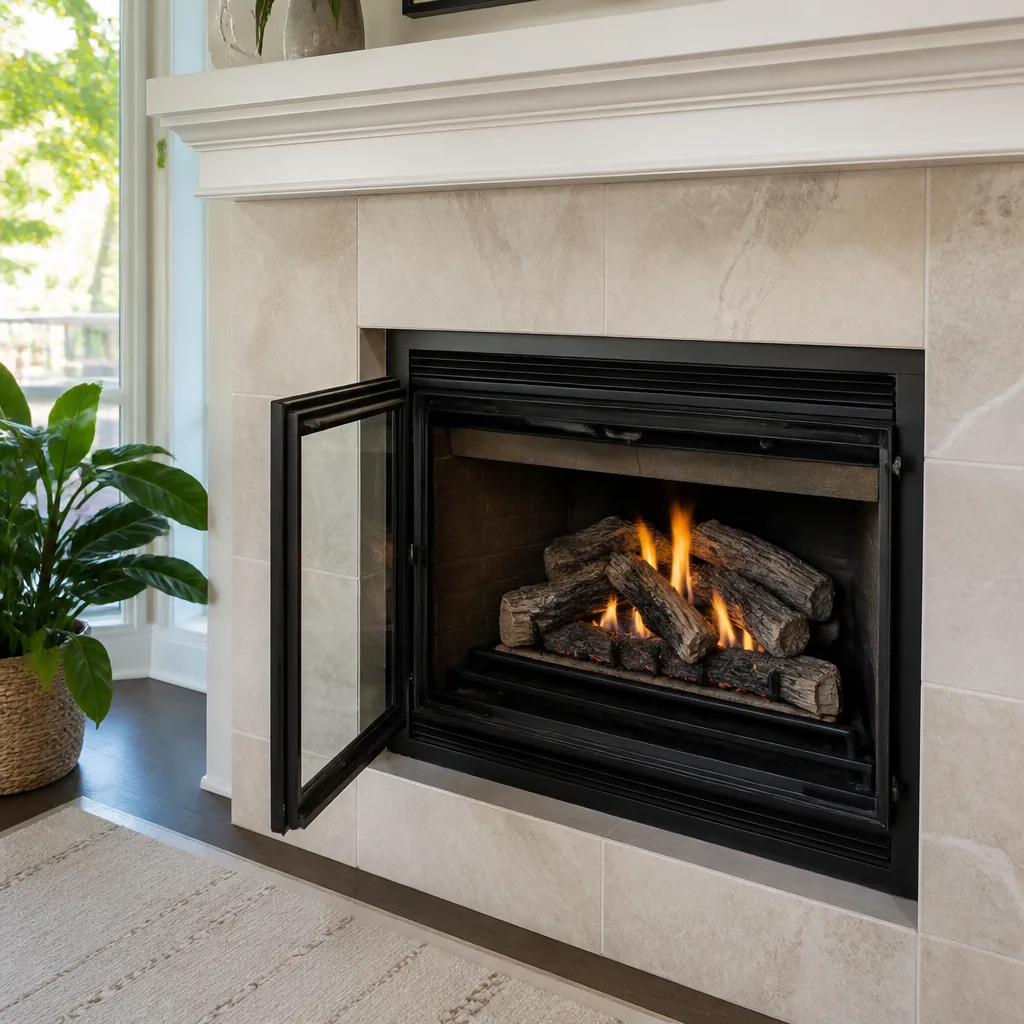
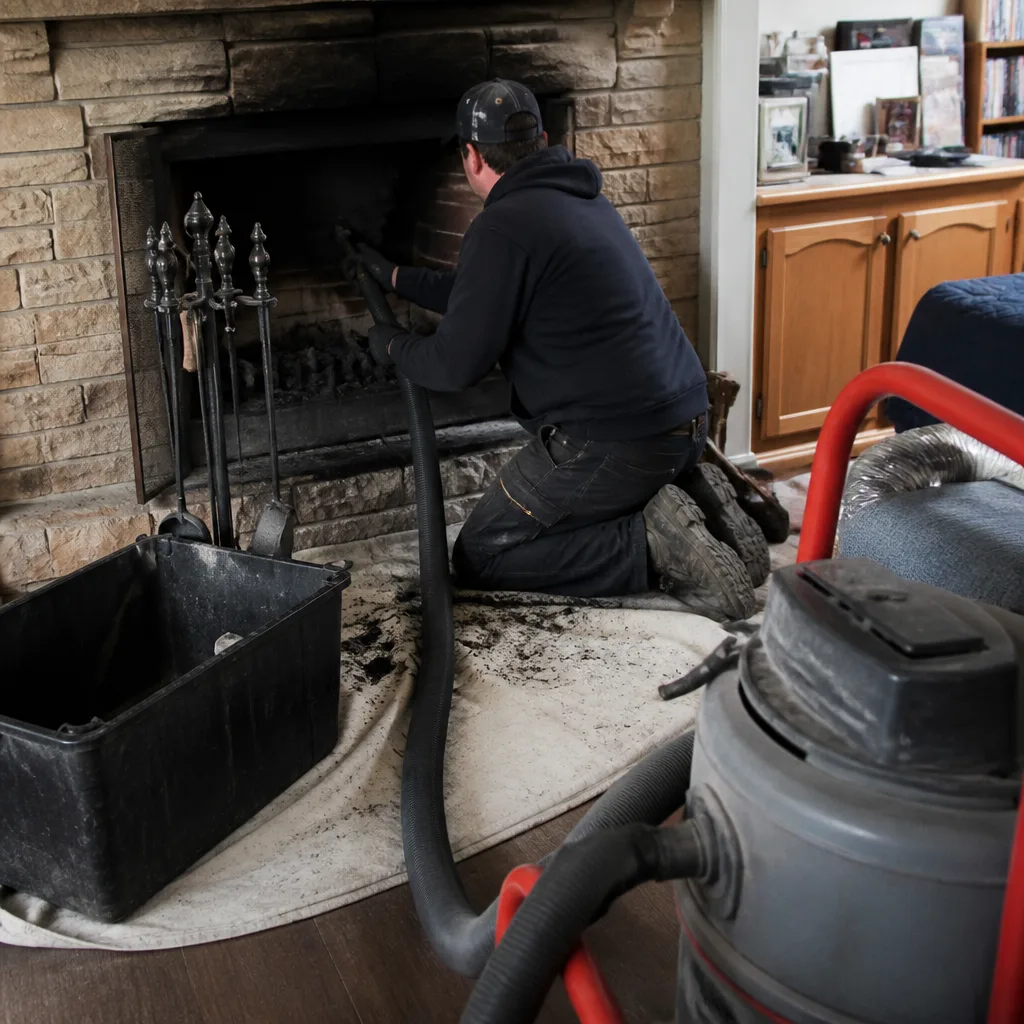 Before
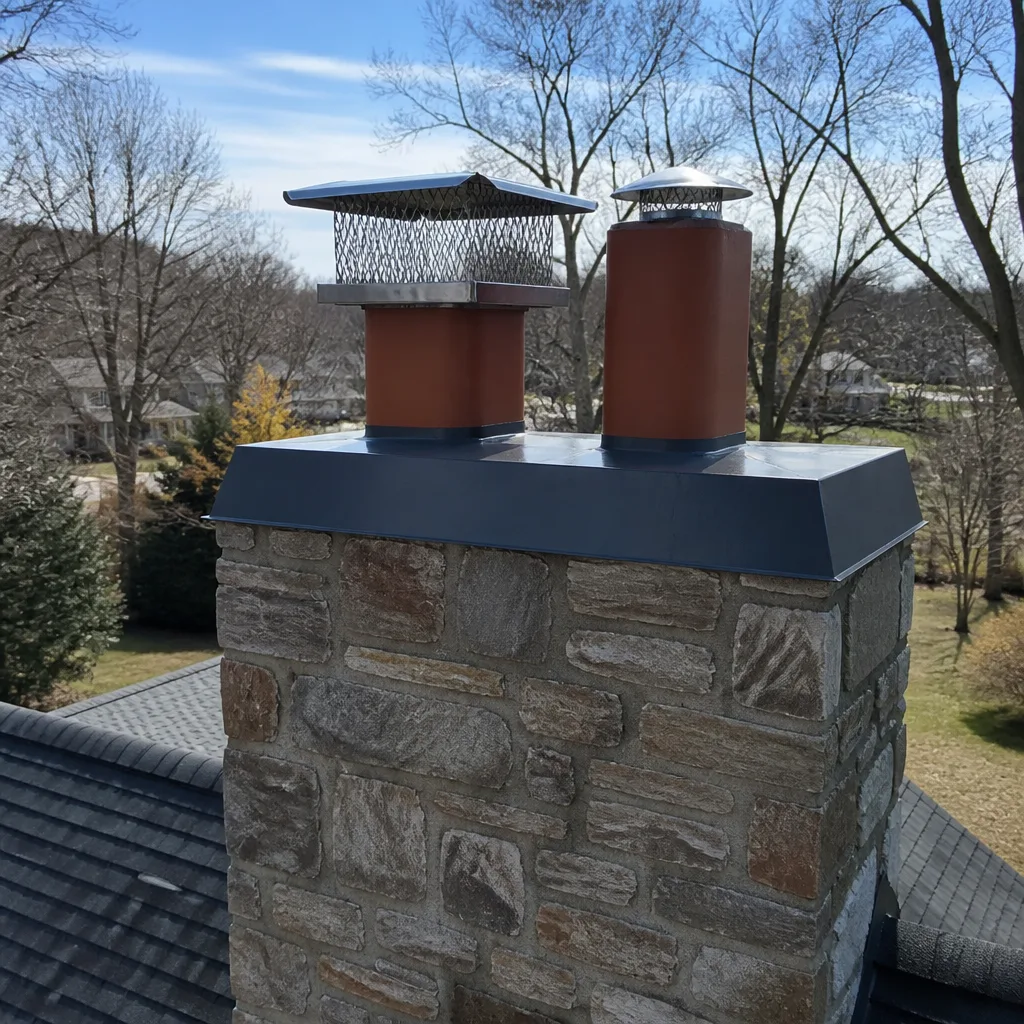 After
After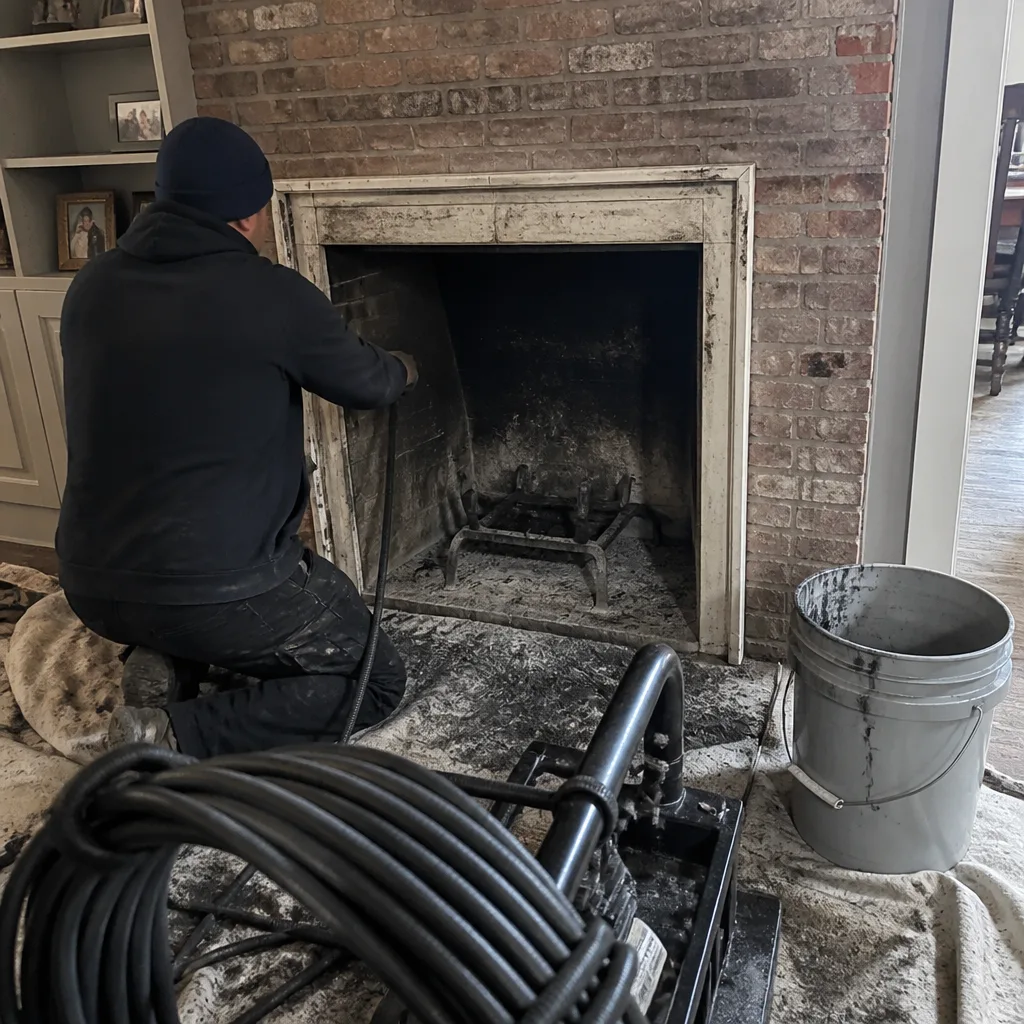 Before
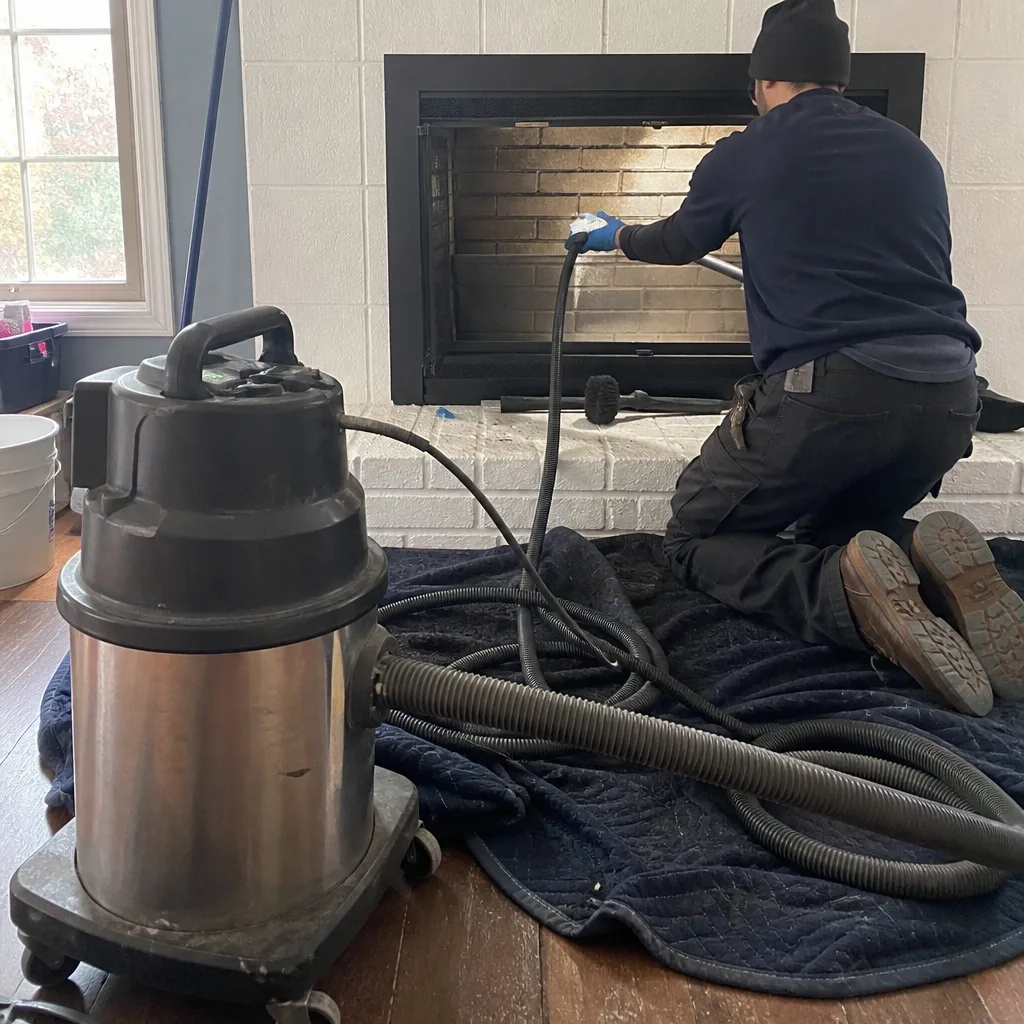 After
After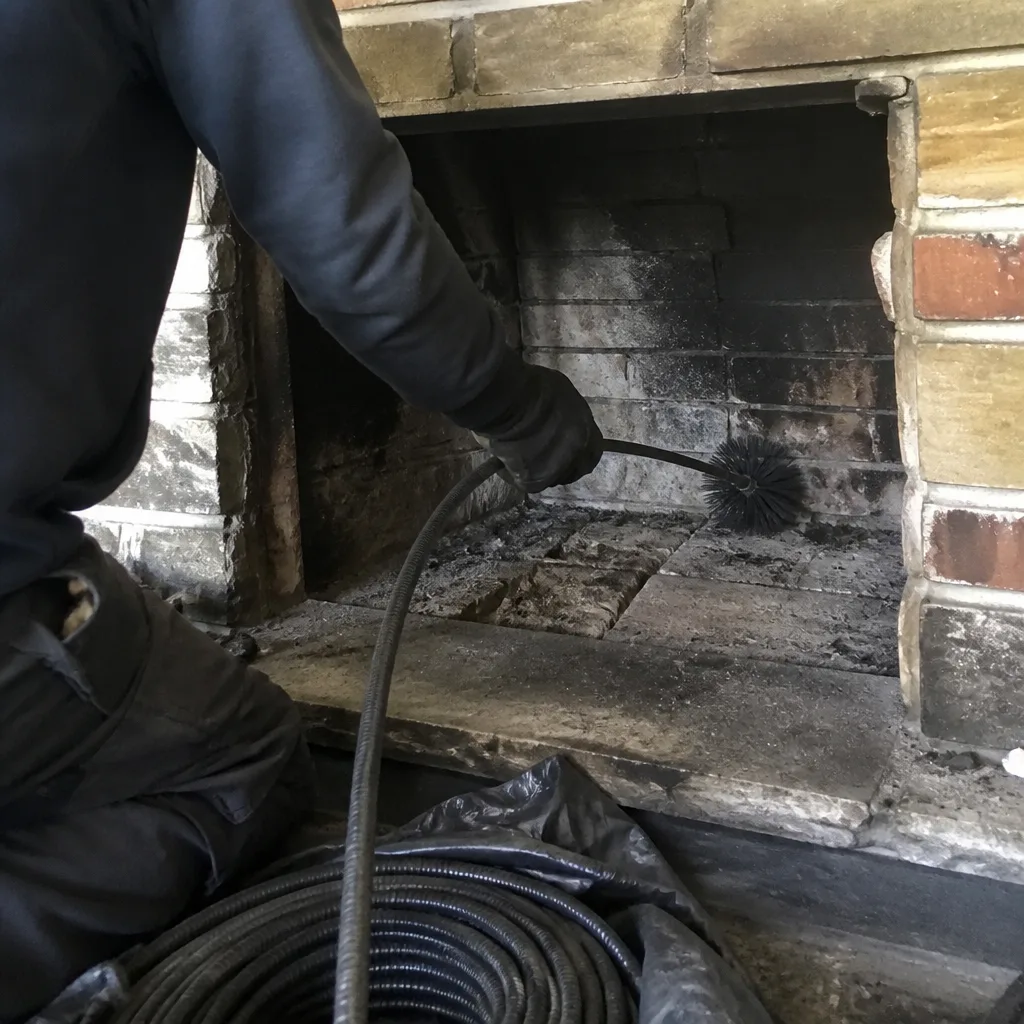 Before
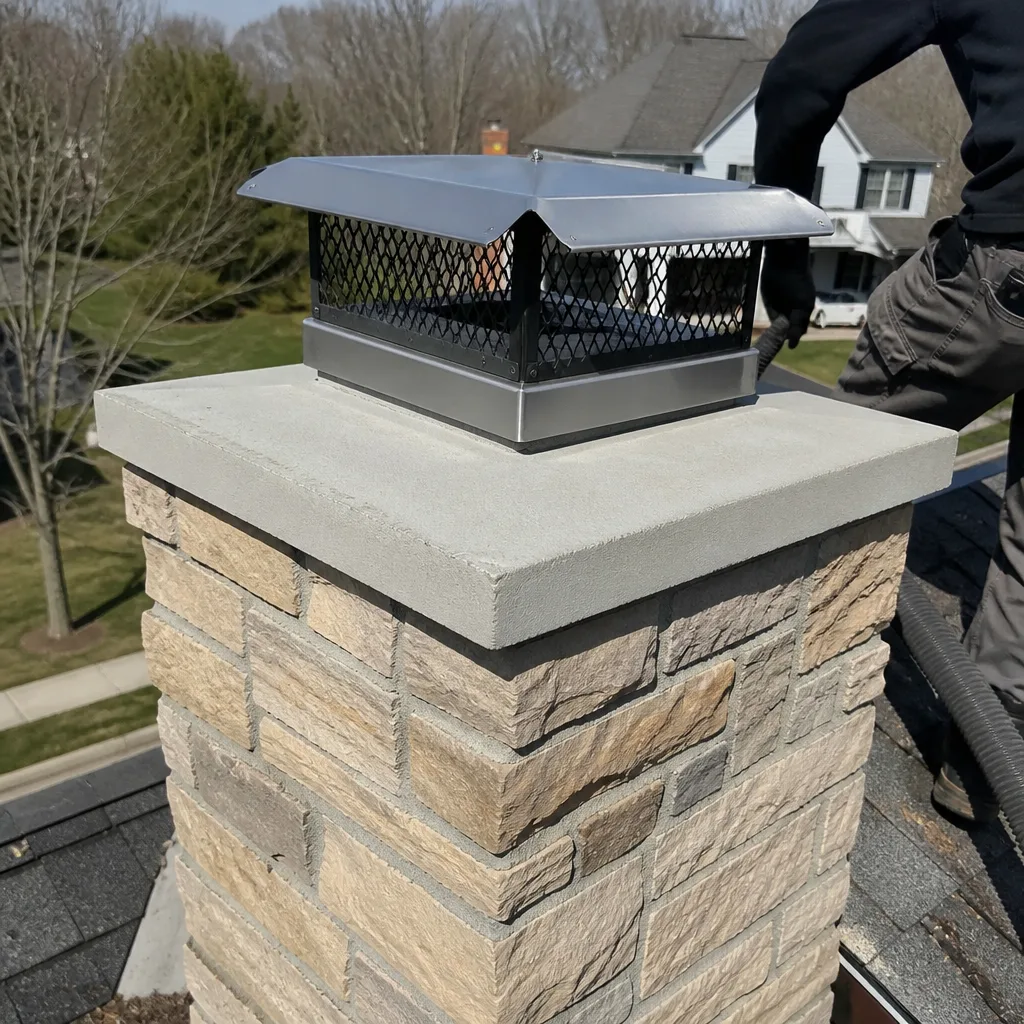 After
AfterDIY vs Professional Chimney Cleaning: The Downingtown Homeowner’s Decision Guide
Here’s the stat that reframes the whole debate: a homeowner with a $40 brush kit can clean Stage 1 creosote from a straight, accessible flue. But in our work across Downingtown, we’ve found that roughly 60% of older homes in neighborhoods like the historic district near Bradford Avenue, the colonial stock along Lancaster Avenue, and the cape cods dotting the West Bradford Township border have offset flues, clay tile liners with hidden cracks, or smoke chambers that a brush never reaches. The DIY question isn’t really about whether you can push a brush up a pipe. It’s about what you can prove when an insurance adjuster asks, or when a buyer’s inspector finds something your brush missed. This guide draws the line at what DIY can and cannot accomplish in Downingtown’s actual housing stock.
Quick Answer
DIY chimney cleaning in Downingtown is mechanically possible only for straight, unobstructed flues with Stage 1 creosote, and only when a professional Level 2 inspection established a clean baseline within the past 12 months. For the majority of local homes with offset flues, clay tile liners, or any creosote beyond Stage 1, professional cleaning with camera documentation is necessary for safety, insurance compliance, and real estate transactions.
Table of Contents
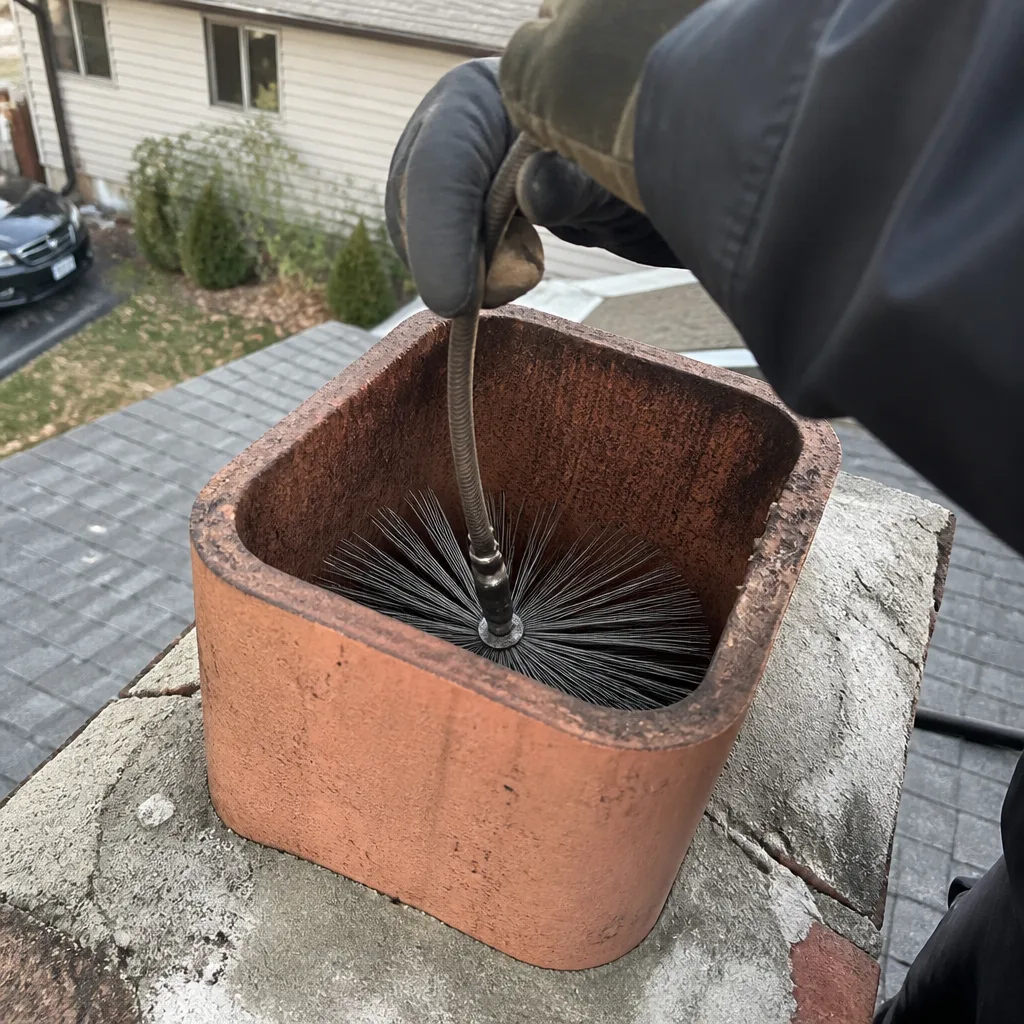
- What DIY Chimney Cleaning Actually Accomplishes
- The Equipment Gap: What Cameras Find That Brushes Miss
- The Documentation Gap: Why No Record Costs You Later
- Honest Cost Comparison: DIY vs. Professional in Downingtown
- The Narrow DIY Case: When It’s Actually Reasonable
- Downingtown-Specific Risks: Climate, Codes, and Housing Stock
- Common Mistakes to Avoid
- When to Call a Professional
- Frequently Asked Questions
 Before
 After
AfterWhat DIY Chimney Cleaning Actually Accomplishes
Let’s be specific about what happens when a homeowner runs a polypropylene brush up a flue. The brush scrapes loose, flaky deposits off the interior surface. If the flue is straight, round, and unobstructed, and if the deposit is Stage 1 creosote (light, sooty, easily dislodged), the brush carries some of it down. That’s the mechanical reality.
Four conditions make this ineffective or dangerous:
- Stage 2 or 3 creosote. Stage 2 forms shiny, hardened flakes that embed in mortar joints and tile cracks. Stage 3 is a tar-like glaze that requires rotary chains or chemical treatment to remove. A hand brush won’t touch either, and attempting to force it can damage clay tiles.
- Offset flues. Many Downingtown colonials built between 1920 and 1960 have flues with 30- or 45-degree offsets to navigate around floor joists. A standard brush rod binds at the joint and either stops or punches through deteriorated mortar.
- Smoke chamber and firebox access. The smoke chamber (the inverted funnel above the firebox) accumulates creosote in its corbeled brick joints. No brush kit reaches this area from below, and it’s where many chimney fires start.
- Liner condition unknown. Without a prior camera inspection, you don’t know if you’re brushing against intact clay tiles, cracked tiles with gaps exposing combustible framing, or a partially detached stainless liner. Brushing a compromised liner can worsen the damage.
In our 38,000+ inspections since 2009, we’ve documented cases where homeowners cleaned religiously every season and still developed dangerous conditions because the brush never reached the actual problem. One Bradford Hills homeowner had brushed his flue annually for eight years; our camera found a detached clay liner section three feet above the smoke chamber that had been dumping combustion gases into the wall cavity the entire time. The brush passed right by it.
The honest mechanical summary: DIY cleaning removes loose, accessible deposits from straight flues. It does not inspect, diagnose, or document.
The Equipment Gap: What Cameras Find That Brushes Miss
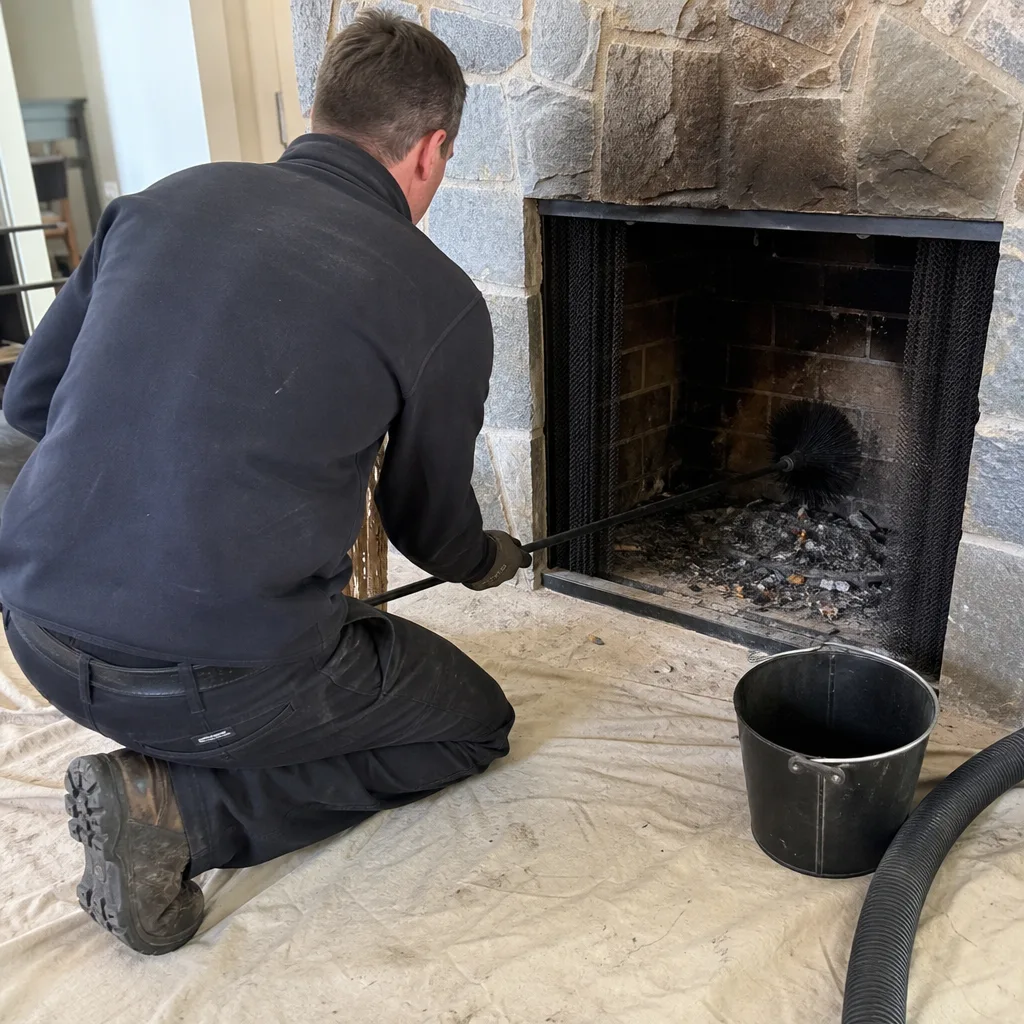
A homeowner’s toolkit for chimney assessment typically includes a flashlight, a mirror on a stick, and maybe a smartphone video held at arm’s length. Here’s what a professional camera rig adds, and why it matters for Downingtown homes specifically.
Our inspection equipment includes a self-leveling camera head on a flexible rod, high-intensity LED lighting, and a monitor that records 1080p footage with distance markers. This lets us examine the entire flue interior, the smoke chamber, and the firebox from multiple angles. Under NFPA 211 Level 2 standards, which Level Two Chimney Downingtown home has followed since 2009, this camera documentation is mandatory, not optional.
Specific findings from Downingtown’s housing stock that brushes and flashlights miss:
- Hairline cracks in clay tile liners. Common in homes built 1940-1970 with terra cotta flue tiles. A flashlight glance shows dark mortar joints; a camera with side-lighting reveals cracks that open under thermal stress. In Downingtown’s freeze-thaw climate, water infiltration expands these cracks seasonally.
- Spalling tile faces. The interior surface of clay tiles flakes off in thin layers, reducing liner thickness and creating gaps. From below, the flue looks intact. From inside, it’s Swiss cheese.
- Stainless liner detachment at the top plate. Many 1980s-2000s Downingtown homes have DuraFlex or similar stainless liners. The top plate can corrode or pull away, dropping the liner section into the flue. A brush pushes past the gap; a camera finds it immediately.
- Creosote buildup behind liner sections. When a stainless liner doesn’t fully contact the clay tile host, creosote accumulates in the annular space. Brushes clean the liner interior but leave the hidden deposit, which can ignite and burn undetected.
- Smoke chamber corbelling gaps. The stepped brickwork in most Downingtown masonry fireplaces collects creosote in horizontal joints. No brush reaches these. Our camera with a 90-degree viewing head documents them directly.
The HeatShield refractory coating system we use for smoke chamber parging requires pre- and post-application camera documentation to verify complete coverage. A homeowner cannot self-verify this work, and most competitors who skip the camera can’t either. Clause 4 of the Haven Standard requires the photo record on every job specifically because visual verification is the only proof that matters.
The Documentation Gap: Why No Record Costs You Later
This is where the DIY vs. professional debate actually lands for most Downingtown homeowners. Not in the moment of brushing, but months or years later when documentation is demanded.
Three scenarios where absent records become expensive:
Insurance claims after a chimney fire. If a fire originates in or spreads through the chimney system, your insurer will request inspection and cleaning records. A DIY cleaning with no timestamped photo record, no written scope, and no technician certification is typically treated as no maintenance at all. We’ve reviewed claims where homeowners lost coverage disputes because they could only produce a receipt for a brush kit, not evidence of professional service. The cost of a denied claim, or a policy increase, dwarfs any savings from skipping professional cleaning.
Real estate transactions. Downingtown’s market includes frequent turnover in neighborhoods like Kerr Park, Uwchlan Township, and the new construction near the Downingtown Country Club. Buyer’s inspectors routinely flag chimneys. A seller with no recent Level 2 inspection report faces either a price concession or a rushed, expensive pre-closing repair. A documented annual inspection record from Chimney Cleaning & Sweep in Downingtown with photo archives becomes a marketable asset.
Warranty and product claims. Manufacturers of Gelco chimney caps, Olympia Chimney liners, and other components often require professional installation and annual professional inspection to maintain warranty coverage. DIY maintenance voids these protections.
The Haven Standard’s Clause 4, the documented photo record, exists because we saw this pattern repeatedly. In 2009, before insurers or regulators asked for it, we began archiving every inspection. That archive has since resolved dozens of coverage disputes, supported warranty claims, and helped homeowners prove maintenance diligence. A DIY clean produces none of this protection.
Honest Cost Comparison: DIY vs. Professional in Downingtown
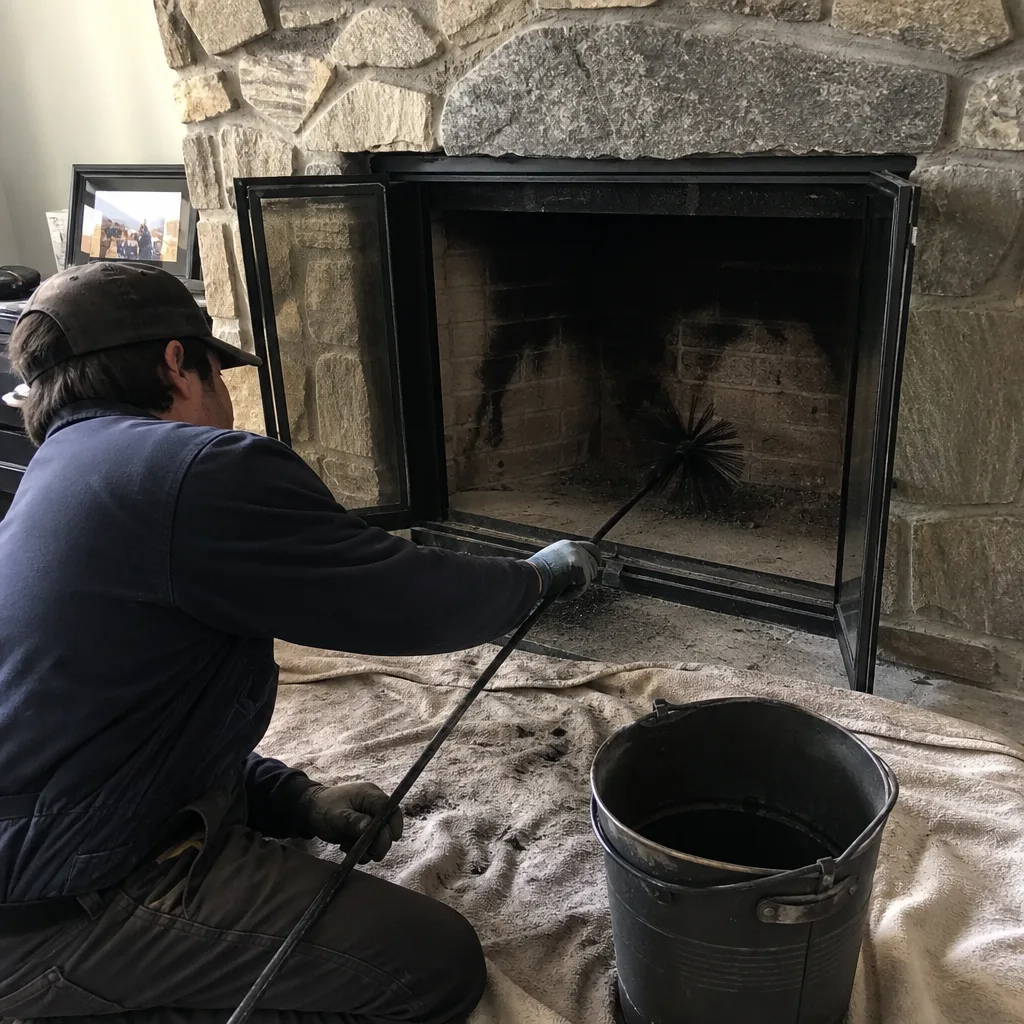
Let’s put actual numbers on the table. This is what we tell homeowners who call asking about DIY.
DIY supply cost:
- Basic polypropylene brush and rod kit: $35-$75
- Drop cloths, dust masks, shop vacuum: $40-$80 (if not already owned)
- Creosote remover spray (for light treatment): $15-$25
- Flashlight or basic inspection mirror: $20-$40
- Total first-year outlay: $110-$220
Professional chimney cleaning in Downingtown:
- Level 2 inspection with camera scan and cleaning: $275-$425
- Includes: written price before work, documented photo record, 365-Day Done Right Promise
- Frequency: annually for wood-burning systems, per NFPA 211
The hidden costs of DIY that miss the real problem:
| Scenario | DIY outcome | Subsequent cost |
|---|---|---|
| Stage 2 creosote undetected, chimney fire | Brush passed through, no warning | $2,500-$8,000 structural repair; potential insurance dispute |
| Cracked clay liner missed | Continued use, gases into wall cavity | $3,500-$7,000 stainless liner installation |
| Smoke chamber creosote buildup | No access, no cleaning | $1,800-$3,500 for parging and chamber repair |
| Detached stainless top plate | Brush pushed past gap | $800-$2,000 re-attachment or replacement |
The break-even math: one missed condition that requires professional remediation eliminates 5-10 years of DIY savings. And that’s before accounting for the documentation value in insurance or real estate contexts.
Our Chimney Repair in Downingtown page details the full scope of remediation options when conditions are found. The goal of annual professional service is to catch problems before they reach that stage.
The Narrow DIY Case: When It’s Actually Reasonable
We don’t dismiss DIY entirely. There is a narrow set of conditions where a homeowner can reasonably self-maintain between professional inspections.
All five conditions must be met:
- Straight, prefabricated metal flue. No offsets, no clay tiles, no masonry. Typically found in homes with factory-built fireplaces installed 1990-present.
- Stage 1 creosote only. Light, fluffy, black or gray soot that brushes off easily. If you need to scrub hard, it’s Stage 2 and requires professional treatment.
- Professional Level 2 inspection within 12 months. A camera scan established clean baseline, intact liner, and no hidden conditions. The written report is your reference document.
- No performance changes. Draft, smoke spillage, odor, or visible staining unchanged since the professional inspection.
- Written baseline documentation. You have the prior inspector’s photos, measurements, and written scope to compare against.
Even then, the DIY clean is maintenance between professional visits, not a replacement for them. We recommend this only for homeowners who burn seasoned hardwood exclusively, maintain hot fires (not smoldering overnight loads), and inspect their own work against the prior professional record.
What makes it defensible: the written baseline. Without that prior professional report, you’re guessing at whether conditions have changed. With it, you have a specific standard to check against.
Downingtown-Specific Risks: Climate, Codes, and Housing Stock
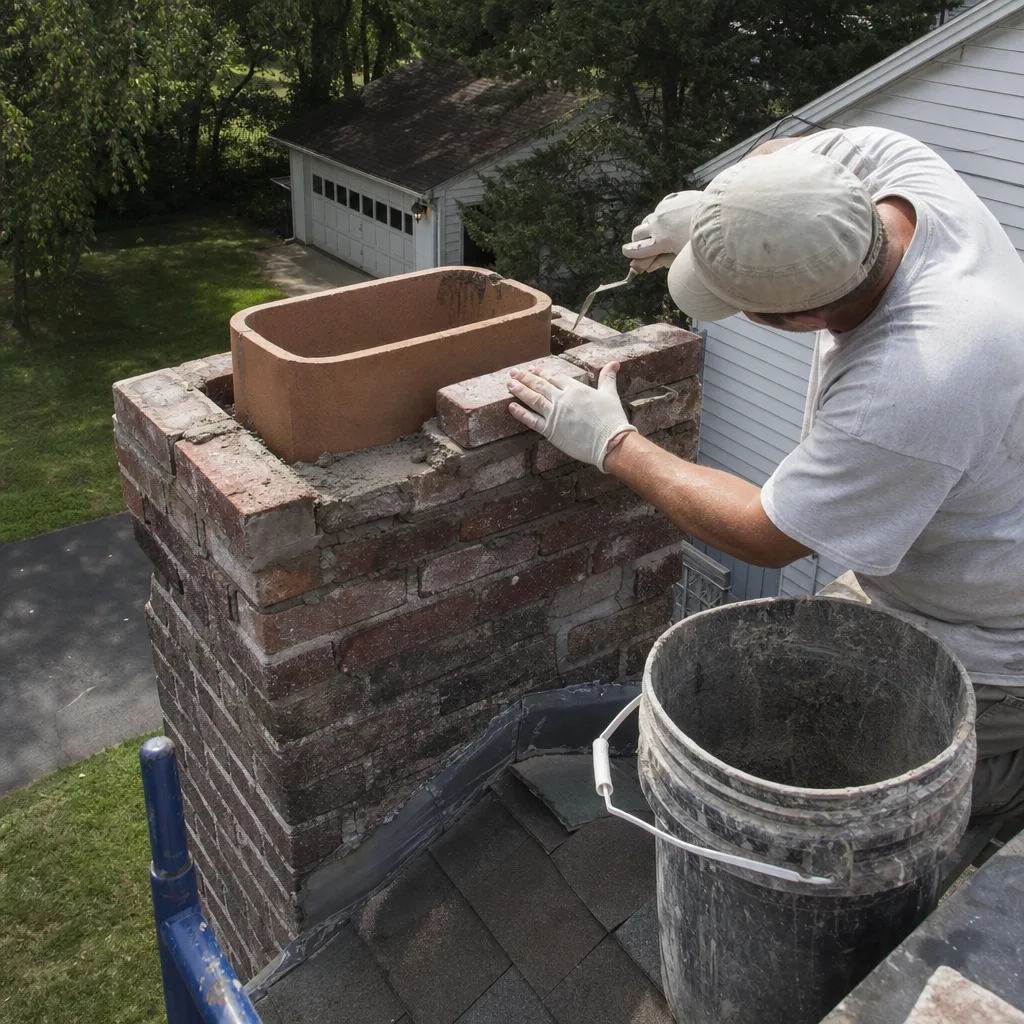
Downingtown’s location in the Brandywine Valley creates specific conditions that affect chimney performance and maintenance needs. For year-round guidance, see our Seasonal Chimney Cleaning Care for Downingtown: Year-Round Homeowner’s Guide.
Freeze-thaw cycling. Our climate delivers 20-30 freeze-thaw cycles annually. Water enters micro-cracks in masonry and clay tiles, expands when frozen, and widens the damage. This accelerates liner deterioration and crown cracking. A spring inspection after winter heating season is particularly valuable for catching new damage.
Historic district constraints. Homes in Downingtown’s historic areas may have original flue configurations that predate modern liners. Modifications require compliance with local historic preservation guidelines and Pennsylvania Uniform Construction Code provisions. DIY modifications in these properties can create code violations that complicate future sales or insurance.
Hard water and efflorescence. The limestone geology of Chester County contributes to mineral-laden groundwater. White efflorescence on exterior chimney faces indicates water penetration. Interior, this same water drives freeze-thaw damage. Brushing doesn’t address water intrusion; camera inspection identifies its source.
Neighborhood housing patterns:
- Pre-1940 colonials (historic district, Lancaster Avenue corridor): Often unlined or partially lined flues, significant creosote accumulation from decades of use, offset configurations common.
- 1940-1980 cape cods and ranches (West Bradford, East Bradford townships): Clay tile liners reaching end of service life, common spalling and cracking, many with original factory-built metal chimneys now corroding.
- 1980-2010 subdivisions (Bradford Hills, various townhome communities): Stainless steel liners, prefab metal chimneys, often with original installations now due for replacement or repair.
- 2010-present new construction: Generally compliant with current codes, but often with minimal clearances and high-efficiency appliances that require specific venting configurations.
Our Fireplace Services in Downingtown team sees each of these patterns regularly. The appropriate maintenance approach varies significantly by housing era.
Common Mistakes to Avoid
- Assuming a clean-looking firebox means a clean flue. The firebox is visible and easily brushed. Creosote accumulates most heavily in the upper flue and smoke chamber, where temperatures drop and condensation occurs. A clean firebox proves nothing about the hidden 80% of the system.
- Using a brush that’s too large or too small for the flue. An oversized brush binds and can crack clay tiles; an undersized brush centers on the flue and misses the corners where creosote concentrates. Most homeowners guess at flue diameter rather than measuring.
- Cleaning from the top down without proper roof access equipment. Downingtown’s colonial and cape cod roofs are steep, often 8:12 pitch or greater. Working at height without fall protection is dangerous. We’ve responded to emergency calls where DIY cleaning attempts damaged flashing or dislodged chimney caps.
- Burning unseasoned wood and cleaning more frequently as compensation. Wet wood produces acidic, corrosive creosote that damages liners faster than normal brushing can address. The solution is wood moisture management, not more aggressive cleaning.
- Ignoring the smoke chamber. Even homeowners who understand flue cleaning often don’t know the smoke chamber exists. It’s the most common ignition point for chimney fires and the least accessible to DIY equipment.
- Skipping professional inspection after a chimney fire or significant event. A small chimney fire can crack tiles or damage liners without visible exterior evidence. DIY cleaning afterward conceals the damage rather than diagnosing it.
When to Call a Professional
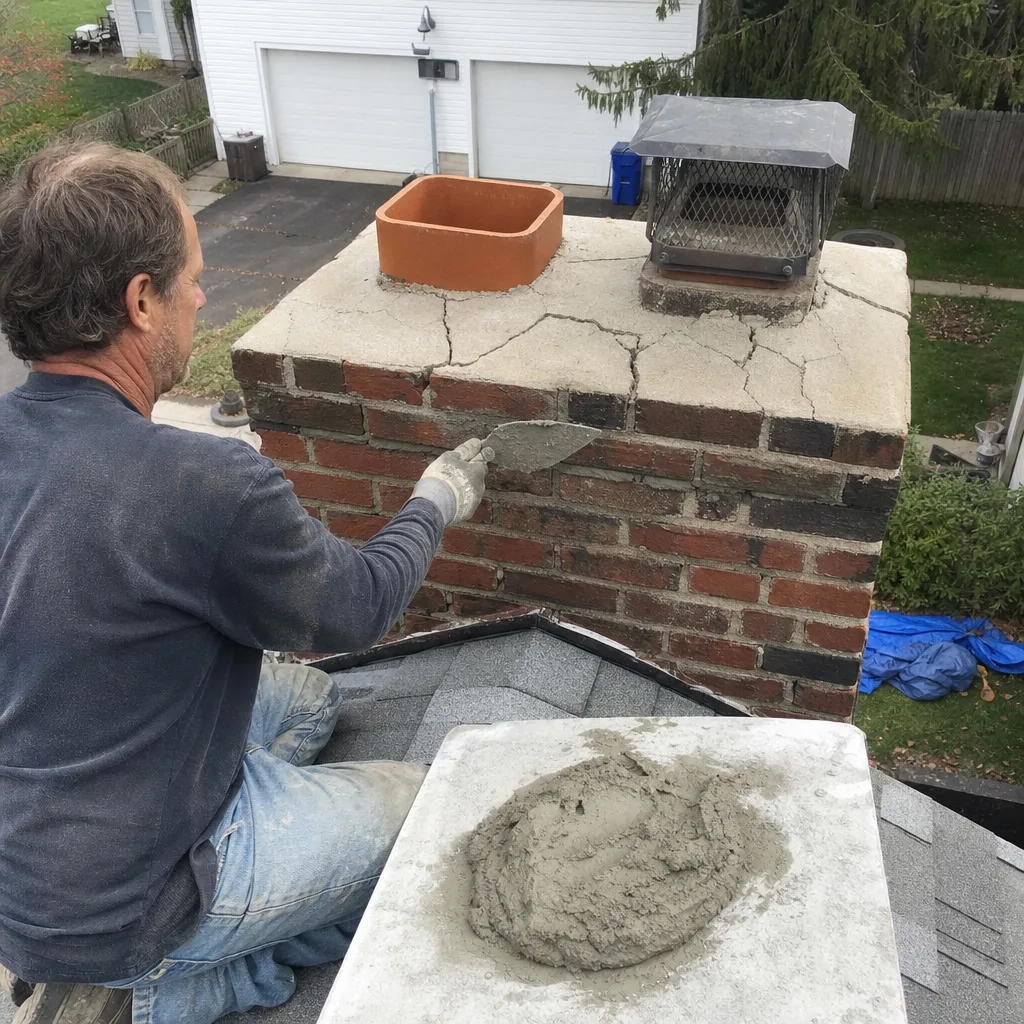
Call for a professional Level 2 inspection with camera documentation if: you’ve never had one and burn wood regularly; you’re buying or selling a home in Downingtown; you’ve changed your heating appliance or fuel type; you notice draft problems, smoke spillage, or unusual odors; or you’ve performed DIY cleaning for multiple seasons without professional verification. If you’re hiring for the first time, our How to Hire a Chimney Cleaning Contractor in Downingtown: A Step-by-Step Guide walks you through what to ask.
Level Two Chimney Downingtown offers free estimates in Downingtown. Every estimate includes a written price, written scope, and written warranty before any work begins, under Haven Standard Clause 1. Call (484) 558-2798.
Frequently Asked Questions
Professional chimney cleaning with Level 2 camera inspection in Downingtown typically ranges from $275 to $425, depending on flue configuration, creosote stage, and accessibility. This includes the documented photo record, written scope, and 365-Day Done Right Promise. Call (484) 558-2798 for an exact quote - estimates are free.
No. Without a prior professional camera inspection, you don’t know your flue’s condition, configuration, or creosote stage. Brushing an unknown system risks missing critical damage or worsening existing problems. The first step is always a Level 2 inspection to establish baseline documentation.
NFPA 211 recommends annual inspection for all chimney systems, with cleaning frequency determined by creosote accumulation. Most Downingtown homeowners who burn wood 2-3 times weekly during heating season need annual cleaning. Those with gas or pellet systems may need less frequent service, but still require annual inspection for venting integrity.
Accumulated creosote increases fire risk, restricts draft (causing smoke spillage and carbon monoxide hazard), and accelerates liner deterioration from acidic condensation. In Downingtown’s freeze-thaw climate, water infiltration combined with creosote acidity degrades masonry faster. The documented consequence: chimney fires peak in January and February, immediately after holiday burning season. Call (484) 558-2798 for an exact quote - estimates are free.
More frequent cleaning doesn’t repair cracked, spalled, or detached liners. If camera inspection shows liner compromise, continued use risks combustion gas leakage into living spaces or wall cavities. The decision requires seeing the camera footage yourself. We provide the photo record and explain what we’re seeing; nothing is recommended without evidence you can examine. Call (484) 558-2798 for an exact quote - estimates are free.
Level 1 is a visual examination of accessible portions, appropriate for unchanged systems with no known problems. Level 2 includes camera scan of the full flue interior, smoke chamber, and accessible portions of the firebox and exterior, required for real estate transactions, new appliance installations, or any suspected damage. Level Two Chimney Downingtown performs Level 2 as standard on every visit, not as an upgrade.
The Bottom Line
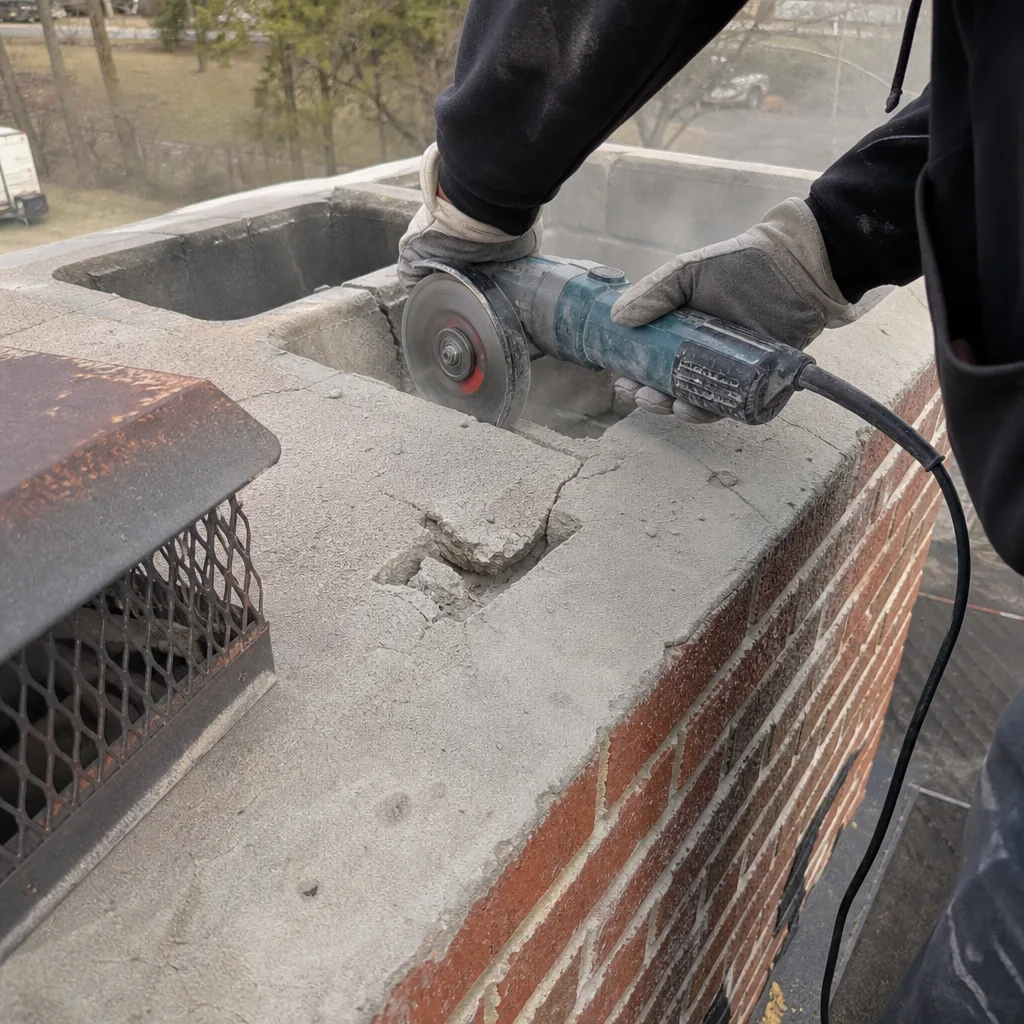
DIY chimney cleaning has a place, but it’s narrow: straight prefab flues, Stage 1 creosote, with a recent professional baseline and written documentation to compare against. For the majority of Downingtown homes with masonry construction, clay tile liners, offset flues, or any unknown history, professional service with camera documentation is the only approach that protects safety, property value, and insurance compliance. The real cost comparison isn’t brush kit vs. sweep fee; it’s the cost of missing what you didn’t know to look for. Since 2009, we’ve documented those misses and their consequences across 38,000 inspections. For more guides & resources on protecting your home, explore our blog. The pattern is clear: what the camera finds, and the record proves, matters more than what the brush removes.
Written by Corrine Halstead, Owner at Level Two Chimney Downingtown, serving Downingtown since 2009.