
Last updated September 22, 2026
Level 1 sweep and inspection to the NFPA 211 annual standard - flue, crown, cap, and flashing checked and photographed
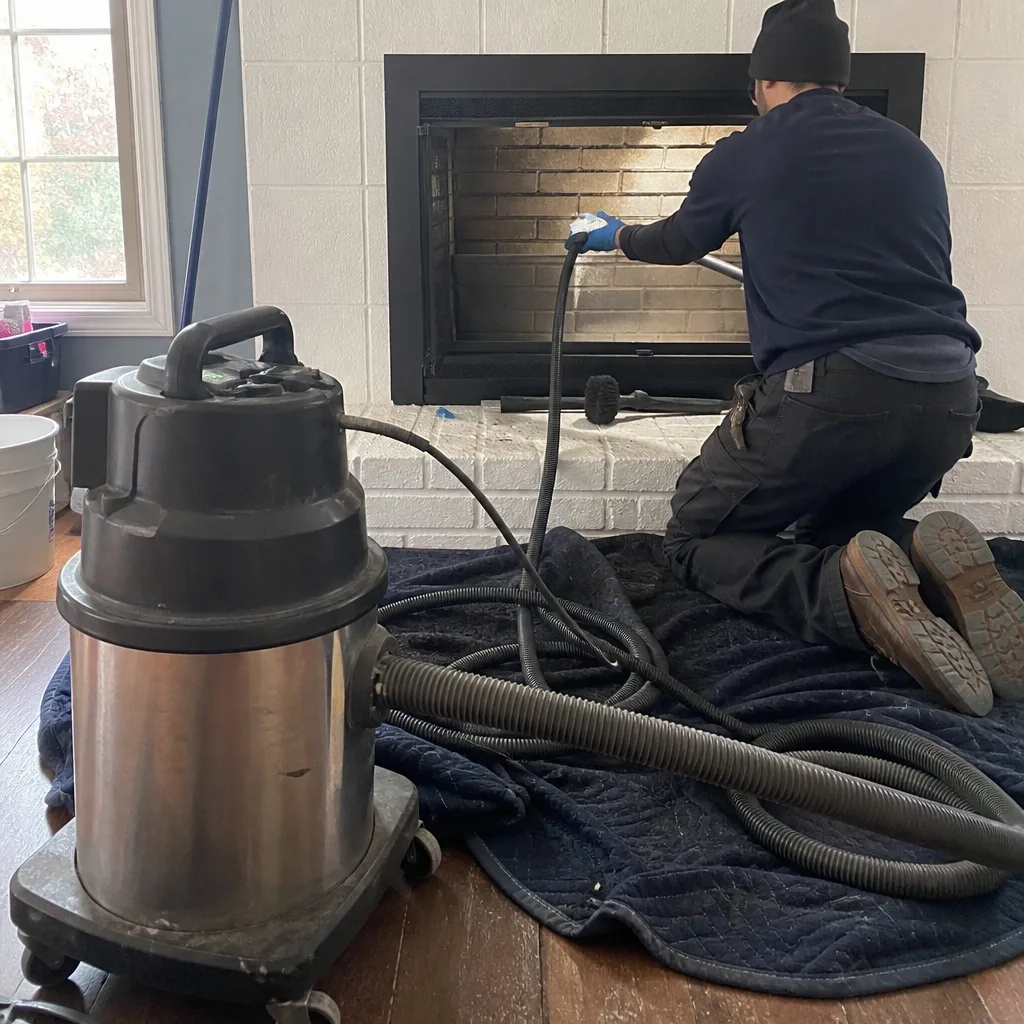
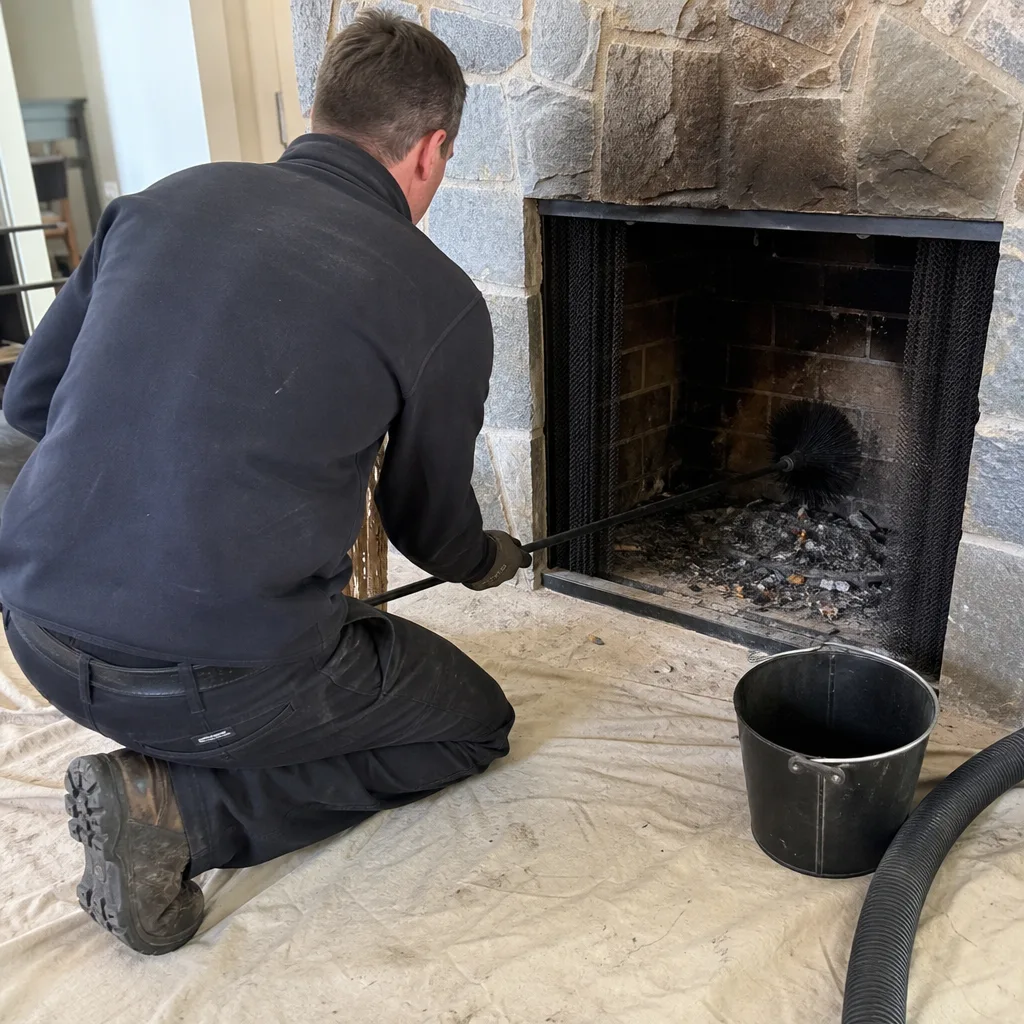
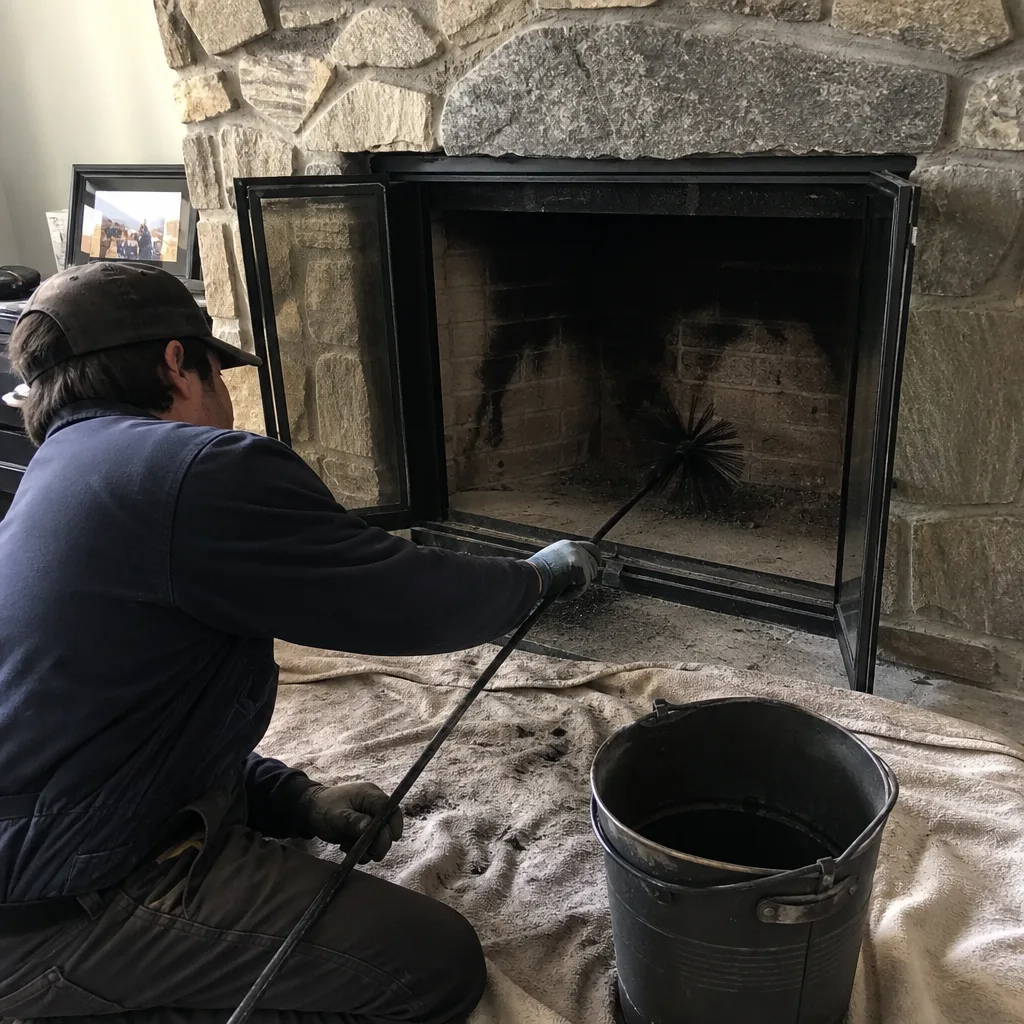
Chimney sweep logs do not sweep chimneys. They loosen some creosote - which then falls where a brush and vacuum still have to collect it.
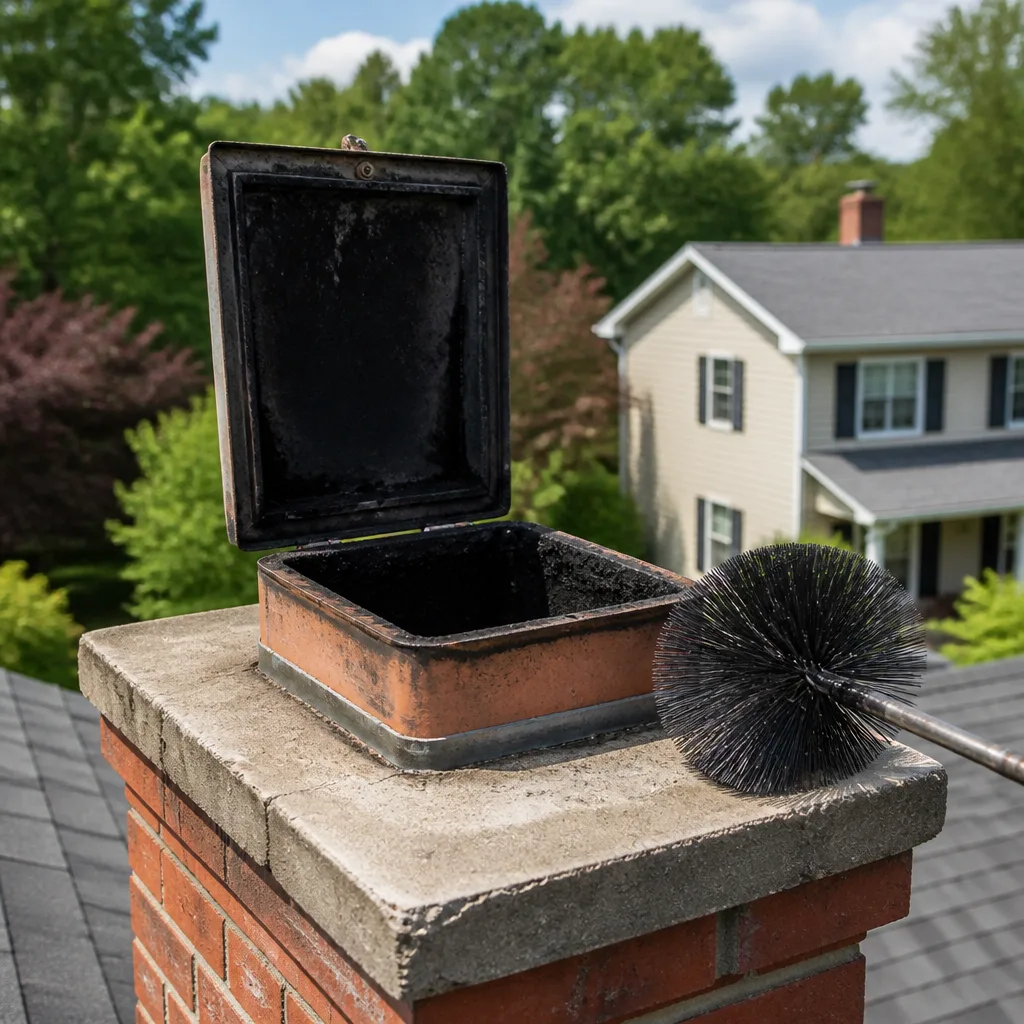
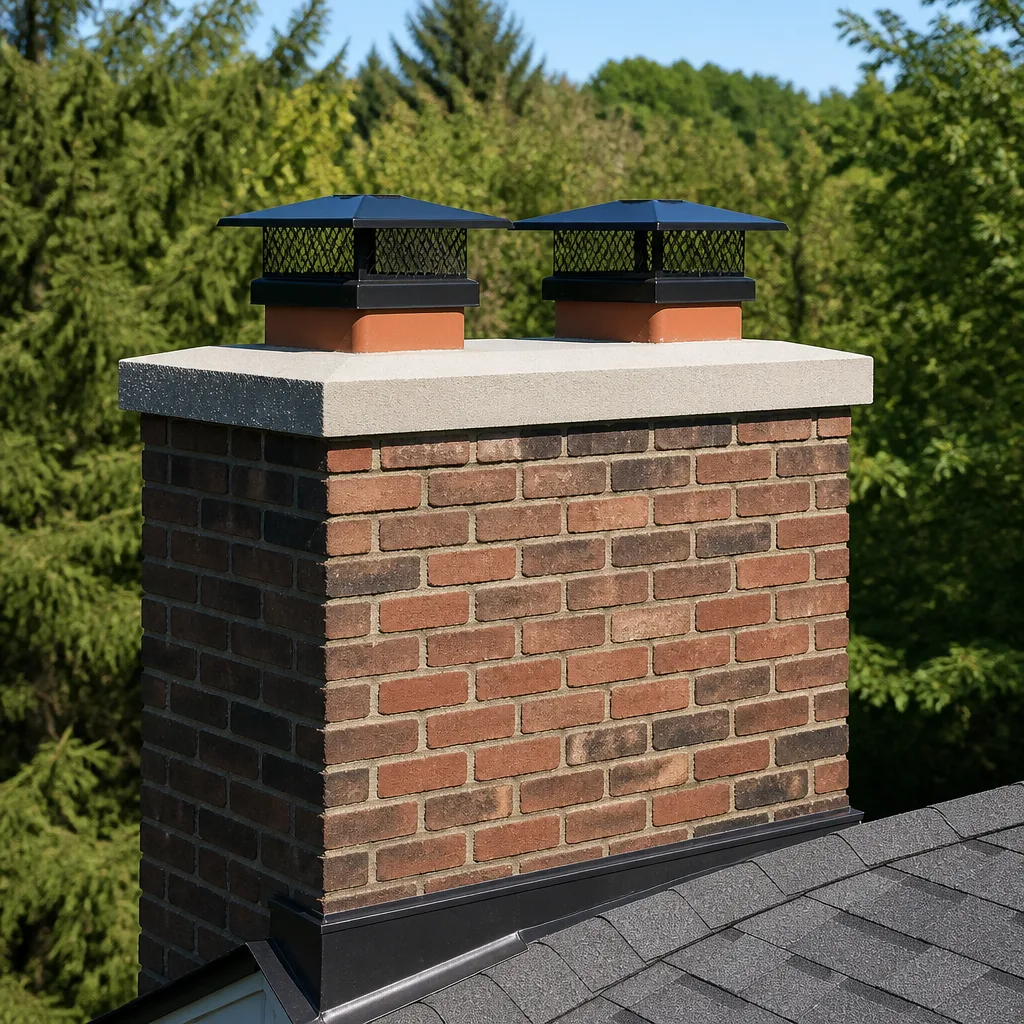
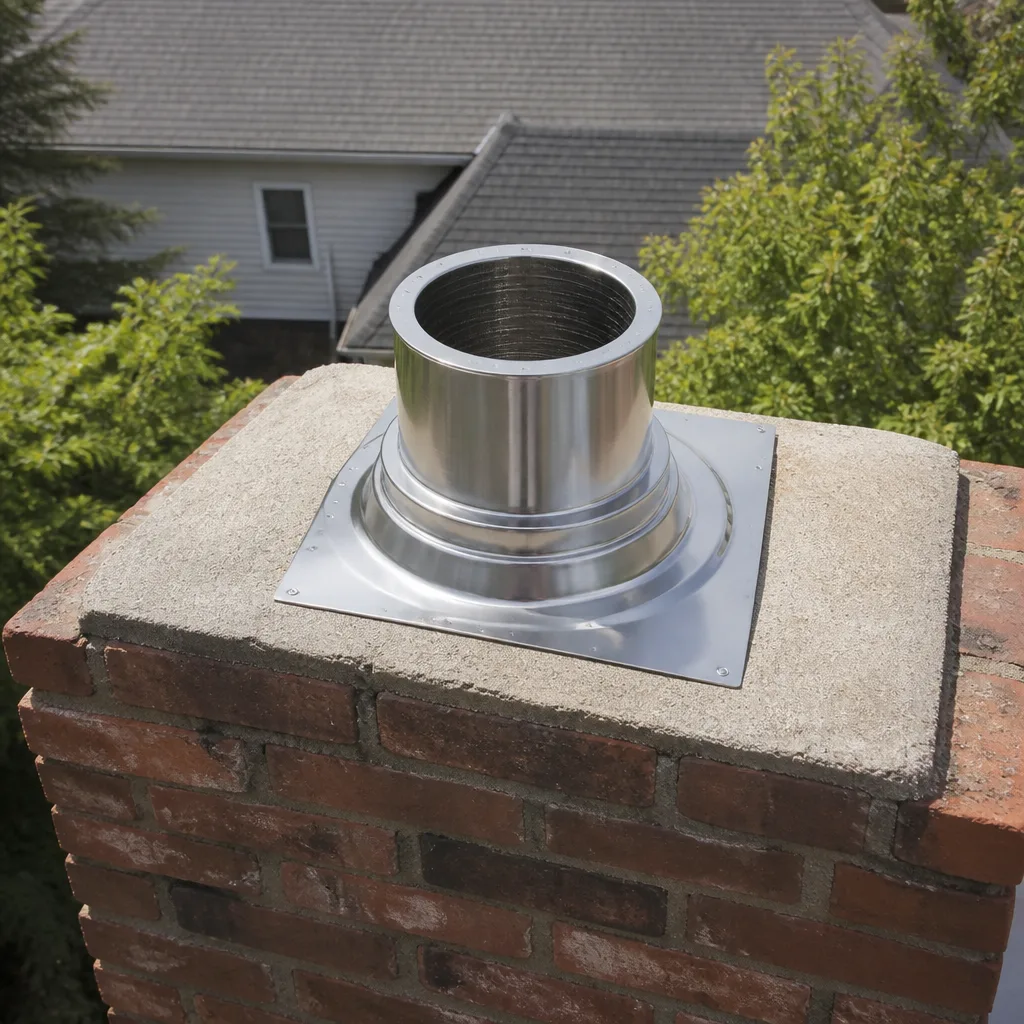
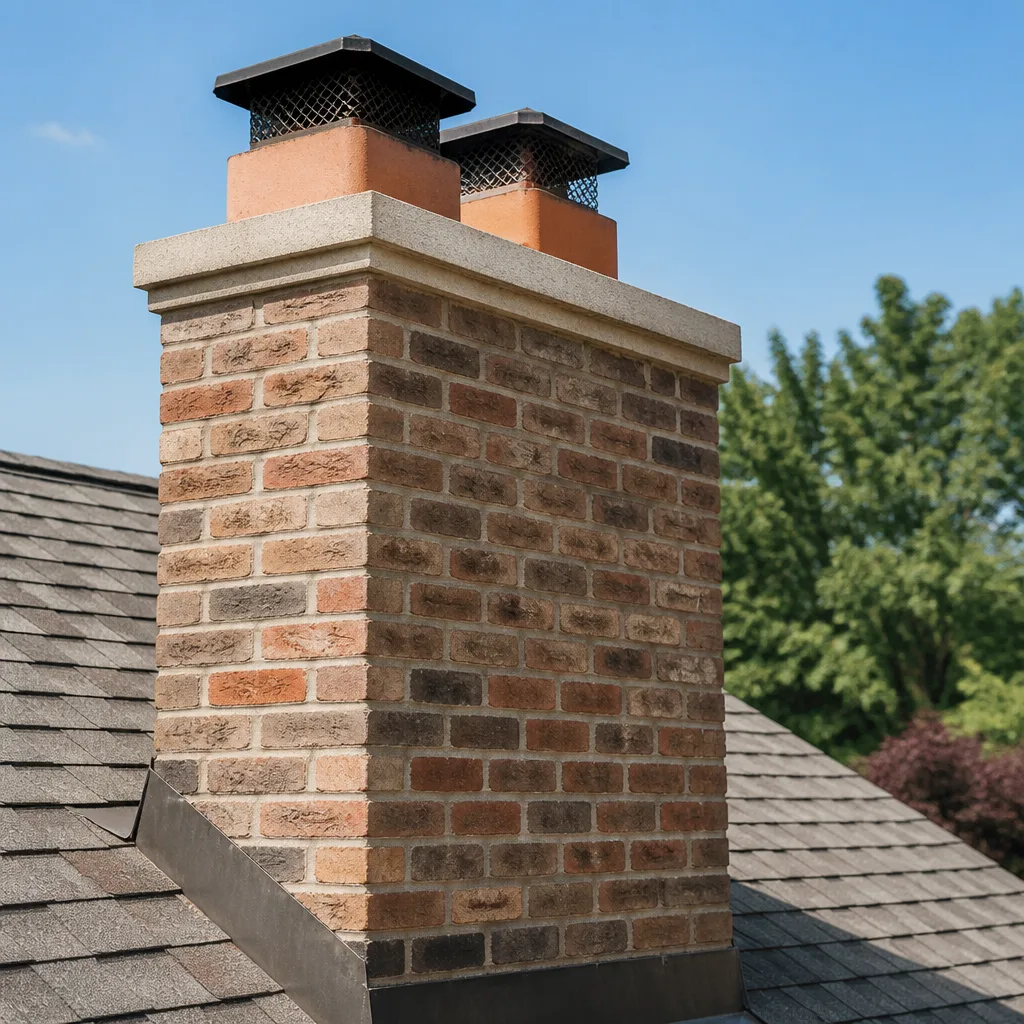
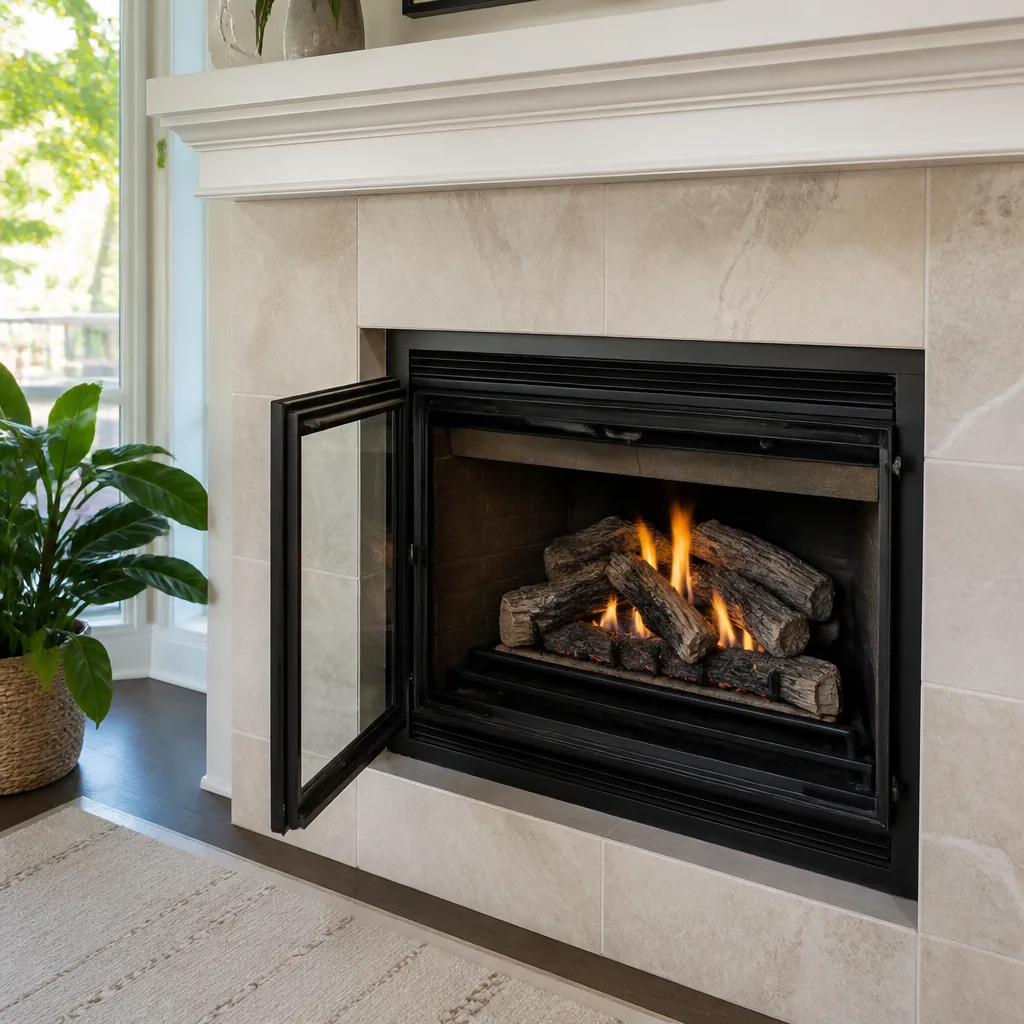
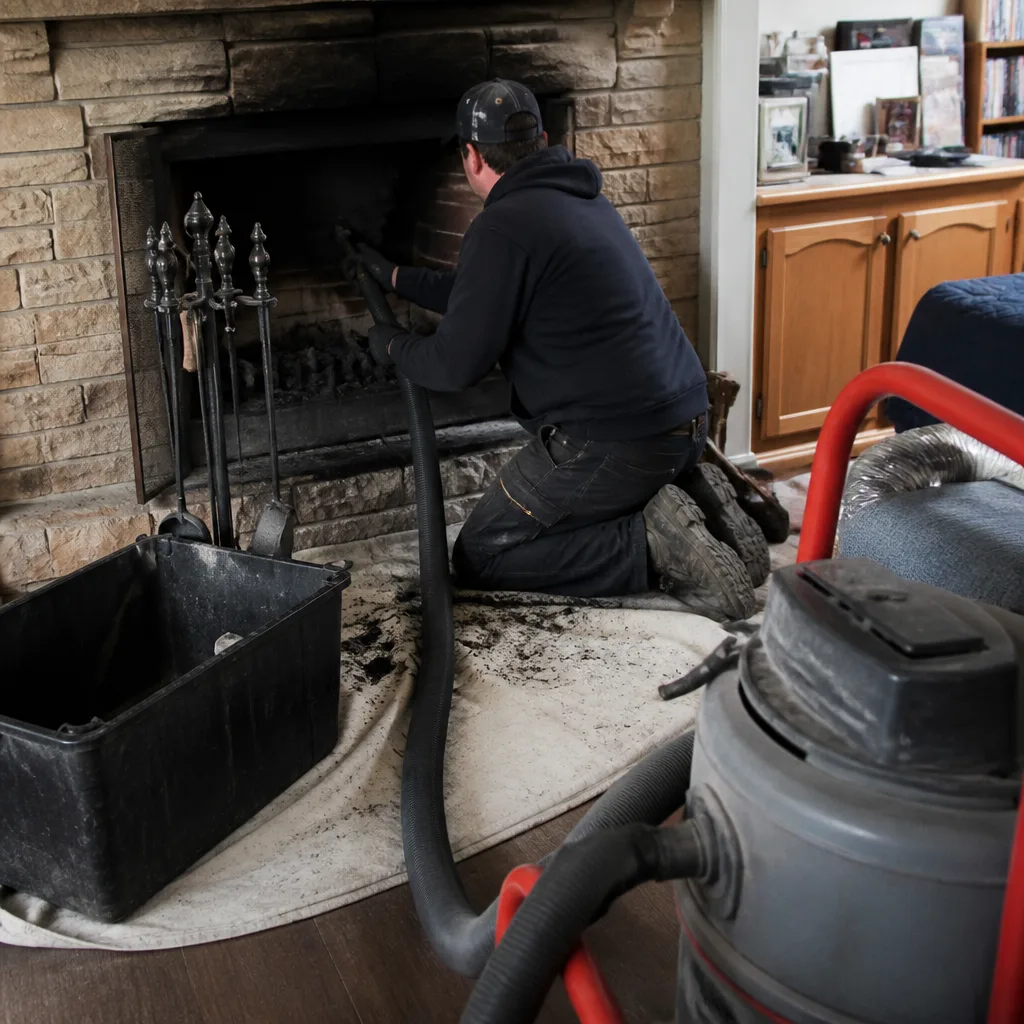 Before
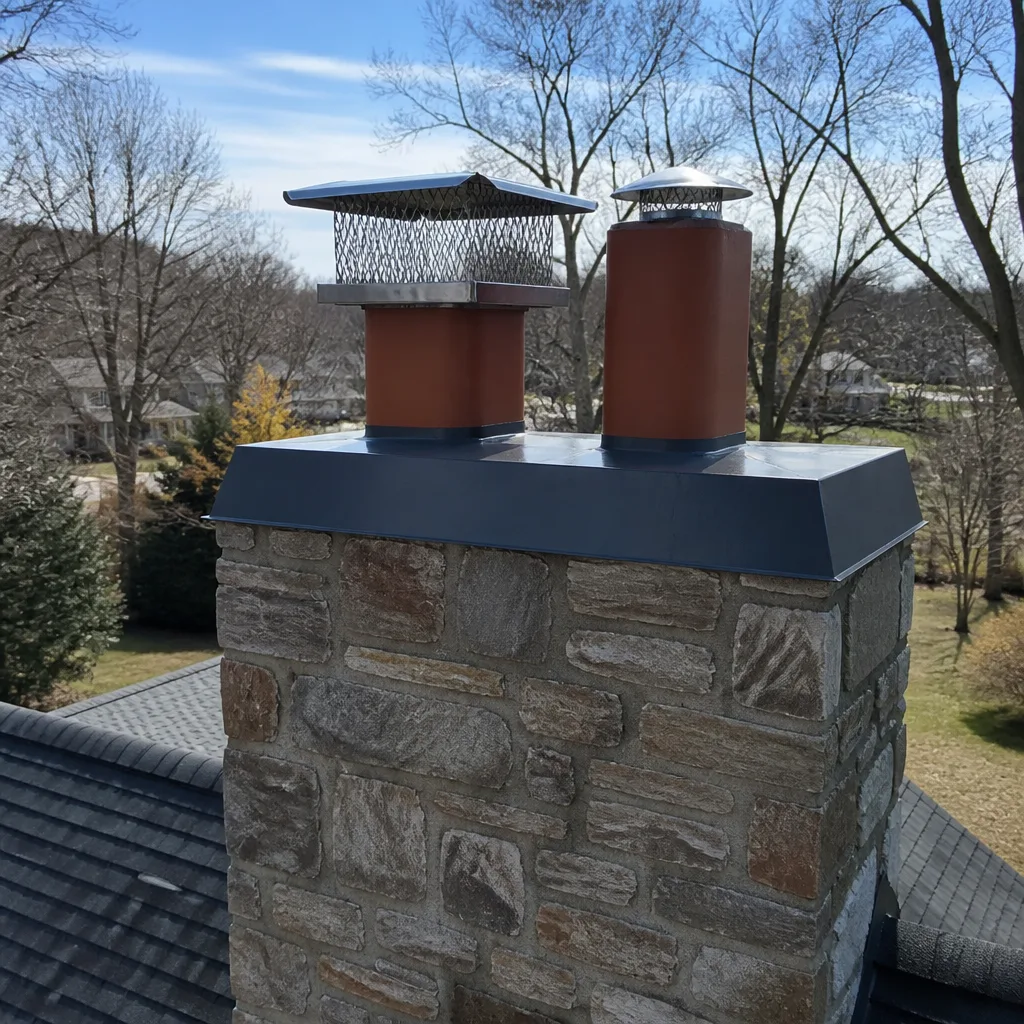 After
After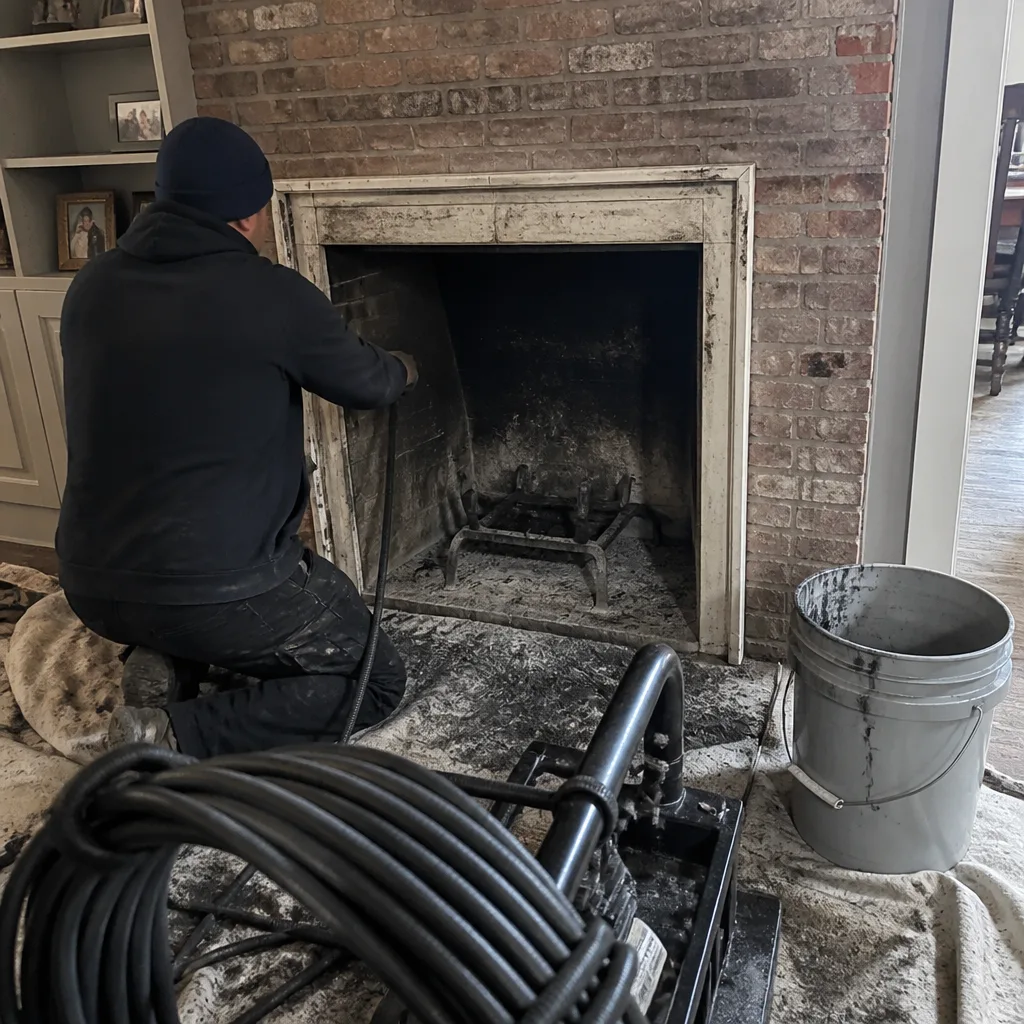 Before
 After
After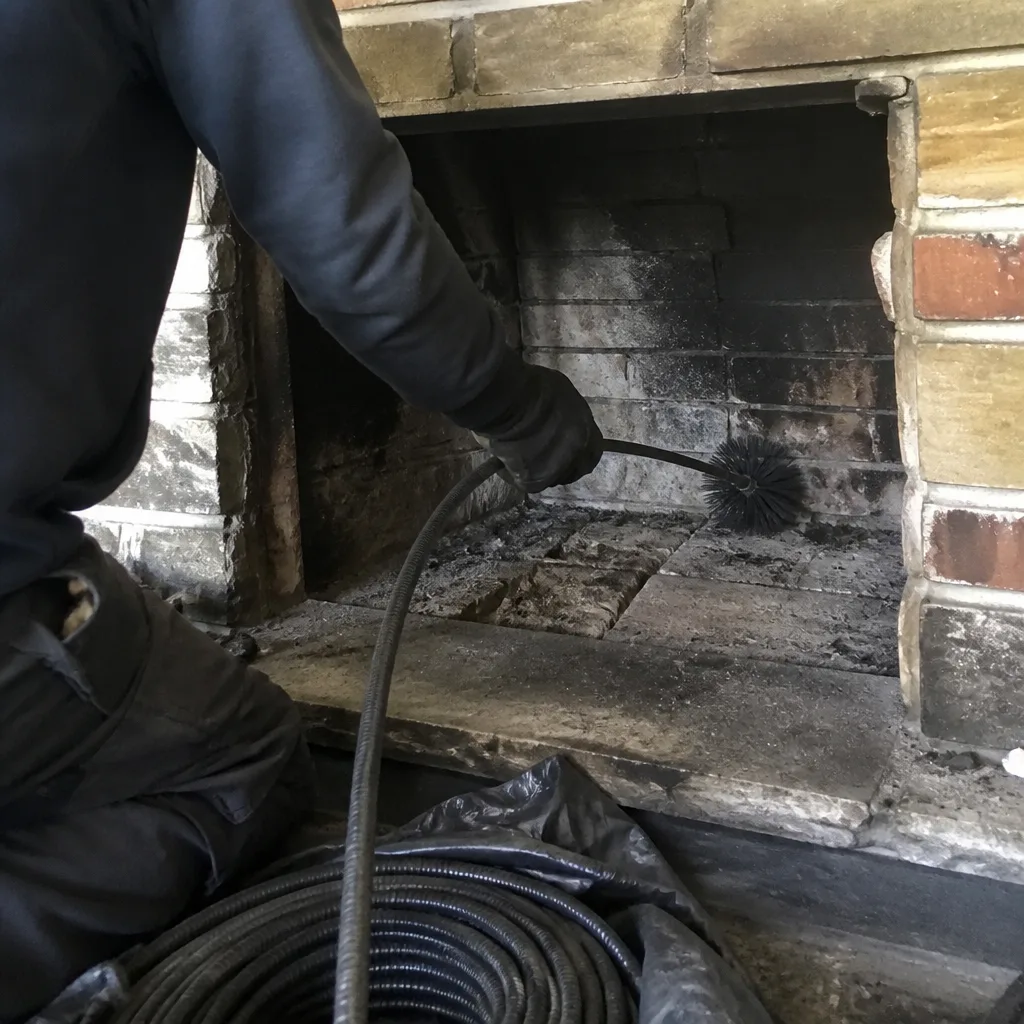 Before
 After
AfterChimney Cleaning & Sweep Maintenance Checklist for Downingtown Homeowners
Most chimney maintenance checklists floating around the internet were written for contractors, not homeowners. They tell you to “check the damper” without describing what a failing damper sounds like, or to “inspect the crown” without explaining that a hairline crack in March becomes a quarter-inch gap by November in Downingtown’s freeze-thaw cycle. After 38,000 inspections across Chester County, we’ve learned that a checklist only works when each item has a pass/fail condition and a real consequence attached. This guide gives Downingtown homeowners a room-by-room, season-by-season checklist with specific failure points and the repair costs those failures typically generate. For a deeper look at when problems develop, see our Chimney Cleaning Warning Signs: A Downingtown Homeowner’s Reference Guide.
Quick Answer
A complete chimney maintenance checklist for Downingtown homeowners includes six components: firebox floor, smoke chamber, damper, flue liner, crown, and cap. Each should be inspected on a schedule tied to burning hours, not calendar months, with a documented photo record for insurance. A professional Chimney Cleaning & Sweep provides this documentation while removing hazardous creosote buildup. Skipping one cleaning cycle in Downingtown typically defers $400-$1,200 in preventable repairs; skipping three cycles often triggers $3,500-$8,000 in liner or masonry work.
Table of Contents
- Room-by-Room Checklist: What to Inspect and What Failure Looks Like
- Downingtown Seasonal Triggers: Freeze-Thaw, Humidity, and Burning Patterns
- What You Can Safely Check Yourself vs. What Requires a Camera
- How to Log Maintenance History for Insurance Documentation
- The Real Cost of Deferred Maintenance: 1, 3, and 5 Years
- NFPA 211 Level 2: What the Standard Actually Requires
- Common Mistakes to Avoid
- When to Call a Professional
- Frequently Asked Questions
- The Bottom Line
 Before
 After
AfterRoom-by-Room Checklist: What to Inspect and What Failure Looks Like
A chimney is not one thing. It’s a system of six components, each with its own failure mode, inspection method, and typical repair cost in the Downingtown market. Here’s what to look for, what it means when you find it, and what happens if you don’t address it.
1. Firebox Floor and Refractory Panels
The firebox is where combustion happens. In Downingtown, we see two common failure patterns: cracked refractory panels in prefabricated metal fireplaces, and spalling or shifting firebrick in masonry units.
Pass condition: Panels or brick are intact, with no gaps wider than a nickel. Mortar joints are flush and firm.
Fail condition: Cracks that let light through, crumbling mortar, or brick faces that flake off when scraped with a key. A shifted hearth brick means the foundation beneath has settled, common in the clay-heavy soils around Downingtown’s Marsh Creek watershed.
Consequence: Heat escapes through cracks into surrounding framing. In a 2019 case in Bradford Hills, a cracked refractory panel allowed pyrolysis of adjacent 2x4s over three burning seasons. The repair was $2,800 for firebox reconstruction plus $1,400 in surrounding drywall and framing. The initial panel replacement would have run $340-$620.
2. Smoke Chamber
The smoke chamber is the area above the damper and below the flue liner. It’s shaped like an upside-down funnel to direct smoke into the flue. Most Downingtown homes built before 1990 have corbeled brick smoke chambers with rough, stepped surfaces that collect creosote.
Pass condition: Smooth or parged surface, no exposed mortar gaps, no significant creosote buildup.
Fail condition: Exposed mortar joints, gaps larger than a pencil eraser, or glazed, tar-like creosote coating. A rough surface creates turbulence; smoke lingers, cools, and deposits more creosote.
Consequence: Smoke chamber parging runs $1,800-$3,200 in Downingtown. ChamberSafe, a refractory coating we apply with trowel and brush, seals the surface and improves draft. Left unaddressed, a rough smoke chamber is a leading contributor to fireplace smoking problems and accelerated creosote accumulation.
3. Damper
The damper is a metal plate that seals the flue when the fireplace is not in use. It operates by handle, chain, or rotary control.
Pass condition: Opens fully without binding. Closes with a firm seal, no visible gaps when viewed from below with a flashlight. No rust flakes or warping.
Fail condition: Handle spins without engaging. Plate is stuck open or closed. Visible daylight around the perimeter when closed. Loud grinding or popping when operated, indicating thermal warping.
Consequence: A stuck-open damper bleeds heated air 24/7. In a 2,400 square foot Downingtown home, we’ve measured $180-$340 in additional annual heating costs. A stuck-closed damper forces smoke into the living space. Replacement with a top-sealing damper, which seals at the chimney cap and eliminates the throat damper entirely, typically runs $680-$1,040 installed with a stainless steel cap from Gelco or Famco.
4. Flue Liner
The flue liner is the protective channel that carries combustion gases from the firebox to the exterior. In Downingtown, we see clay tile liners in homes built before 1985, stainless steel in most post-1990 construction, and unlined chimneys in some pre-1950 farmhouses.
Pass condition: No visible cracks, gaps, or spalling when viewed with a camera. Tile joints are aligned. Stainless steel shows no corrosion pits or separation at joints.
Fail condition: Cracked tile (even hairline), missing mortar between tiles, spalled clay surfaces, or corrosion holes in steel. Shaling, where tile flakes delaminate and fall into the firebox, indicates advanced deterioration from thermal shock.
Consequence: A compromised liner allows heat and combustion gases into the chimney structure. Carbon monoxide can leak into wall cavities. Chimney fires can escape the flue and ignite framing. Chimney repair in Downingtown for liner replacement typically runs $2,800-$6,500 depending on height, diameter, and access. We use DuraFlex and Olympia Chimney stainless steel liners, sourced through our Haven buying network to keep pricing transparent.
5. Chimney Crown
The crown is the concrete or mortar slab that seals the top of a masonry chimney, shedding water away from the flue opening.
Pass condition: Intact surface with a visible slope away from the flue. No cracks wider than a credit card edge. Drip edge overhangs the brick by at least 2 inches.
Fail condition: Cracks that penetrate full depth, pooling water, crumbling edges, or separation from the flue tile. In Downingtown, freeze-thaw cycles begin in late October and run through April; water enters cracks, expands when frozen, and widens them exponentially.
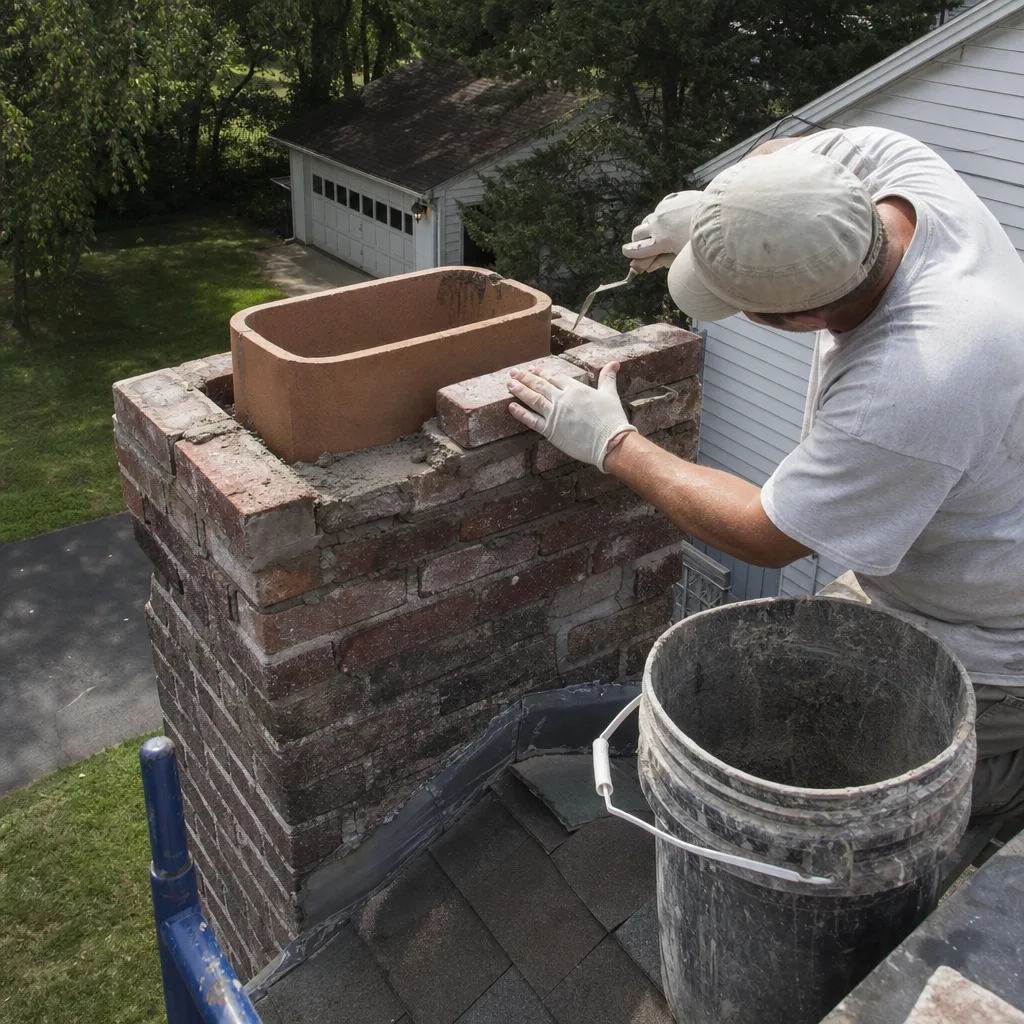
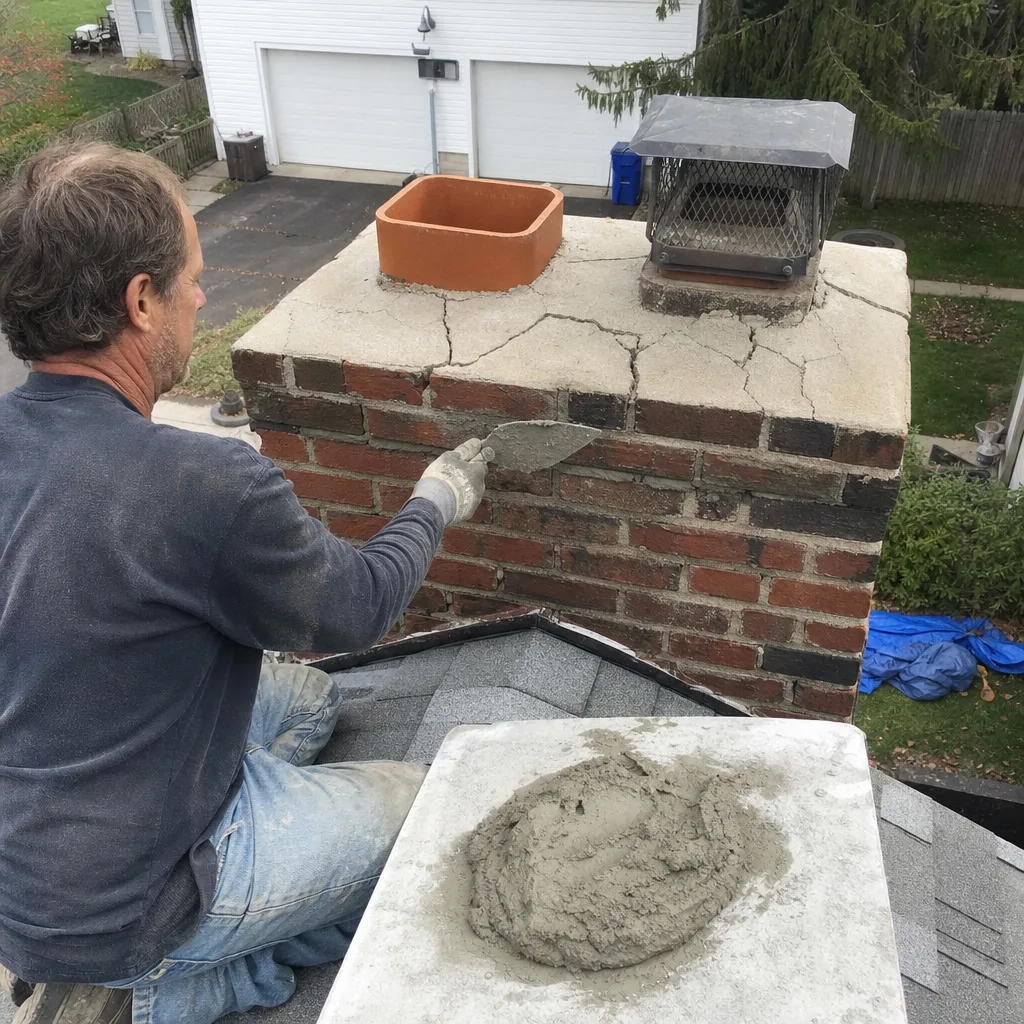
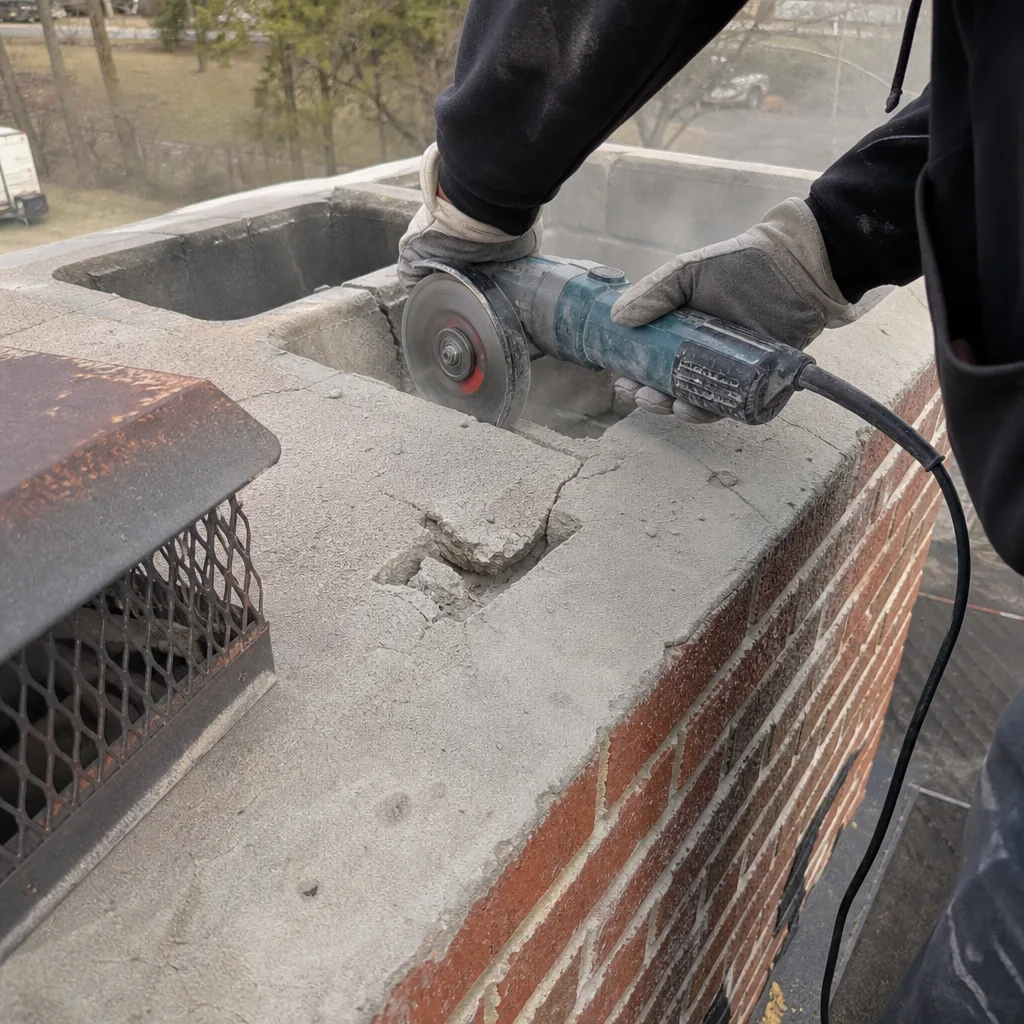
Consequence: Crown rebuild with proper reinforcement and slope runs $1,200-$2,400. Left unaddressed, water infiltrates the chimney structure, causing spalling brick, deteriorated mortar, and interior water damage. We’ve rebuilt chimneys in Downingtown’s West End where deferred crown maintenance led to $8,500 in total masonry reconstruction.
6. Chimney Cap and Spark Arrestor
The cap is a metal cover that protects the flue opening from rain, animals, and debris. A spark arrestor is mesh screening that prevents ember escape.
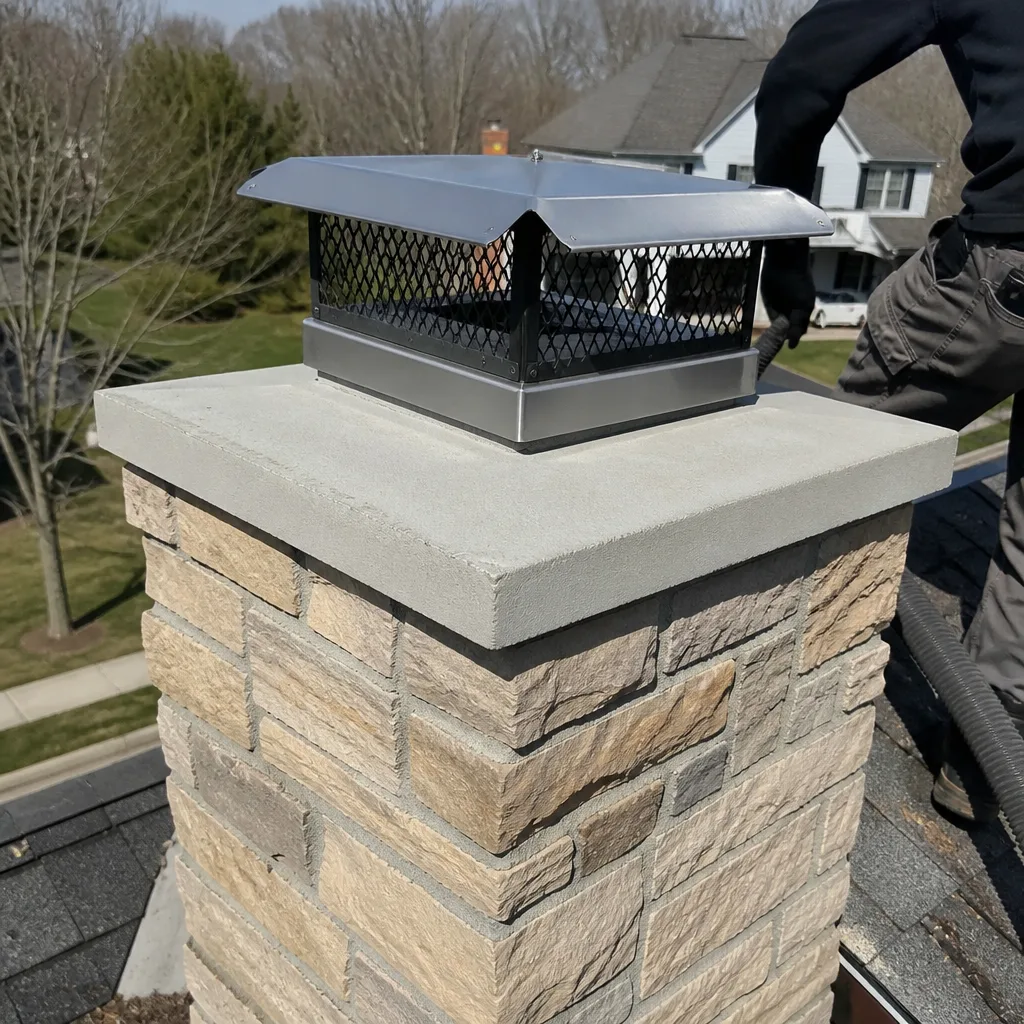
Pass condition: Securely attached, no rust holes, mesh intact with 5/8-inch or smaller openings, adequate clearance from flue tile.
Fail condition: Missing or loose cap, rusted-through sections, damaged or missing mesh, or incorrect sizing that traps moisture. We regularly find squirrel and raccoon entry in Downingtown’s tree-canopied neighborhoods like Uwchlan Township and the hills above Marsh Creek.
Consequence: Cap replacement runs $280-$680 depending on size and material. Animal nesting in an uncapped flue blocks airflow and introduces combustible debris. In 2022, a Downingtown homeowner discovered a starling nest that had partially obstructed the flue; the resulting smoke backup set off CO detectors and required $420 in cleaning and cap installation.
Downingtown Seasonal Triggers: Freeze-Thaw, Humidity, and Burning Patterns
Downingtown’s climate creates specific, predictable stress on chimney systems. Understanding these triggers lets you time inspections before damage accumulates.
Fall: Pre-Burning Inspection Window (September-October)
The critical window is six weeks before first fire. Summer humidity in Chester County, typically 65-75% RH from June through August, accelerates creosote oxidation in flues that were not thoroughly cleaned the prior spring. Oxidized creosote becomes harder, more acidic, and more difficult to remove. A September inspection catches this before the first heating cycle bakes it further.
Freeze-thaw risk begins with the first overnight below 32°F, usually mid-October in Downingtown. Any water infiltration from crown cracks or missing cap flashing will begin its expansion cycle.
Action: Schedule camera inspection and sweep by October 15. Document condition before burning season. For full seasonal preparation steps, read The Complete Guide to Chimney Cleaning in Downingtown.
Winter: Active Burning and Thermal Stress (November-March)
Downingtown homeowners burn an average of 2.5-4 cords annually depending on home size and insulation. Each cord of hardwood generates enough flue gas to deposit 1/8 to 1/4 inch of creosote under normal conditions; softwoods or poor draft can double this.
Thermal shock is the hidden winter risk. A flue liner at 40°F that receives 600°F combustion gases within minutes experiences differential expansion. Clay tile liners, especially those with existing micro-cracks from prior seasons, fail catastrophically under this stress. This is why we see most liner failures in January, not during mild weather.
Action: Mid-season check if burning exceeds 2 cords before January 1. Monitor for new smoke chamber odors, damper sticking, or exterior staining.
Spring: Post-Burning Assessment (April-May)
The end of burning season is the optimal time for major repair scheduling. Creosote is at its freshest and easiest to remove. Masonry repairs cure properly in 50-70°F temperatures with moderate humidity. Contractors have availability before the fall rush.
Spring also reveals winter damage: spalled brick from freeze-thaw, crown cracks widened by ice, and flashing separation from roof expansion and contraction.
Action: Schedule post-season sweep and condition assessment by May 15. Book major repairs for June-August completion.
Summer: Humidity and Animal Activity (June-August)
High humidity accelerates metal component corrosion, particularly in older galvanized dampers and caps. Animal nesting peaks in late May and June. Uncapped flues become entry points.
Action: Visual exterior inspection monthly. Verify cap integrity after severe storms. Address any vegetation growth within 10 feet of chimney, as falling branches damage caps and crowns.
What You Can Safely Check Yourself vs. What Requires a Camera
We believe in homeowner education, but we also believe in accurate boundaries. Some checks are safe and useful; others require specialized equipment and training. Here’s the line we draw on every chimney cleaning and sweep in Downingtown.
Three Checks You Can Do Yourself
- Damper operation. Open and close the damper fully. Listen for grinding, popping, or metallic scraping. Look up with a flashlight; the closed plate should show no gaps of light. If the handle mechanism is loose or the plate doesn’t seat, note it for the professional. This takes two minutes and requires no tools.
- Firebox visible cracks. With the damper open and daylight entering, examine refractory panels or firebrick. Run a key or coin along mortar joints; crumbling material will powder off. Cracks that you can fit a nickel into need professional evaluation. Hairline surface crazing in refractory panels is normal; through-cracks are not.
- Exterior cap condition. From ground level with binoculars, or from a safely accessible roof edge (not on a ladder), verify the cap is present, centered, and shows no obvious rust holes or tilt. Check after high-wind events. Do not climb onto the roof; falls from chimney height are frequently fatal.
Four Checks That Require a Camera and Trained Eye
- Flue liner interior. Hairline cracks in clay tile, corrosion pitting in steel, and mortar joint gaps are invisible from below and undetectable by flashlight. Our camera system, deployed under NFPA 211 Level 2 protocol, documents every linear foot. In 2023, we found 34% of Downingtown flues had defects not visible from the firebox.
- Smoke chamber surface. The chamber is above the damper, typically 2-4 feet up, with no access large enough for human entry. A camera on a pole or chimney sweep’s mirror reveals parging condition, creosote accumulation patterns, and structural gaps.
- Crown underside and flue tile interface. Water entry often begins at the joint between flue tile and crown. This requires rooftop access and close visual inspection, plus sometimes moisture meter readings of adjacent masonry.
- Chimney interior structure. Spalling brick, deteriorated mortar, and liner displacement are assessed from the roof or through cleanout doors. Structural evaluation requires understanding of load paths and local code requirements.
Safety note: Do not attempt to clean your own flue with brushes or rods. Class III glazed creosote, common in Downingtown homes that burn 3+ cords annually, requires rotary mechanical removal with controlled torque. Improper technique can damage liners, dislodge tile, or create a fire hazard from falling debris.
How to Log Maintenance History for Insurance Documentation
Homeowners insurance claims for chimney-related fire or water damage are increasingly denied when maintenance records are absent or incomplete. After 38,000 jobs, we’ve learned what documentation actually satisfies adjusters.
The Format That Works
Create a simple file, digital or physical, with these elements for each service:
- Date of service and technician name
- Service performed (sweep, inspection, repair with scope)
- Condition found - specific, not generic (“3/8-inch crown crack at northeast corner, water staining on smoke chamber wall at 18 inches above damper”)
- Photo documentation - minimum 4 images: firebox, damper area, flue liner (camera frame), exterior crown/cap
- Written scope and price - what was done, what was recommended, what was declined
- Warranty or guarantee document
Clause 4 of the Haven Standard requires a documented photo record on every job. We provide this automatically, stamped with job number and date, suitable for insurance submission. Homeowners who use our service receive a PDF within 24 hours of completion.
What Insurance Actually Asks For
In three denied-claim cases we’ve reviewed for Downingtown homeowners, the adjuster requested:
- Proof of NFPA 211-compliant inspection within 12 months of loss
- Evidence that recommended repairs were either completed or documented as declined
- Photo or video evidence of pre-loss condition
A handwritten receipt saying “chimney cleaned $180” satisfies none of these. A detailed report with dated photos, written scope, and technician license number satisfies all three.
Retention Schedule
Keep records for the life of homeownership plus seven years. Digital storage is acceptable; we recommend cloud backup with date-stamped filenames. If you sell your Downingtown home, transfer records to the buyer. Disclosure laws in Pennsylvania require known defects be reported; documented maintenance history demonstrates due diligence.
The Real Cost of Deferred Maintenance: 1, 3, and 5 Years
We don’t use scare tactics. We use repair invoices. Here’s what deferred chimney maintenance actually costs in the Downingtown market, based on our 38,000-job history.
Year 1: The Ignored Sweep
A homeowner skips the annual sweep. Burning continues. Creosote accumulates from 1/8 inch to 3/8 inch. The damper develops light corrosion from summer humidity. A small crown crack from winter freeze-thaw widens slightly.
| Deferred Item | Cost if Addressed Promptly | Cost After 1 Year Deferred |
|---|---|---|
| Standard sweep and inspection | $220-$320 | $280-$400 (heavier creosote, longer labor) |
| Damper corrosion cleaning and adjustment | $0 (included in sweep) | $180-$280 |
| Crown crack seal (minor) | $180-$280 | $340-$520 (wider crack, possible water entry damage) |
| Total | $400-$600 | $800-$1,200 |
The real cost is not just money. It’s the lost opportunity to document condition. If a chimney fire occurs in year two, the insurer notes the skipped maintenance and may reduce or deny the claim.
Year 3: The Compound Effect
By year three without professional service, creosote has likely reached Class III glazed condition, requiring rotary mechanical removal. The crown crack has penetrated to reinforcement, or the crown has begun spalling. Water entry has deteriorated mortar joints in the top 3-4 courses of brick. The flue liner, subjected to thermal shock with no inspection, may have developed cracks invisible from below.
| Deferred Item | Cost if Addressed Promptly | Cost After 3 Years Deferred |
|---|---|---|
| Three annual sweeps | $660-$960 | $680-$980 (single heavy cleaning) |
| Crown rebuild | $180-$280 (year 1 seal) | $1,200-$2,400 |
| Tuckpointing (top courses) | $0 | $1,400-$2,800 |
| Flue liner inspection/repair | $0 (camera included in sweep) | $2,800-$6,500 (if cracked) |
| Total | $840-$1,240 | $6,080-$12,660 |
In 2021, a homeowner in Downingtown’s Millview neighborhood contacted us after five years without service. The chimney required full liner replacement ($4,800), crown rebuild ($1,800), and tuckpointing of the top six courses ($2,400). The original five years of maintenance would have cost $1,100-$1,600.
Year 5: The Structural Event
By year five, deferred maintenance typically triggers structural intervention. Water infiltration through the crown has saturated the chimney structure. Freeze-thaw cycles have spalled brick faces and deteriorated mortar throughout. The flue liner is compromised, potentially allowing combustion gas leakage. The smoke chamber may have significant creosote buildup creating a severe fire hazard.
Typical five-year deferred maintenance reconstruction in Downingtown: $8,500-$18,000. This includes partial or full chimney rebuild, liner replacement, crown construction, and often interior drywall repair from water damage.
The Level Two Chimney Downingtown home page outlines our full service range for these scenarios. Our preference, and our advice, is to prevent them.
NFPA 211 Level 2: What the Standard Actually Requires
NFPA 211 is the National Fire Protection Association standard for chimneys, fireplaces, vents, and solid fuel-burning appliances. Most homeowners have heard of it; few understand what the levels mean.
Level 1: Visual inspection of readily accessible portions. No tools, no rooftop access, no camera. Suitable for annual maintenance when no changes have occurred.
Level 2: Inspection of all accessible portions, including rooftop, attic, and crawl space if applicable. Requires video scanning of the flue interior. Mandatory upon sale or transfer of property, after chimney fire or seismic event, or when changes are made to the system. This is our default on every visit, regardless of circumstance.
Level 3: Destructive inspection, involving removal of building materials to access concealed areas. Rare; triggered when Level 2 indicates a hazard that cannot be evaluated otherwise.
We adopted Level 2 as our baseline in 2009, before regulators or insurers required it. That practice became Clause 4 of the Haven Standard: documented photo record on every job. When you hire us, you receive:
- Complete camera scan of flue liner, from firebox to crown, with narrated video
- Minimum 8 still images, dated and job-stamped, showing condition before and after
- Written scope of any defects found, with repair options and prices
- Written warranty on work performed, under the 365-Day Done Right Promise
No flashlight look. No verbal report. No “it looks fine from down here.” Documentation is the inspection.
Common Mistakes to Avoid
- Hiring based on lowest price without verifying what’s included. A $99 “sweep special” in Downingtown typically excludes camera inspection, excludes the smoke chamber, and excludes written documentation. The real cost reveals itself in upsold repairs discovered after the tech is in your home. Our price is our price, written before work starts, with scope defined.
- Assuming no fire means no problem. The most dangerous chimneys we inspect are those that “work fine.” Carbon monoxide doesn’t smell. Liner cracks don’t announce themselves. Creosote buildup is invisible from below. Function is not safety.
- Using the fireplace as a diagnostic tool. “We’ll light a fire and see if it smokes” is a test of draft conditions at that moment, not of structural integrity. A chimney can draft adequately with a cracked liner, deteriorated mortar, and significant creosote, right up until it doesn’t.
- Ignoring Downingtown’s specific soil and drainage. The expansive clay soils in Chester County cause more foundation movement than rocky areas. We’ve found shifted hearths and separated chimney structures in neighborhoods like Bradford Hills and the West End that trace directly to soil settlement, not chimney defects. A sweep company that doesn’t know local geology misses this connection.
- Deferring maintenance until home sale. Pennsylvania disclosure law requires sellers to report known defects. A pre-listing inspection that reveals deferred maintenance becomes a negotiation liability. Worse, some sellers attempt quick, cosmetic fixes that don’t address underlying problems. We’ve been called to second-opinion inspections where a “freshly swept” chimney had a cracked liner hidden by new firebrick facing.
- Accepting verbal estimates. Clause 1 of the Haven Standard requires written price, written scope, written warranty before any work begins. Verbal estimates are unenforceable and often escalate. We provide free second opinions on any competitor’s written estimate; bring us paperwork and we’ll review it against what we find.
- Neglecting the cap because “it’s just a cover.” The cap is primary defense against water, animals, and debris. In Downingtown’s wooded neighborhoods, an uncapped flue accumulates leaf debris and becomes a squirrel condominium within one season. Cap replacement is $280-$680. Animal removal, flue cleaning, and repair from nesting damage runs $800-$2,000.
When to Call a Professional
Call for immediate evaluation if you observe any of the following: smoke entering the living space during normal operation; visible cracks in firebox panels or brick that pass light; rust stains on exterior masonry indicating cap or flashing failure; pieces of tile or mortar in the firebox; a stuck damper that cannot be freed with normal force; or carbon monoxide detector activation near the fireplace.
Schedule preventive service if it’s been more than 12 months since your last sweep, if you’ve purchased a home with unknown chimney history, if you’ve changed fuel type or appliance, or if you’re preparing to list your Downingtown property.
Level Two Chimney Downingtown offers free estimates in Downingtown. Every estimate includes a preliminary assessment, written scope, and written price before any commitment. Call (484) 558-2798 to schedule. Our live phone support runs 24 hours a day, 7 days a week; you’ll speak to a person, not a voicemail system.
Frequently Asked Questions
A complete chimney sweep with NFPA 211 Level 2 camera inspection in Downingtown typically runs $220-$340 for a standard masonry fireplace with clay tile liner. Prefabricated metal fireplaces, multi-flue systems, or heavy creosote buildup may extend to $380-$520. This includes the camera scan, photo documentation, written condition report, and written price for any recommended repairs. We do not charge separately for the inspection; it is integral to the sweep. Call (484) 558-2798 for an exact quote based on your specific system; estimates are free.
You need a new liner only if the existing one is compromised or incompatible with your appliance, and only if that compromise creates a safety hazard. We recommend nothing without camera evidence you can see for yourself. Common indicators: cracked clay tile, corrosion holes in stainless steel, unlined masonry flue serving a modern appliance, or liner sizing mismatch causing poor draft. In Downingtown’s older housing stock, particularly pre-1950 farmhouses and 1960s-1970s split-levels, unlined or deteriorated liners are common but not universal. A Level 2 inspection determines your specific condition. Some liner issues can be repaired; others require replacement. We explain the difference and show you the footage.
NFPA 211 recommends annual inspection, with cleaning as needed based on creosote accumulation. For Downingtown homeowners burning 1-2 cords of seasoned hardwood annually, this typically means annual sweeping. If you burn 3+ cords, use softwood, or experience poor draft conditions, mid-season cleaning may be necessary. The 1/8-inch creosote rule is a useful benchmark: if accumulation exceeds 1/8 inch, sweep. Don’t rely on calendar alone; burning habits, fuel quality, and system design all affect accumulation rate. We measure and document creosote depth during every inspection.
In the first year, creosote buildup increases fire risk and reduces efficiency. By year three, glazed creosote requires mechanical removal, crown cracks widen to structural damage, and water infiltration deteriorates mortar. By year five, reconstruction costs typically exceed $8,500. More immediately, insurance claims for chimney-related damage are frequently denied when maintenance records are absent. The financial risk compounds; the safety risk escalates. A chimney fire can reach 2,000°F and extend into wall cavities before occupants are aware. Carbon monoxide from a compromised liner is odorless and potentially fatal. These are not abstract risks; they are documented outcomes we encounter in our work.
You can perform the three safe checks described in this guide: damper operation, firebox visible cracks, and exterior cap condition. You should not attempt flue cleaning. Class I and II creosote may respond to brushing, but Class III glazed creosote, common in heavily used Downingtown fireplaces, requires rotary mechanical removal with controlled speed and torque. Improper technique damages liners, dislodges tile, and creates fire hazards from falling debris. Rooftop access for cap or crown inspection involves fall risk; chimney height falls are frequently fatal. We carry appropriate insurance, use fall protection, and have the equipment to do the job without injury or property damage.
Every Level Two Chimney service includes: NFPA 211 Level 2 camera inspection of the full flue length; documented photo record minimum 8 images, dated and job-stamped; sweep of firebox, smoke chamber, and flue to remove creosote and debris; damper cleaning and operational check; exterior assessment of crown, cap, and visible masonry; written condition report with specific findings; written scope and price for any recommended repairs; and 365-Day Done Right Promise on all work. Materials, when needed, are sourced from DuraFlex, HeatShield, Gelco, Olympia Chimney, Famco, and Copperfield through our Haven buying network. Background-checked, uniformed technicians; license number on every page; text notification when your tech is en route.
The Bottom Line
A chimney maintenance checklist is only as good as the specificity of its items. This guide has given you six components to inspect, three safe checks you can perform, four that require professional equipment, a logging format that satisfies insurance requirements, and the real dollar costs of deferring action. Downingtown’s freeze-thaw cycles, summer humidity, and clay soils create predictable, addressable risks. The difference between a $280 sweep and a $12,000 rebuild is documentation, timing, and the discipline to act on what you find. We’ve completed 38,000 inspections since 2009 under the Haven Standard, and the pattern is consistent: homeowners who maintain annual records with photo documentation avoid structural repairs. Those who don’t, eventually need them.
Call (484) 558-2798 for a free estimate. We’ll provide a written price before any work starts, a camera inspection with documented photo record, and the 365-Day Done Right Promise on everything we do. Our phone is answered live, 24 hours a day, 7 days a week.
Written by Corrine Halstead, Owner at Level Two Chimney Downingtown, serving Downingtown since 2009.