
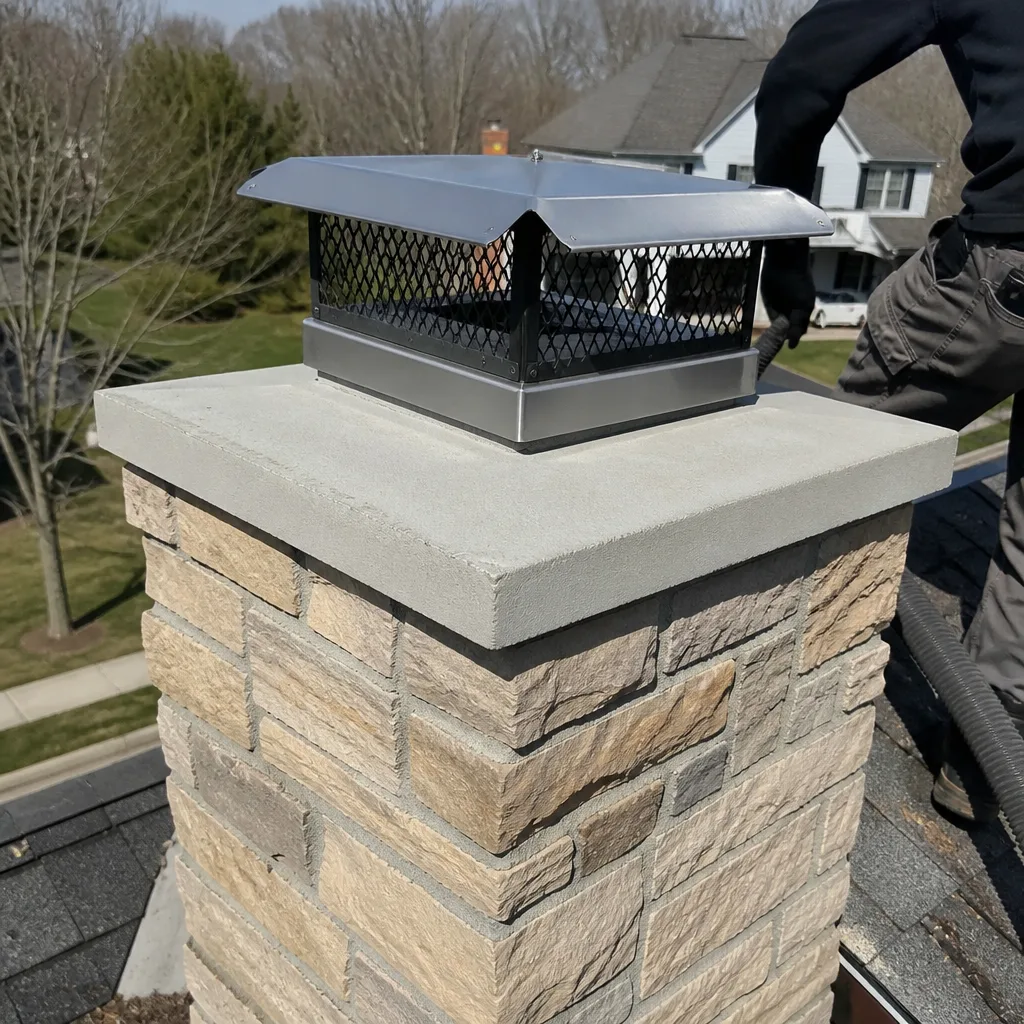
Level 1 sweep and inspection to the NFPA 211 annual standard - flue, crown, cap, and flashing checked and photographed
Chimney sweep logs do not sweep chimneys. They loosen some creosote - which then falls where a brush and vacuum still have to collect it.
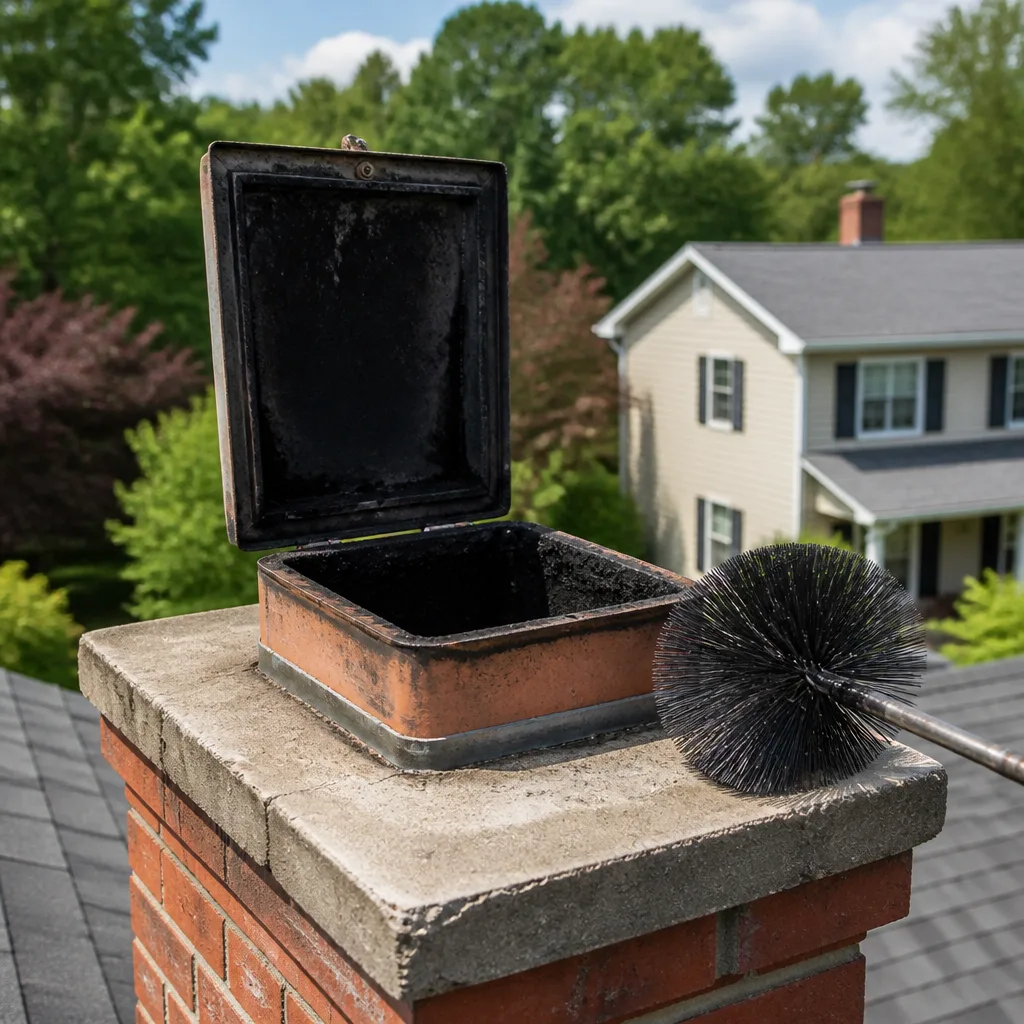
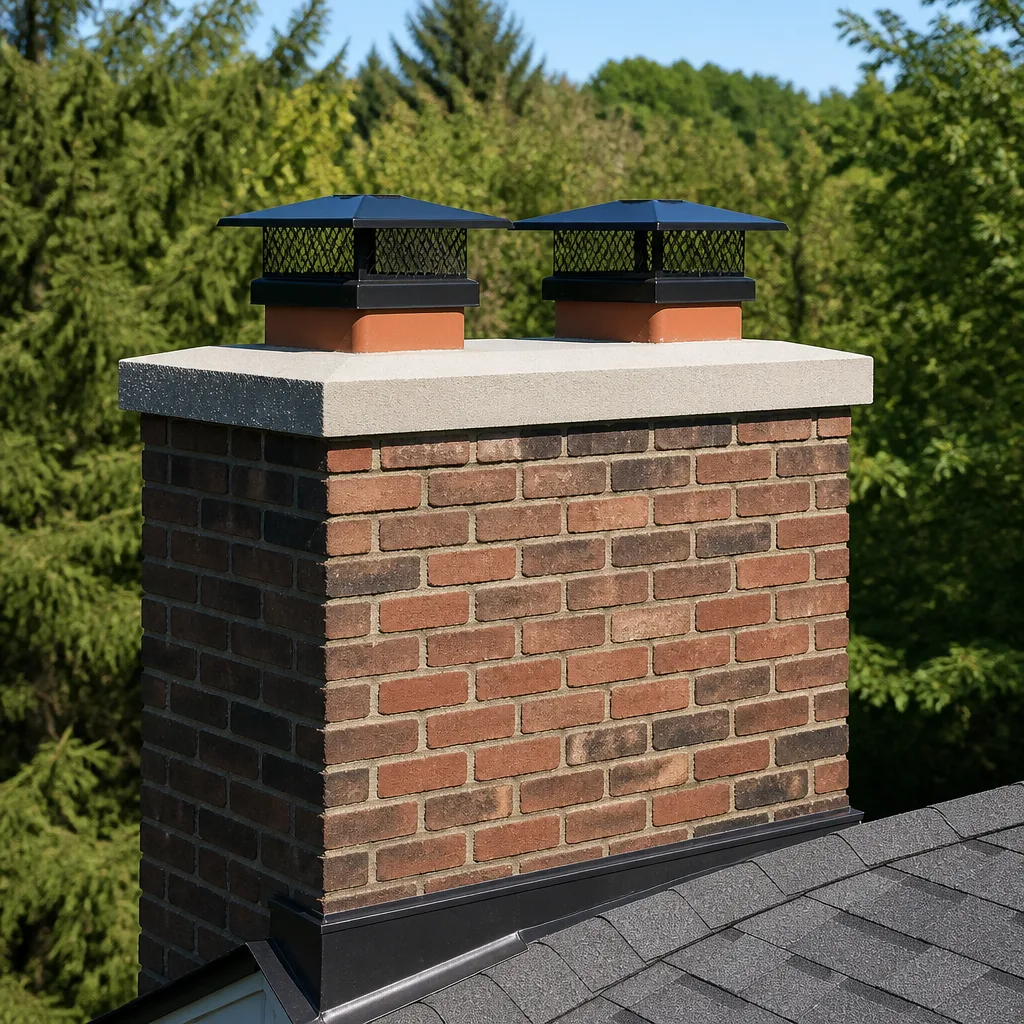
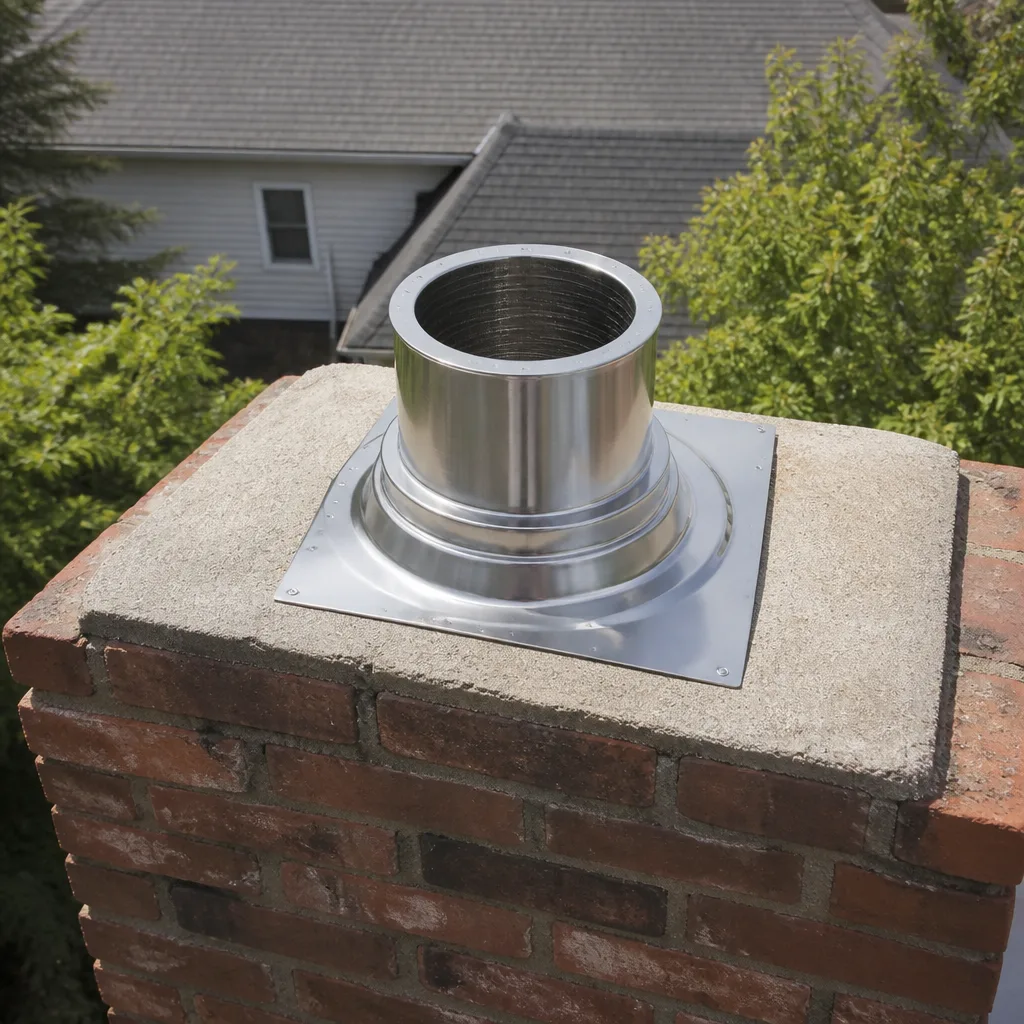
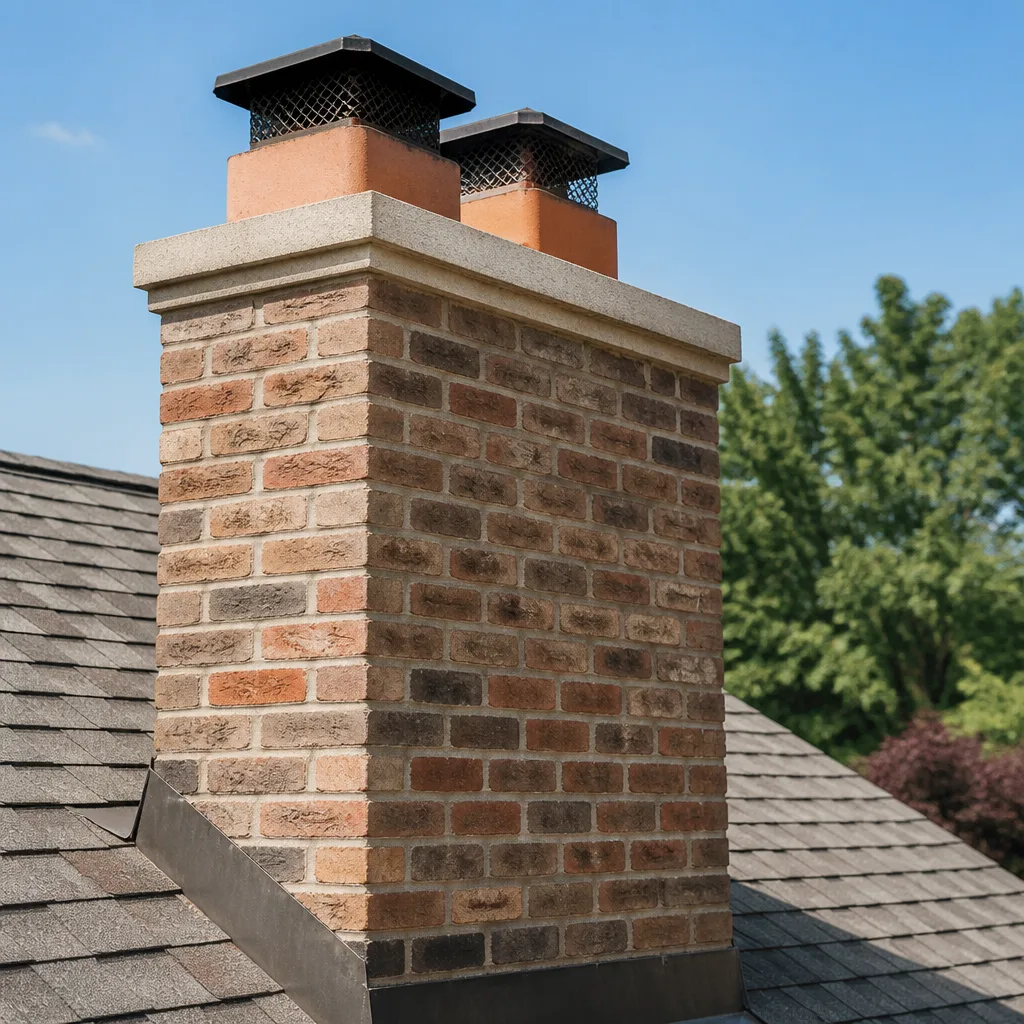
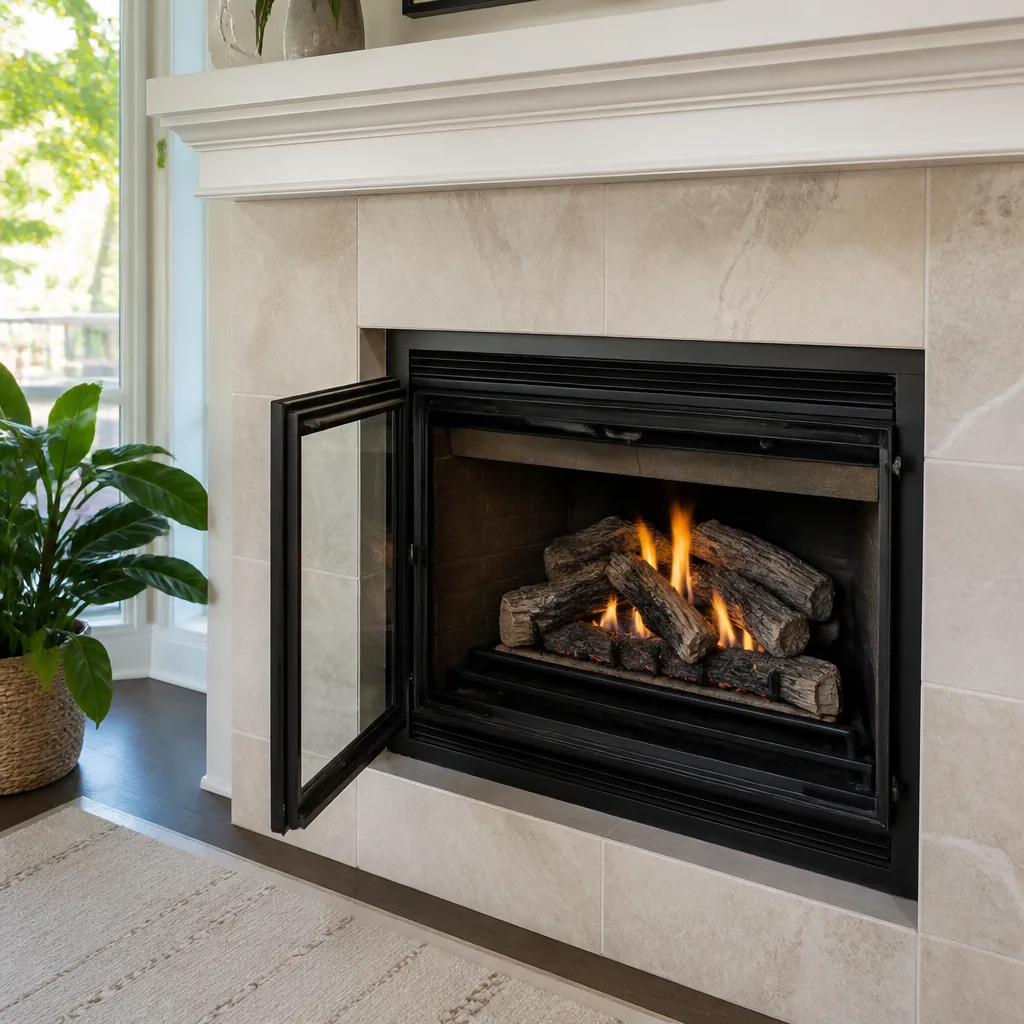
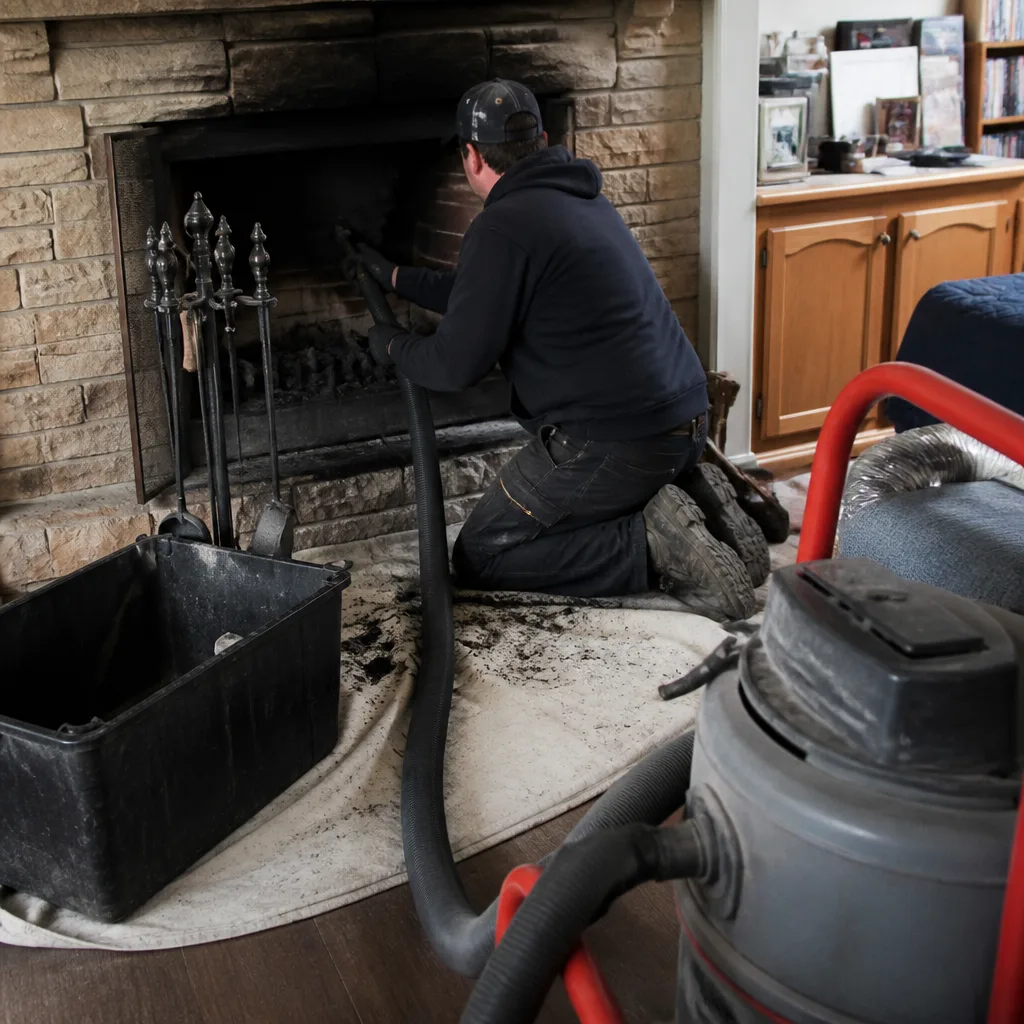 Before
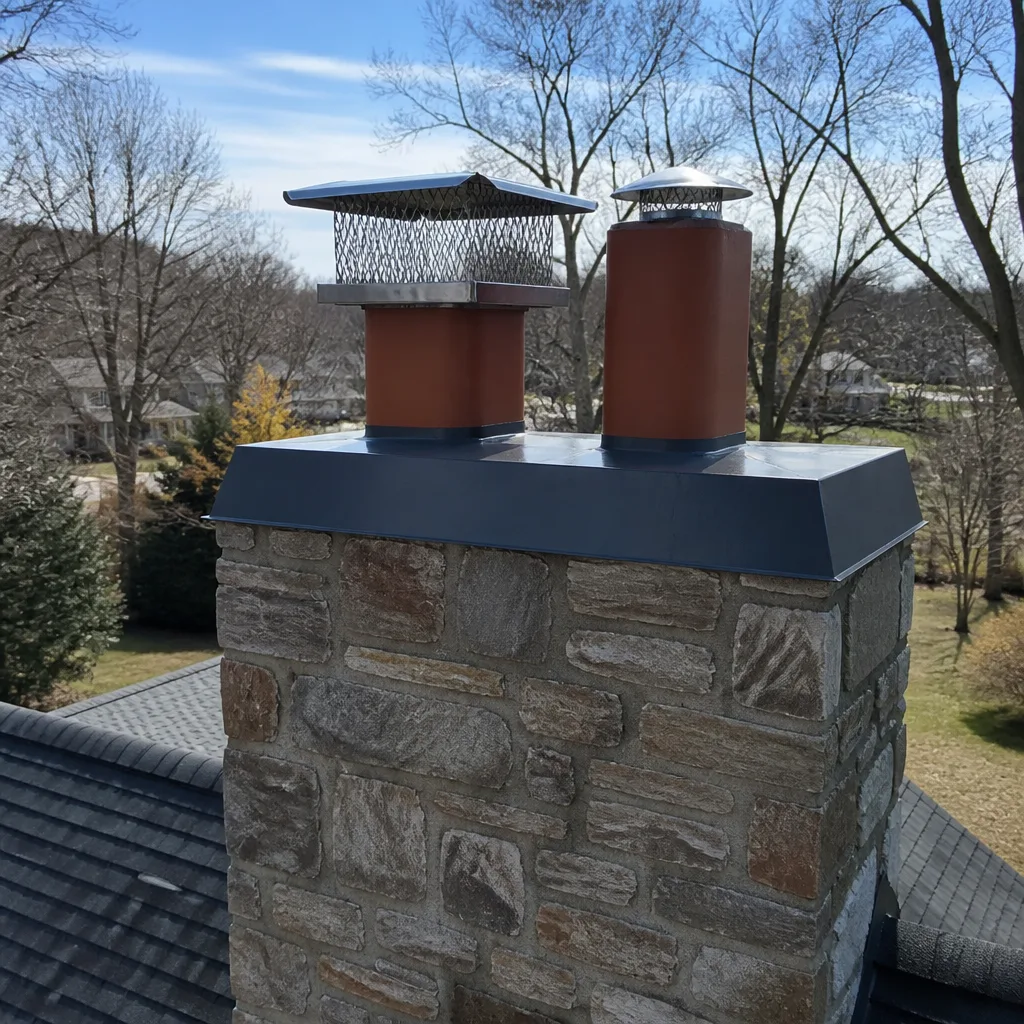 After
After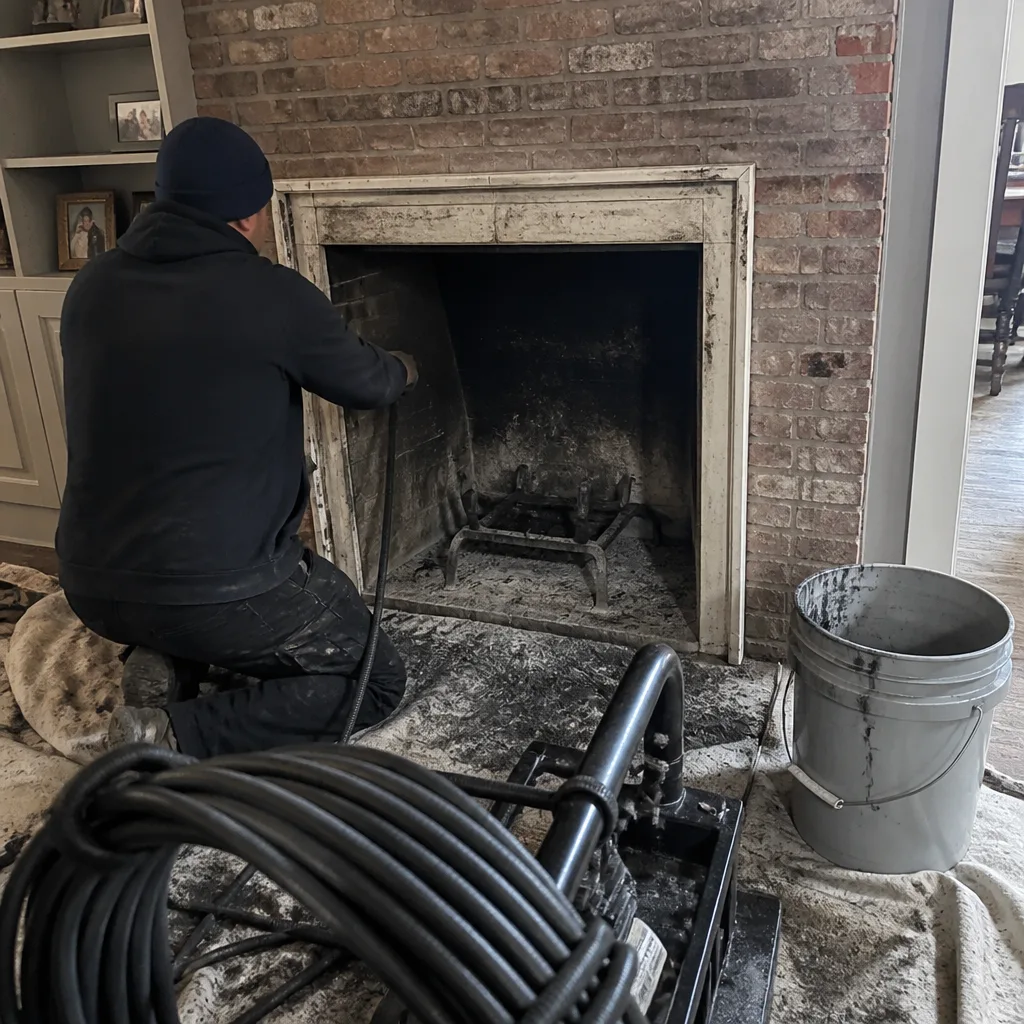 Before
 After
After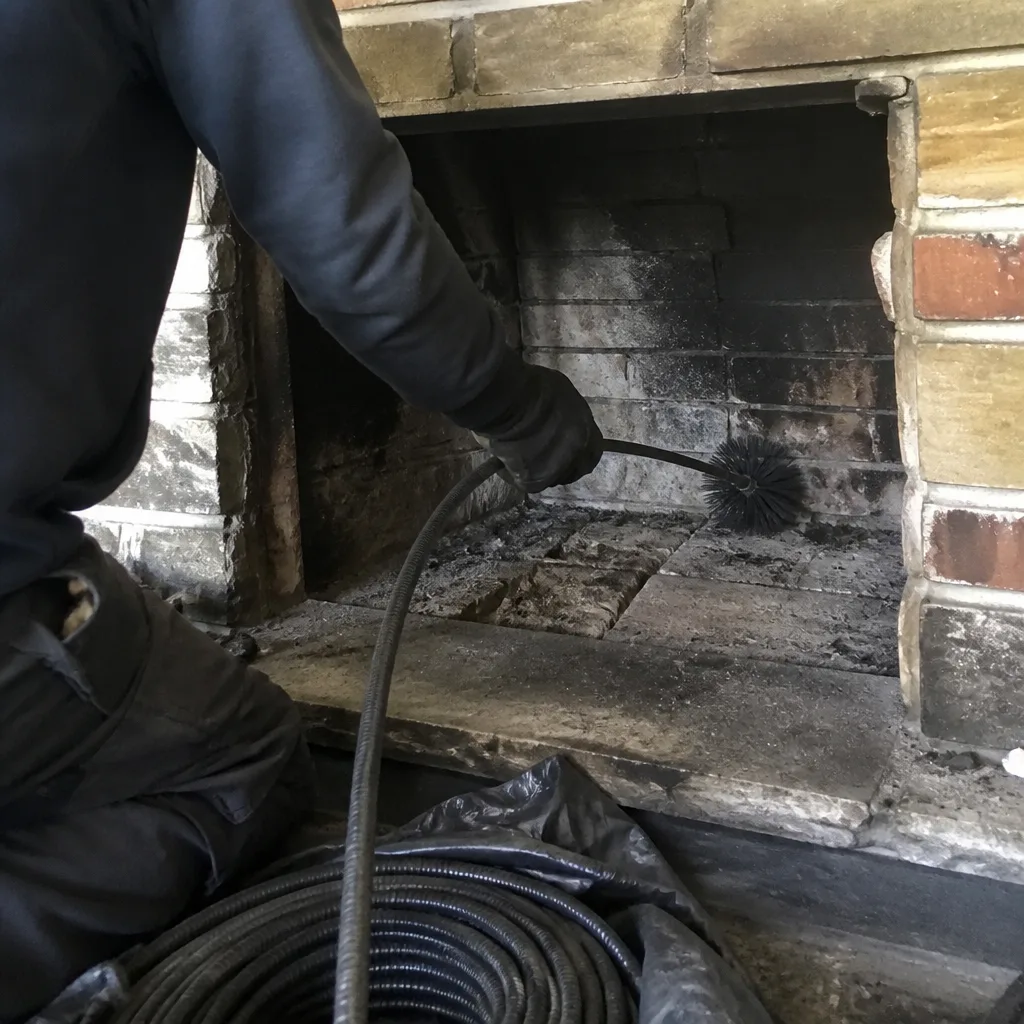 Before
 After
AfterSoot Removal in Downingtown, PA
Soot removal in Downingtown typically costs between $149 and $349, depending on flue height, access conditions, and how much buildup has accumulated since the last cleaning. Most jobs are completed in a single visit, and every one starts with a written price before anyone picks up a brush. If you want a straight answer before booking, call (484) 558-2798 – a live person answers every time, around the clock.
Soot is the soft, powdery carbon deposit that collects on flue walls, smoke chamber surfaces, and firebox brick every time you burn wood or gas. It’s lighter than creosote and easier to remove, but that doesn’t mean it’s harmless. A thick enough layer reduces draft, holds moisture against the liner, and – when disturbed without proper containment – sends fine particulate into your living space. At Level Two Chimney Downingtown, soot removal is folded into our broader Chimney Cleaning & Sweep in Downingtown service, which means it isn’t treated as a standalone scrubbing job. It’s done alongside a camera-scan inspection so you know exactly what you’re looking at when the work is finished.
We’ve been doing this since 2009. Across more than 38,000 chimney inspections and cleanings, the pattern we see most often in Downingtown’s older housing stock – particularly the colonials and ranchers in Brandywine Ridge, the Marsh Creek corridor, and the established neighborhoods near Boot Road – is soot that’s been accumulating quietly for two or three seasons without anyone noticing. By the time there’s a smell or a visible stain on the damper, there’s usually more inside the flue than the homeowner expected. Catching it early is straightforward. Cleaning it after it’s mixed with moisture and begun bonding to the liner is more involved.
Corrine Halstead leads our Downingtown operation, and the standard she set for documentation here was the same one adopted by the Haven Standard in 2009: camera down the flue on every visit, written price before work starts, photo record when it’s done. That’s not marketing language. It’s the actual process, named and numbered, and it applies to every soot removal call we take in Downingtown.
When You Need Soot Removal
- A smoky smell that returns even without a fire burning. Soot is porous and holds odor. In Downingtown’s humid summers – particularly in homes near the Brandywine Creek floodplain where indoor humidity runs high – soot in the flue absorbs moisture and releases that burned smell back into the house through the damper. If your living room smells faintly of campfire in July, that’s a strong indicator of soot buildup rather than a structural problem.
- Visible black staining above the damper or on the smoke shelf. The smoke shelf sits just above the damper and catches falling debris. When it’s coated in soot, smoke doesn’t draft cleanly, and fires often burn lazy or blow back into the room. This is one of the first things our camera picks up on a Level 2 inspection.
- Gray or black residue on the firebox floor or around the fireplace opening. Some soot fallback on the firebox floor is normal. A consistent accumulation after every fire, or residue migrating onto the hearth or surrounding brick, points to poor draft – often because the flue is restricted by soot at a bend or near the smoke chamber throat.
- It’s been more than a year since the last cleaning and you burned regularly last season. NFPA 211 recommends annual inspection and cleaning for any chimney in active use. In Chester County, where wood-burning fireplaces see heavy use from October through March, one full season of use can deposit enough soot to justify a cleaning even without visible symptoms.
- You’re buying or selling a home in Downingtown. Home inspectors flag fireplace conditions, but they don’t put a camera in the flue. Before listing or before closing, a documented soot removal and Level 2 inspection gives both parties a real record – not a flashlight opinion.
- Recent renovation work near the fireplace. Drywall dust, construction debris, and disrupted airflow from HVAC changes can all affect how soot distributes inside a flue. If you’ve had work done in the room or adjacent spaces, it’s worth confirming the flue hasn’t accumulated anything unusual before the next fire season.
Our Soot Removal Process
- Written price and scope before work begins. Before a brush goes into the flue, you get a written price, written scope of work, and written warranty. This is Haven Standard Clause 1 – H.A.V.E.N. stands for “Have it in writing” as the first principle – and it’s non-negotiable on every job in Downingtown. You know what you’re paying and what we’re doing before anyone starts.
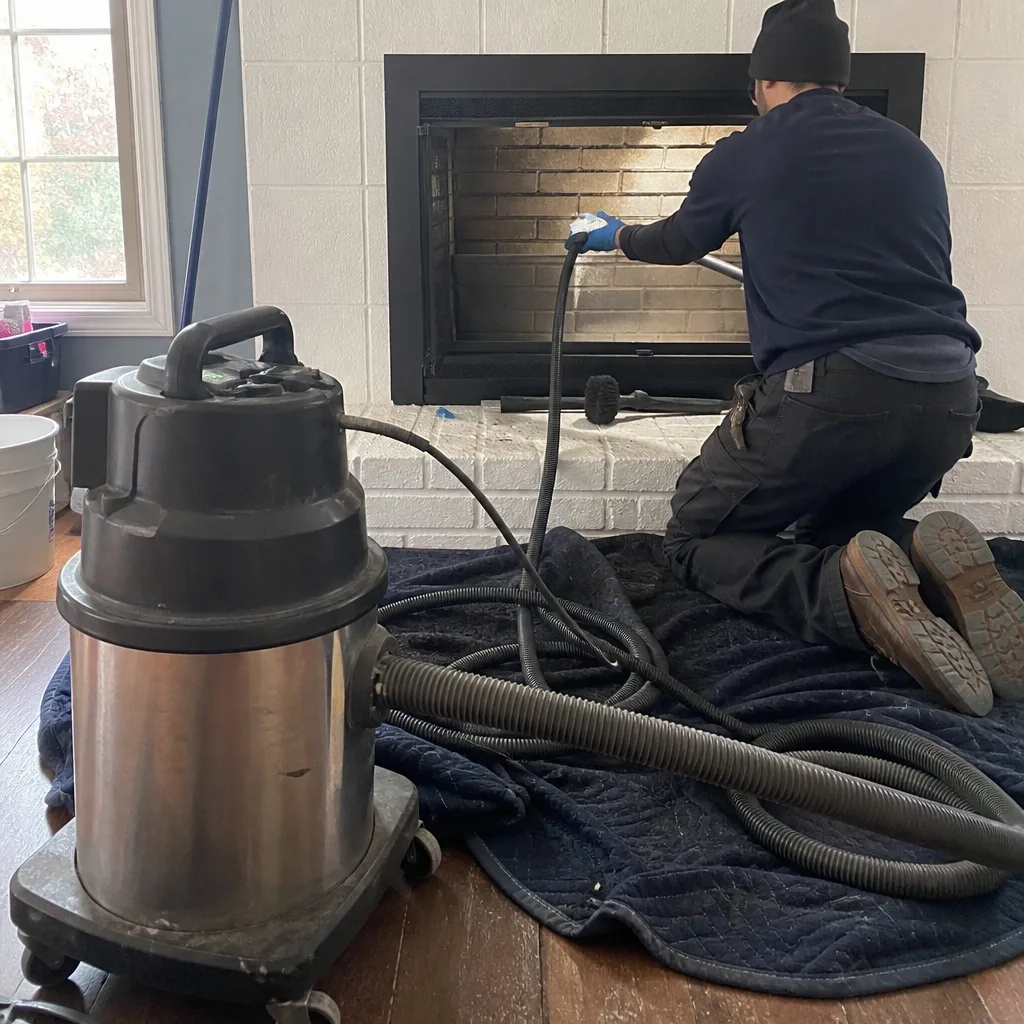
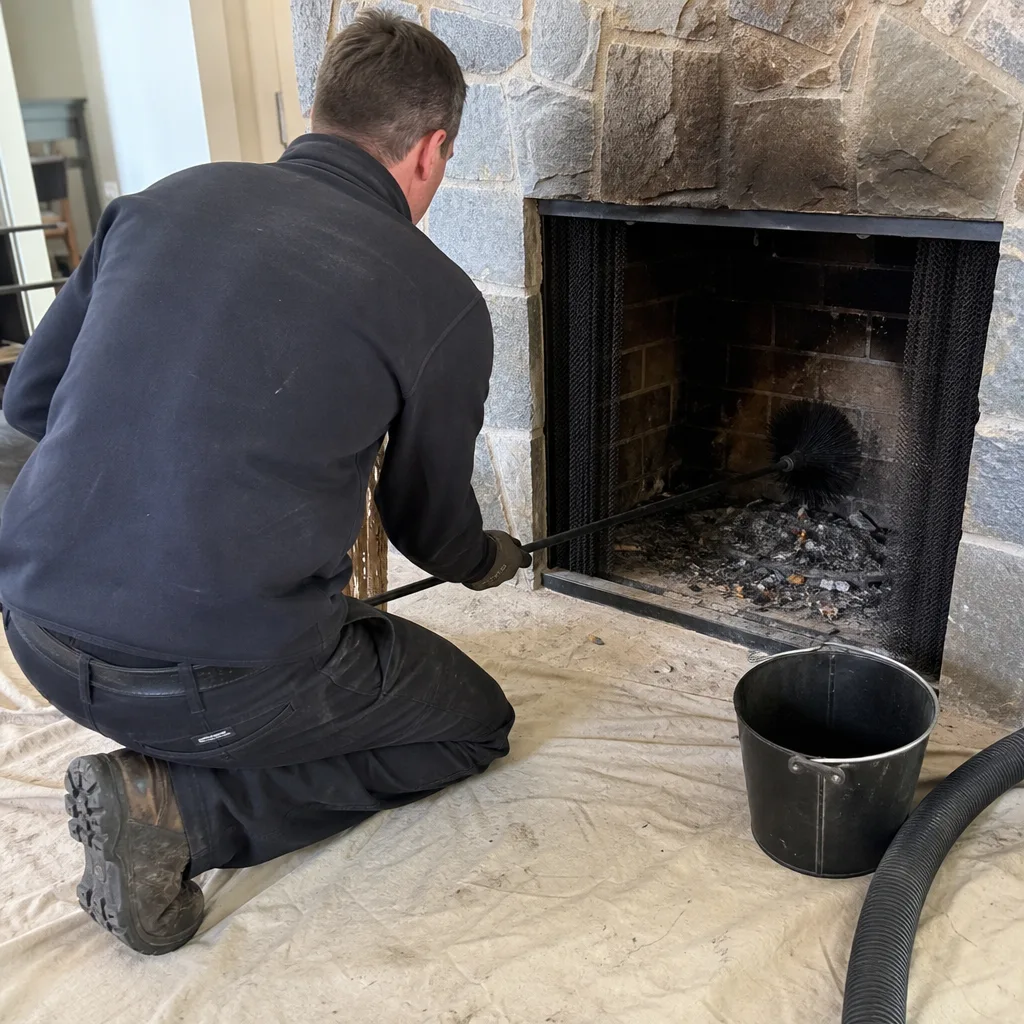
- Setup and containment. Our technician – uniformed, background-checked, and assigned by name before arrival – lays drop cloths over the hearth, seals the firebox opening with a containment system, and connects a commercial-grade vacuum with HEPA filtration to the setup. This is how we keep fine soot particulate out of your living space. Soot is light enough to travel, and skipping this step means it ends up on furniture and fabrics. We don’t skip it.
- NFPA 211 Level 2 camera-scan inspection before cleaning. We run a camera down the flue before we clean, not after. This matters because the pre-cleaning scan shows the liner condition, any cracks or gaps at flue tile joints, the state of the smoke chamber, and the actual distribution of soot. It’s the inspection standard the Haven Standard has documented since 2009, and it’s Clause 4 of that standard. You walk away with the photo record regardless of what we find.
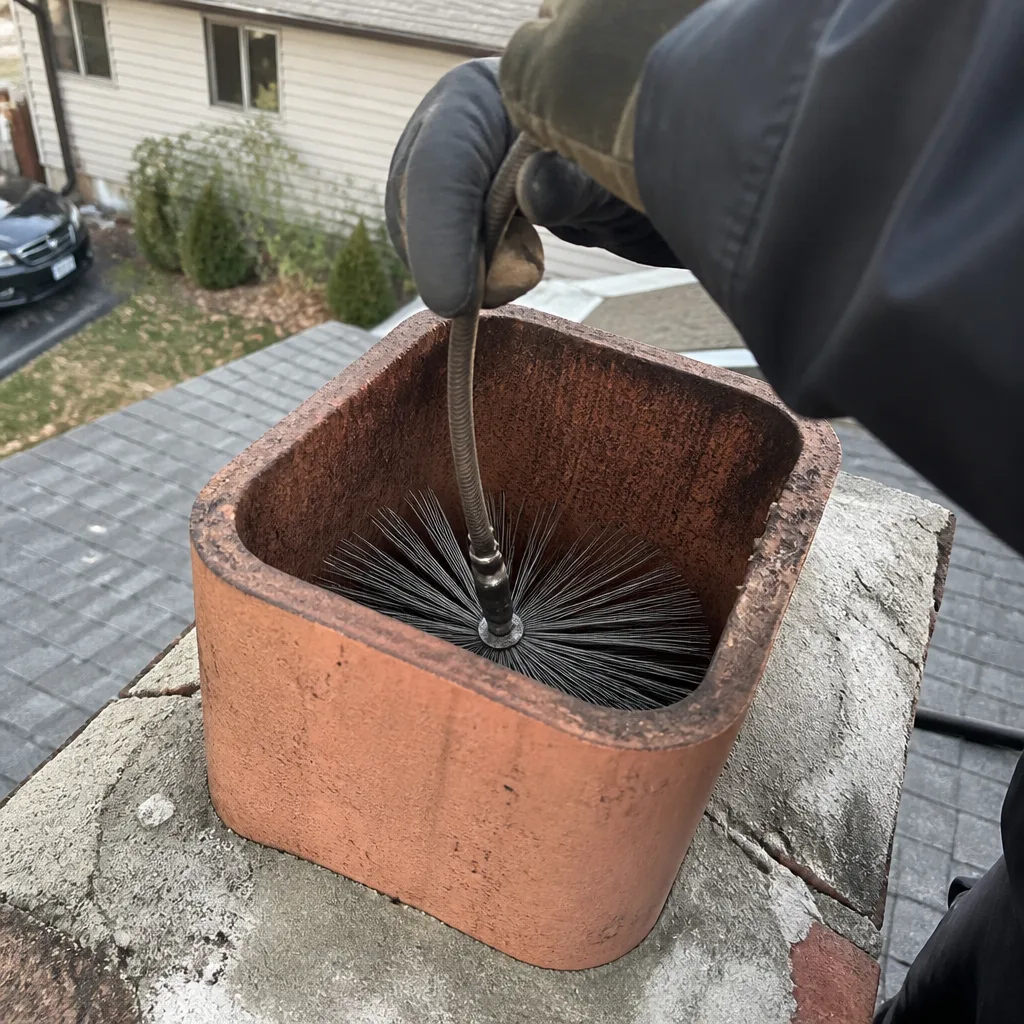
- Rotary brush cleaning of the flue liner and smoke chamber. Depending on flue height and diameter – most Downingtown homes have either 8×8 or 8×13 clay tile liners, though we occasionally see older round tile in pre-1960 construction – we use the appropriate brush diameter and rod length to work from the firebox up or from the crown down. Soot clears differently from creosote: it releases quickly with proper brush contact, but the smoke chamber and smoke shelf require hand cleaning, not just rod work. We clean both.
- Firebox and damper cleaning. The firebox walls, firebox floor, and damper plate are cleaned and inspected. We check the damper for warping or corrosion – a common issue in Downingtown homes where the chimney faces northwest and takes direct weather – and note any condition that affects operation in the written report.
- Documented photo record and written completion report. When the job is done, you receive photos of the flue, smoke chamber, and firebox conditions – pre-clean and post-clean where the camera captures the change. This is your documentation for insurance purposes, future real estate disclosures, and your own records. It’s not an optional add-on. Under Haven Standard Clause 4, it’s included on every visit.
 Before
 After
AfterSoot Removal Pricing in Downingtown
For details on current rates, see our guide on How Much Does Chimney Cleaning & Sweep Cost? (2026 Price Guide) - Downingtown, PA; most single-flue fireplaces in standard residential construction fall between $149 and $349. The range reflects three main variables: flue height, access conditions, and the volume of buildup present. Here’s how those factors typically break out:
| Scenario | Typical Price Range |
|---|---|
| Single-flue fireplace, standard height (up to 20 ft), light soot accumulation | $149 – $199 |
| Single-flue fireplace, moderate soot accumulation with smoke shelf cleaning | $199 – $279 |
| Taller flue (20-30 ft), heavy soot, or restricted access requiring top-down approach | $279 – $349 |
| Second flue (e.g., furnace or stove flue cleaned at same visit) | Add $99 – $149 |
A few things that don’t change the price: the Level 2 camera-scan inspection and the documented photo record are included at every price point. You’re not paying extra for the camera. Every quote is written before work starts, which means there are no surprises when the job wraps up.
If soot removal reveals a secondary condition – a cracked flue tile, a deteriorated smoke chamber, a compromised crown – we write that up separately, explain what it means in plain terms, and give you a written price for the additional work before we touch anything. You decide whether to proceed. We source materials through the Haven buying network, including Copperfield brushes and Olympia Chimney accessories, specifically to keep costs honest rather than marking up proprietary supplies.
We also offer a free second opinion on any written estimate you’ve received from another company. Bring us the written quote – not a verbal price, a written one – and we’ll tell you exactly what it covers and where the numbers land against what we’d charge in Downingtown.
To get your written price, call (484) 558-2798. It costs nothing to ask, and the estimate stays on paper.
FAQs – Soot Removal
Is soot removal the same as a chimney sweep?
Soot removal is one part of our Chimney Cleaning & Sweep services, not a separate service. A chimney sweep covers the flue liner, smoke chamber, smoke shelf, firebox, and damper – soot removal is what happens to the carbon deposits on those surfaces during that process. At Level Two Chimney Downingtown, we don’t offer a stripped-down “soot only” visit, because cleaning without inspecting is how problems get missed. Every cleaning includes the Level 2 camera scan and photo record. Call (484) 558-2798 and we’ll walk you through exactly what a cleaning appointment covers before you book.
How much does soot removal cost in Downingtown?
Soot removal in Downingtown typically costs between $149 and $349 for a single-flue fireplace, depending on flue height, the volume of soot present, and access conditions. That price includes the Level 2 camera-scan inspection and documented photo record – those aren’t add-ons here. You get the written price before any work starts. Call (484) 558-2798 for a straight answer on your specific chimney – no estimate form, no callback queue.
Can soot damage the flue liner over time?
Yes. Soot holds moisture against the liner surface, and in Downingtown’s climate – cold winters followed by wet springs – that moisture cycle accelerates deterioration of clay tile liners. A standard clay flue tile is rated for years of service, but sustained moisture contact from heavy soot accelerates spalling, which is when the tile face begins to flake and fracture. A cracked liner is a fire-containment problem, not just an efficiency problem. The pre-clean camera scan we do on every visit is specifically designed to catch that condition before it becomes a repair job. If we see it, we tell you in writing what it is and what it costs to address.
How often does soot need to be removed from a chimney in Downingtown?
For a wood-burning fireplace used regularly from October through March – which covers most of the homes we service in Downingtown – an Annual Sweep is the right interval. NFPA 211 recommends annual inspection and cleaning for any chimney in active use, and in Chester County’s climate, one full heating season is enough to justify it. Gas fireplaces accumulate soot more slowly but still warrant an annual inspection because soot isn’t the only thing we’re checking for. If your last cleaning was more than 18 months ago and you burned at least a cord of wood last winter, it’s time. Call (484) 558-2798 to schedule.
What’s the difference between soot and creosote?
Soot is the soft, powdery carbon deposit left by incomplete combustion – it brushes off relatively easily and is the primary target of a standard chimney cleaning. Creosote is a related but chemically distinct byproduct that forms when smoke cools and condenses on flue walls. It progresses through three stages: Stage 1 is dusty and removable, Stage 2 is tar-like and requires heavier tools, and Stage 3 – sometimes called glazed creosote – is the hard, shiny deposit that standard brushes can’t touch and that poses the most serious fire risk. The camera-scan inspection we run before cleaning tells us which we’re dealing with. If the answer is Class III creosote, we tell you that in plain terms and explain what the removal process actually involves before quoting the work.
Why Level Two Chimney Downingtown
The name isn’t branding. It’s the inspection standard: NFPA 211 Level 2, camera down the flue, written price before work starts, documented record when it’s done. That’s what a Level 2 inspection means in the trade, and it’s what we’ve treated as the default since 2009 – not a premium tier, not an upsell.
In Downingtown specifically, we’ve seen what happens when soot accumulates unchecked through a couple of heavy burn seasons in the older homes around Brandywine Village and the newer builds closer to the Route 30 bypass where chimneys are taller and the crowns take more weather exposure. The problems aren’t dramatic until they are – a liner crack, a damper seized with corrosion, a smoke shelf so packed with debris it backs the first fire of November into the living room. None of those are emergencies if you catch them at the cleaning stage. Most of them are straightforward if the camera finds them before the repair gets bigger.
For a broader look at everything our cleaning appointments cover, the home page has the full service overview and Haven Standard documentation. And if you want to understand the full scope of what we do at a cleaning visit, our Chimney Cleaning & Sweep in Downingtown page covers each element in detail.
The 365-Day Done Right Promise applies to every soot removal job we do in Downingtown. If it’s not done right, we make it right – that’s not a general sentiment, it’s a written commitment stamped on every job under the Haven Standard. Corrine Halstead has run this operation on that basis since 2009, and it hasn’t changed.
Call (484) 558-2798 to find Chimney Cleaning & Sweep Near Me in Downingtown, PA and get a written price for your chimney. A live person answers every time – no voicemail, no web form, no callback queue. Tell us the house, the flue type if you know it, and when you last had the chimney cleaned. We’ll give you a straight answer and a written price before anyone shows up at your door.
Written by Corrine Halstead, Owner at Level Two Chimney Downingtown, serving Downingtown.